
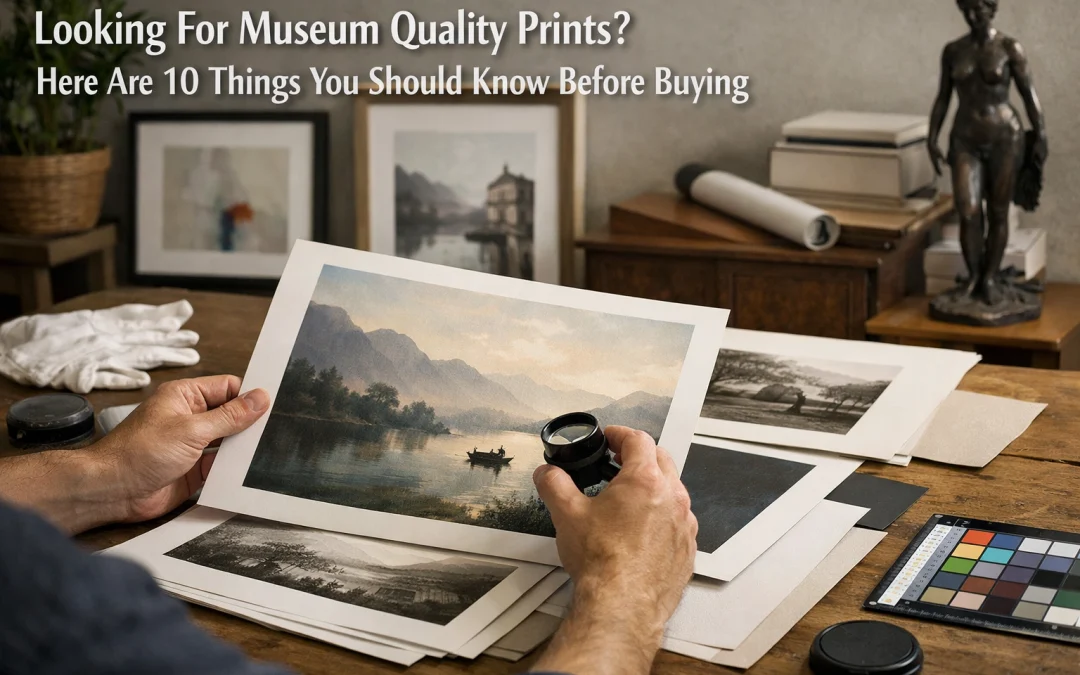
As you begin your journey into the world of high-end art collecting, you quickly realize that not all prints are created equal. Many people mistake a high-resolution photo for a gallery-ready piece, but the difference between a standard poster and museum quality prints is as vast as the Atlantic. Whether you are looking to elevate your home decor or building a portfolio of limited edition photography prints, understanding the technical nuances ensures your investment retains its value and beauty for generations.
At Edin Chavez Photography, we believe that art is an experience that should last a lifetime. When you buy a piece from our Fine Art collection, you aren't just buying paper and ink; you are acquiring a masterwork crafted with the highest industry standards. To help you navigate this complex market, we have compiled the ten essential things you must know before making your next purchase.
1. Insist on Pigment-Based Inks
The most critical question you can ask an artist or a gallery is whether they use pigment-based inks. While standard home or commercial printers often use dye-based inks, these are prone to fading within just a few years.
Pigment inks consist of tiny particles of color suspended in a liquid. These particles are naturally resistant to UV light and environmental factors. When you invest in archival prints, you are ensuring that the colors you see today: the vibrant teals of a Miami coastline or the deep oranges of a desert sunset: remain exactly the same fifty years from now. At Edin Studios, we never compromise on this, as pigment-based inks are the bedrock of museum-grade longevity.
2. Verify Archival Paper Standards
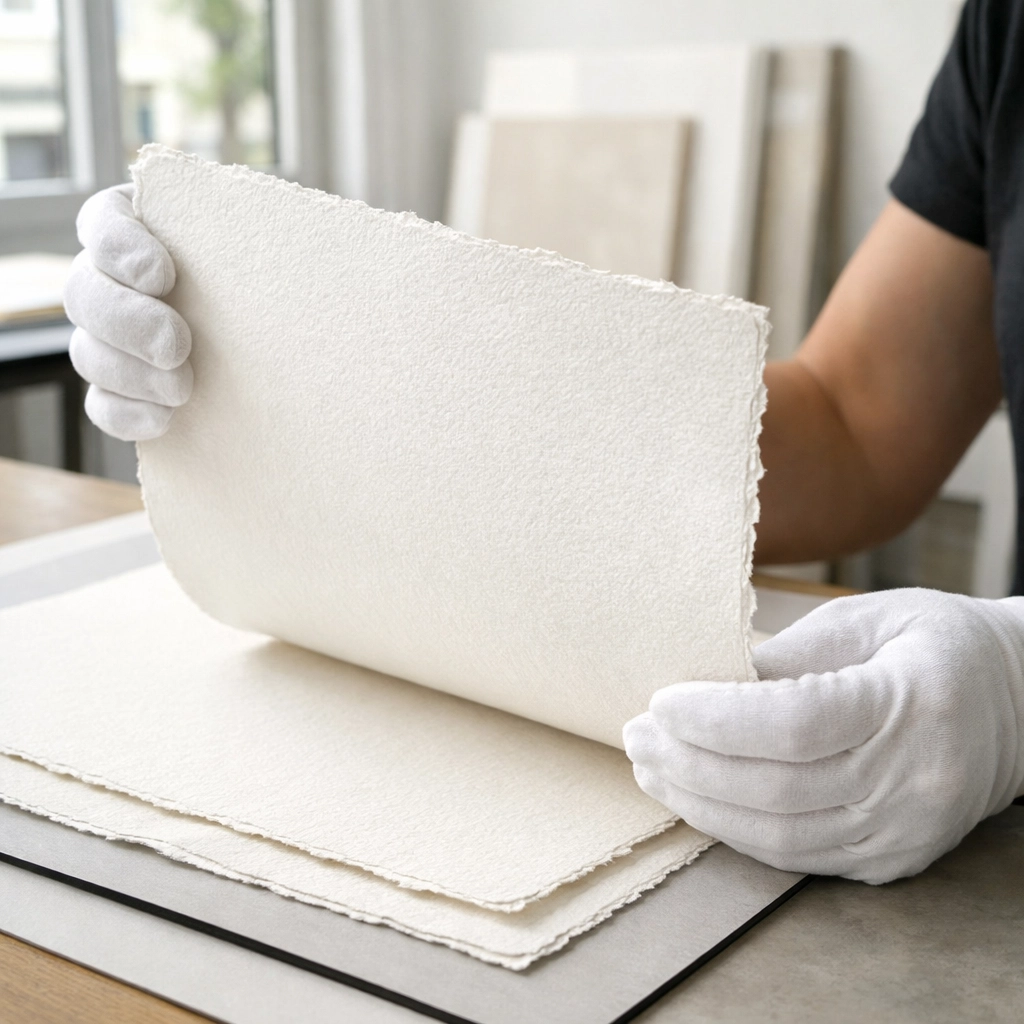
Just as the ink matters, the "canvas" it sits on is equally important. To be considered museum quality, the paper must be acid-free and lignin-free. Lignin is a natural component of wood pulp that, if left in the paper, causes it to yellow and become brittle over time (think of an old newspaper).
You should look for papers made from 100% cotton rag or high-grade alpha cellulose. These materials are chemically stable and meet the rigorous archival standards required by museums and curators worldwide. Brands like Hahnemühle and Canson Infinity are the gold standards we use to ensure your art stands the test of time.
3. The Power of Giclée Printing
You will often see the term "Giclée" used in the fine art world. Derived from the French word "gicler" (to spray), this method is the gold standard for high-end reproduction. A Giclée printer uses a sophisticated inkjet process capable of spraying millions of microscopic droplets of pigment ink with incredible precision.
This technique allows for a much wider color gamut and smoother tonal transitions than traditional offset printing. If you want your limited edition photography prints to have the depth and soul of the original scene, Giclée is the only way to go. It’s how we achieve that signature "glow" in our landscape pieces.
4. Exceptional Color Accuracy
Museum-quality prints must faithfully reproduce the artist's original vision. This requires an incredible level of color management and calibration throughout the entire workflow. It’s not just about making colors "pop"; it’s about accuracy in skin tones, clean whites, and subtle gradations in a morning sky.
When you look at a high-value print, you shouldn't see "banding": those distinct lines where one color abruptly shifts to another. Instead, you should see a seamless transition of light and shadow. For those looking to master their own color work before printing, our Ultimate Lightroom Preset Collection is designed to help you achieve that professional, balanced look.
| Feature | Standard Print | Museum Quality Print |
|---|---|---|
| Ink Type | Dye-based (fades quickly) | Pigment-based (archival) |
| Paper | Wood pulp / Coated paper | Acid-free / 100% Cotton Rag |
| Longevity | 5–10 years | 100+ years |
| Color Depth | Limited range | Wide Gamut (Giclée) |
| Authentication | Often none | Certificate of Authenticity (COA) |
5. Resolution and Sharpness
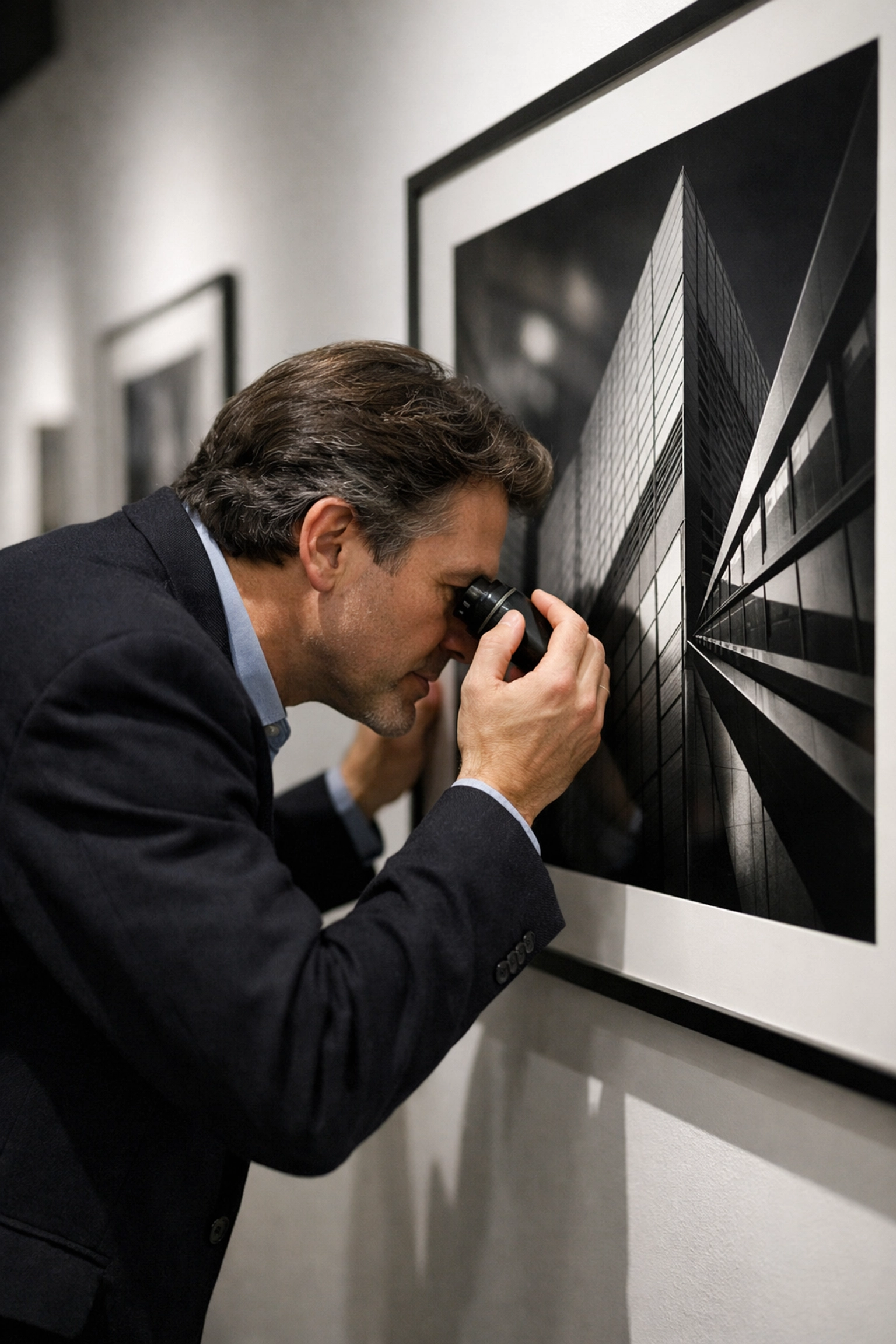
Your art should look just as good from six inches away as it does from across the room. High-quality prints maintain crisp details and sharp edges without any visible pixelation or "dots" from the printing process.
As a collector, you should inspect the fine details. Are the edges of a building sharp? Can you see the texture in a bird's feathers? If the print looks "soft" or blurry, it wasn't captured or printed at a high enough resolution. This is a hallmark of the premium work we offer at Edin Chavez Photography.
6. Paper Weight and Texture
The physical "heft" of the paper tells you a lot about its quality. We measure this in GSM (grams per square meter). While a standard photo might be printed on 170gsm paper, museum-quality fine art papers are typically 300gsm or higher.
The texture also plays a role in how you experience the art. A smooth "Photo Rag" offers a classic look, while a textured "Torchon" paper can add a three-dimensional quality to the image. When you hold a high-value print, it should feel substantial and luxurious, not flimsy like a flyer.
7. Black Density (D-Max)
In the world of fine art, we talk a lot about "D-Max." This refers to the deepest, richest black a printer and paper combination can produce. A high D-Max ensures that your shadows aren't just "dark grey," but deep, soul-stirring blacks that provide contrast and make the other colors sing.
Without proper black density, a photograph can look flat and muddy. Museum-quality prints maintain detail even in the darkest parts of the image, allowing you to see the subtle textures within a shadow.
8. Durability and Longevity
One of the main reasons collectors pay a premium for archival prints is the guarantee of longevity. While a cheap print might start to shift in color after five years, a museum-quality print is engineered to last 100 to 200 years when kept under proper conditions.
This longevity is what makes photography a true heirloom. By choosing archival materials, you are ensuring that your investment remains a valuable asset for your children and grandchildren. This is a core pillar of how we operate at Edin Studios.
9. Limited Editions and Certificates of Authenticity
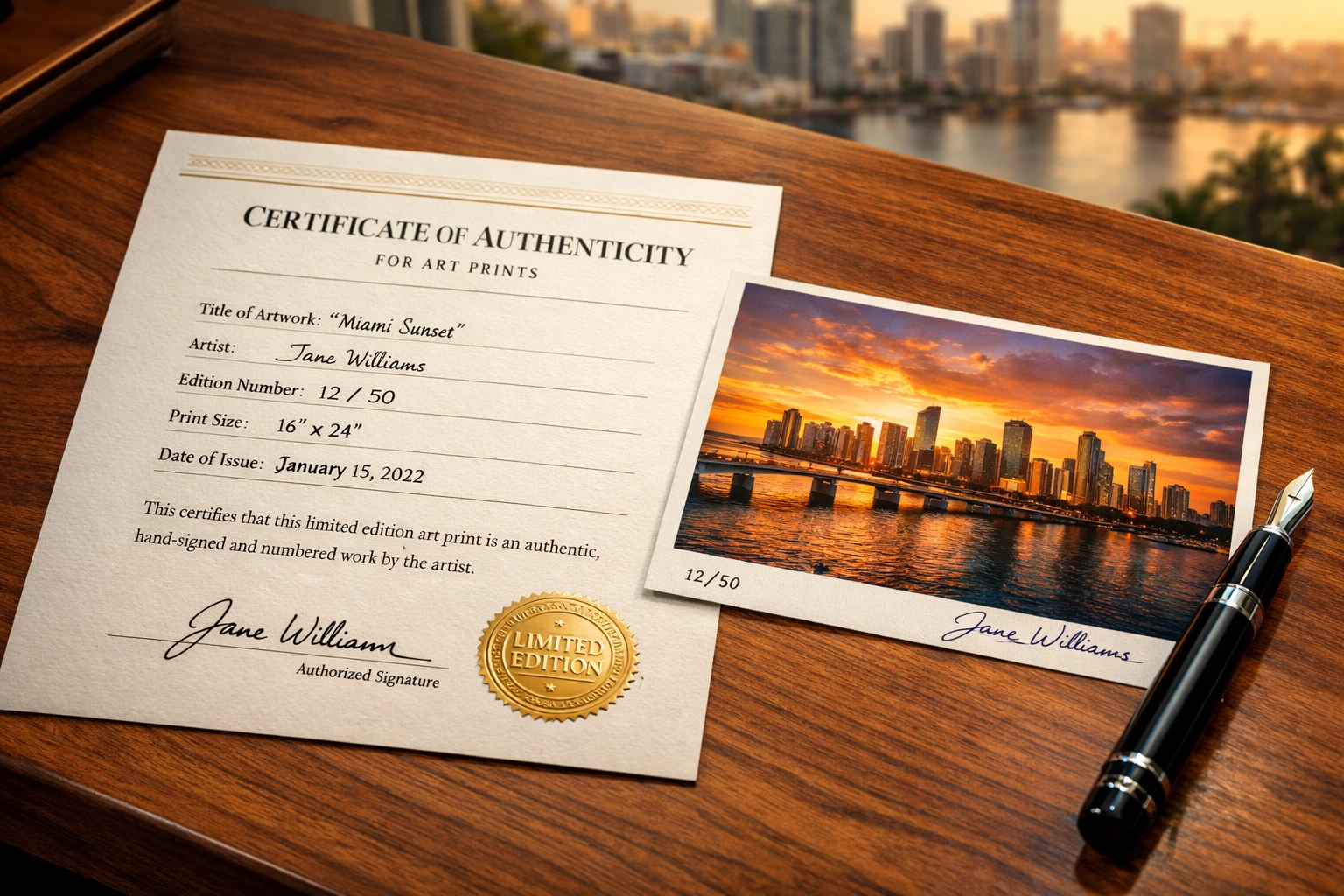
If you are interested in how to sell fine art photography prints in the future, rarity is your best friend. Limited edition prints are only produced in a set number (e.g., 1 of 50), which creates scarcity and increases value over time.
Every high-value purchase must come with a certificate of authenticity for art prints. This document serves as the "title" to your artwork. It should include the artist's signature, the print number, the date, and the specific materials used. Without this, the resale value of your piece could be significantly diminished. At Edin Chavez Fine Art, every limited edition piece is hand-signed and accompanied by a formal COA.
10. Trust Established Brands and Galleries
Finally, your piece's provenance and the reputation of where you buy it matter. Trusted galleries and established artists have a reputation to uphold. They use the best labs, the best papers (like Hahnemühle or Moab), and the most rigorous quality control.
Before you buy, check the artist's history. Do they provide detailed information about their printing process? Do they offer a variety of sizes and mounting options? Working with a reputable name like Edin Chavez ensures you aren't just getting a "picture," but a curated piece of fine art photography.
Why Quality Matters for Your Collection
Choosing museum-quality prints is about more than just aesthetics; it’s about respecting the medium and protecting your financial investment. When you see a piece that moves you, you want that emotion to be preserved exactly as it is for the rest of your life.
By insisting on pigment inks, archival papers, and proper certification, you are elevating your collection to the level of a gallery or museum. If you're looking to start your collection today, browse our latest limited edition releases and see the difference that true quality makes.
With these considerations in mind, you are now equipped to navigate the fine art market with confidence. Whether you are a first-time buyer or a seasoned curator, focusing on these ten pillars will ensure that every piece you hang on your wall is a masterpiece of both art and technology. Hence, your journey into collecting becomes not just a hobby, but a legacy.


