
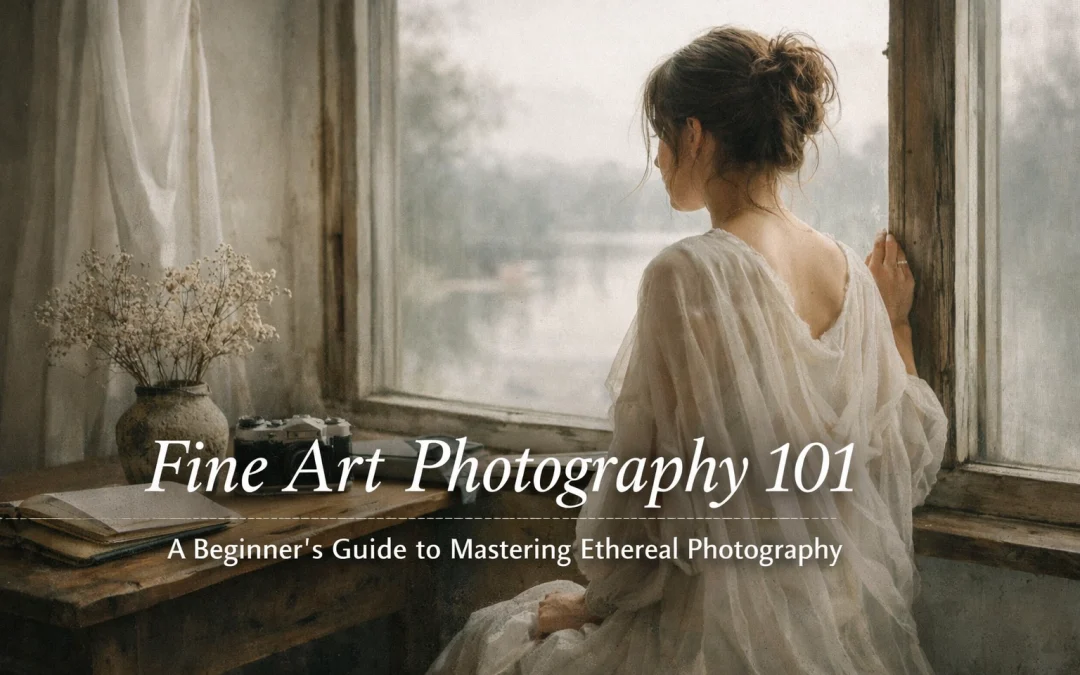
Just as a painter faces a blank canvas with a specific vision, your journey into fine art photography begins long before you press the shutter button. You aren't just documenting a scene; you are creating an emotional narrative. At Edin Chavez Photography, we believe that mastering this craft requires a blend of technical precision and a willingness to break the traditional rules of "correct" exposure to find something more profound.
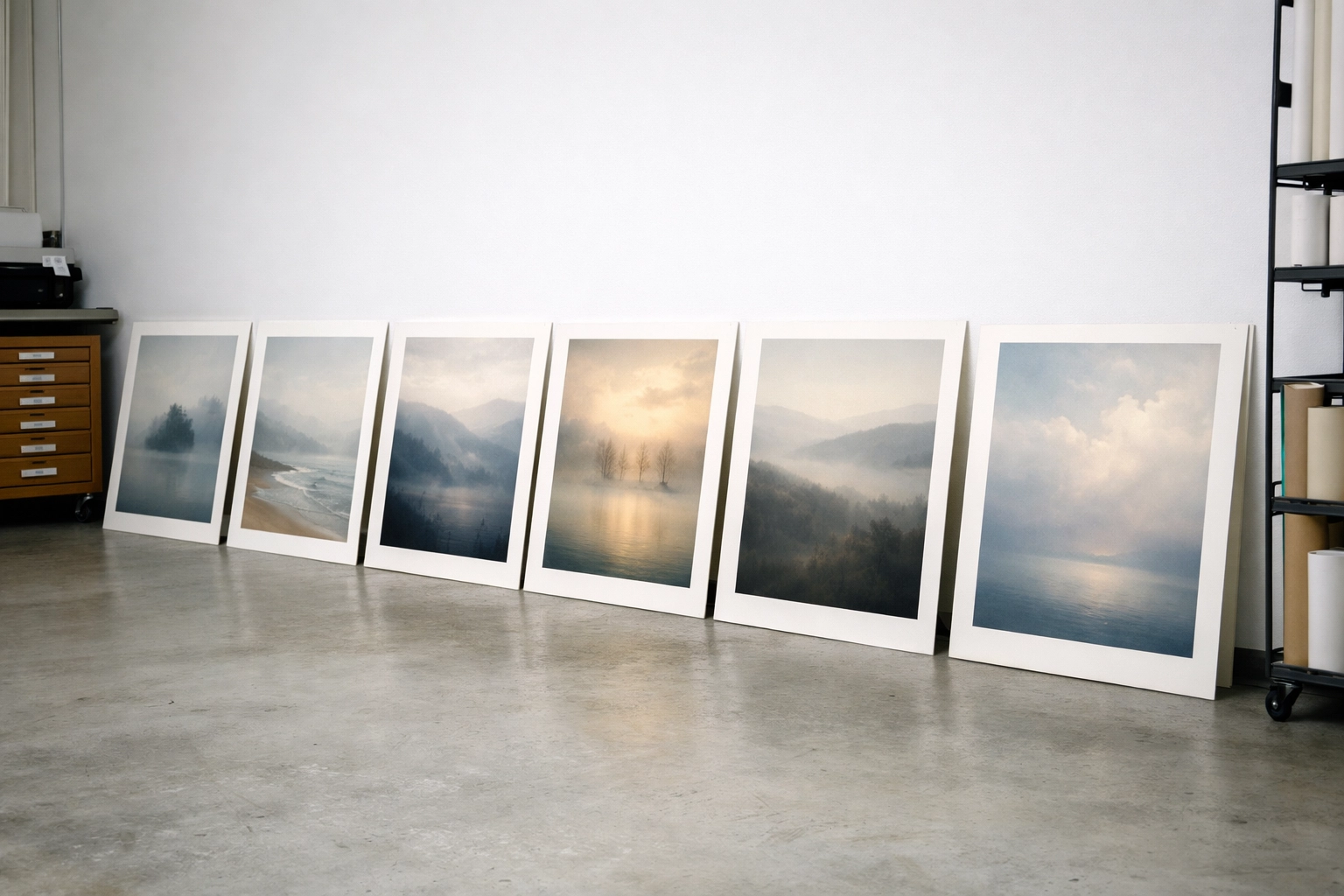
If you have ever looked at a photograph and felt like you were stepping into a dream, you have experienced ethereal photography. It is a style characterized by soft light, muted colors, and a sense of weightlessness. To achieve this, you must transition from being a photographer who takes pictures to an artist who makes them. Your perspective is your most valuable tool, and this guide provides the roadmap to elevating your work to a gallery-ready standard.
Defining Your Artistic Vision
Before you worry about your camera settings, you must define your conceptual framework. Fine art photography is distinguished from snapshots by its intent. You are communicating a message, an emotion, or a concept. Ask yourself: what story are you trying to tell?
When you browse the collections at Edin Fine Art, you will notice that every piece has a cohesive "soul." This consistency is what separates a hobbyist from a professional. Your vision propels the craft. You might find inspiration in the way light hits a building in New York or the mist over a coastal sunrise. The key is to start with a "why" before you decide on the "how."
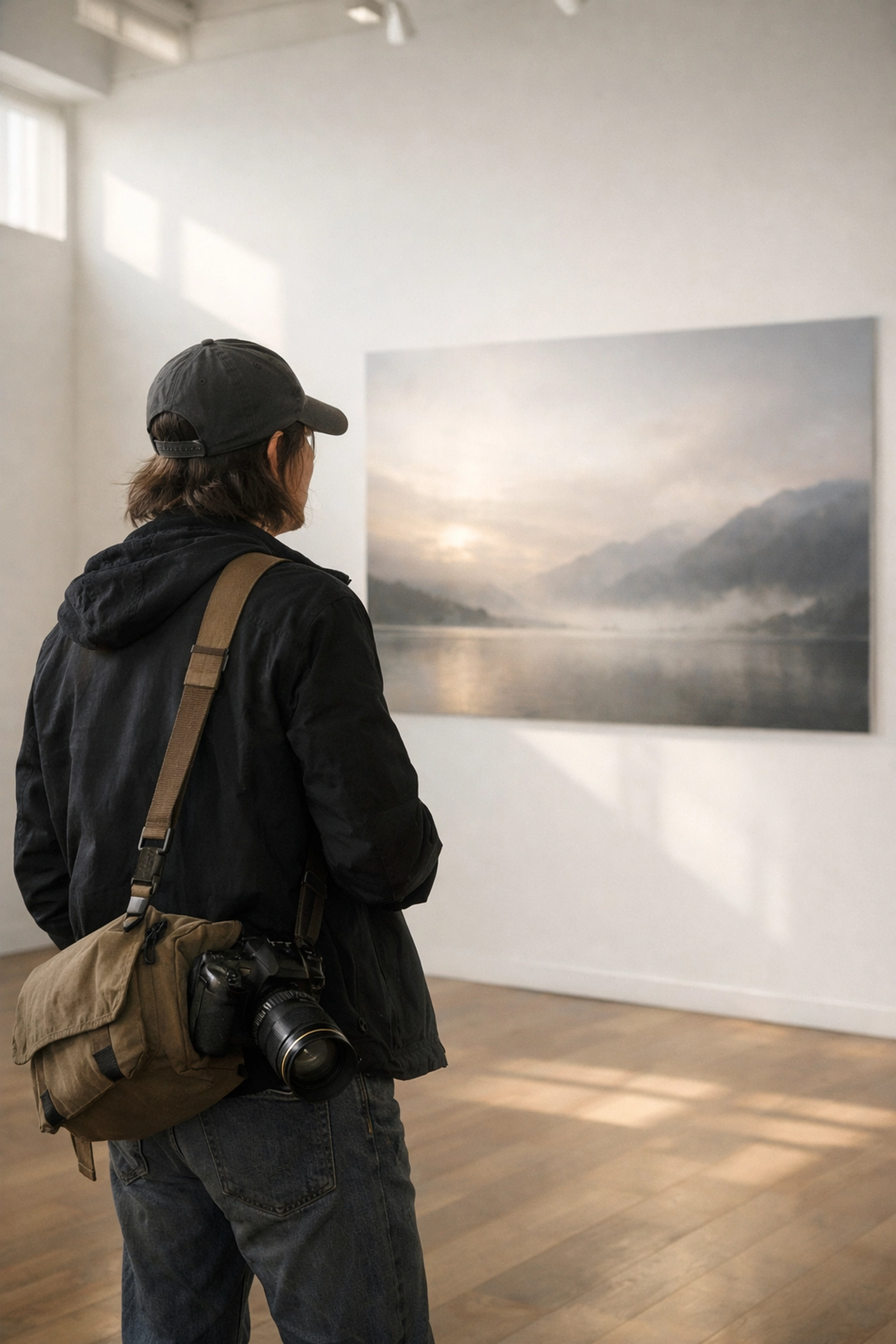
Technical Foundations for Ethereal Photography
To capture those airy, otherworldly images, you need to master your manual settings. Ethereal photography often relies on "high-key" lighting: where the image is bright and contains few dark shadows: and a shallow depth of field.
1. Mastering Aperture for Depth
To get that "glow," you need a wide aperture. Using an f-stop like f/1.4 or f/2.8 allows more light into your sensor and creates a creamy, blurred background (bokeh). This separation between your subject and the background is essential for making your images feel like they are floating in space.
2. Shutter Speed and Motion Blur
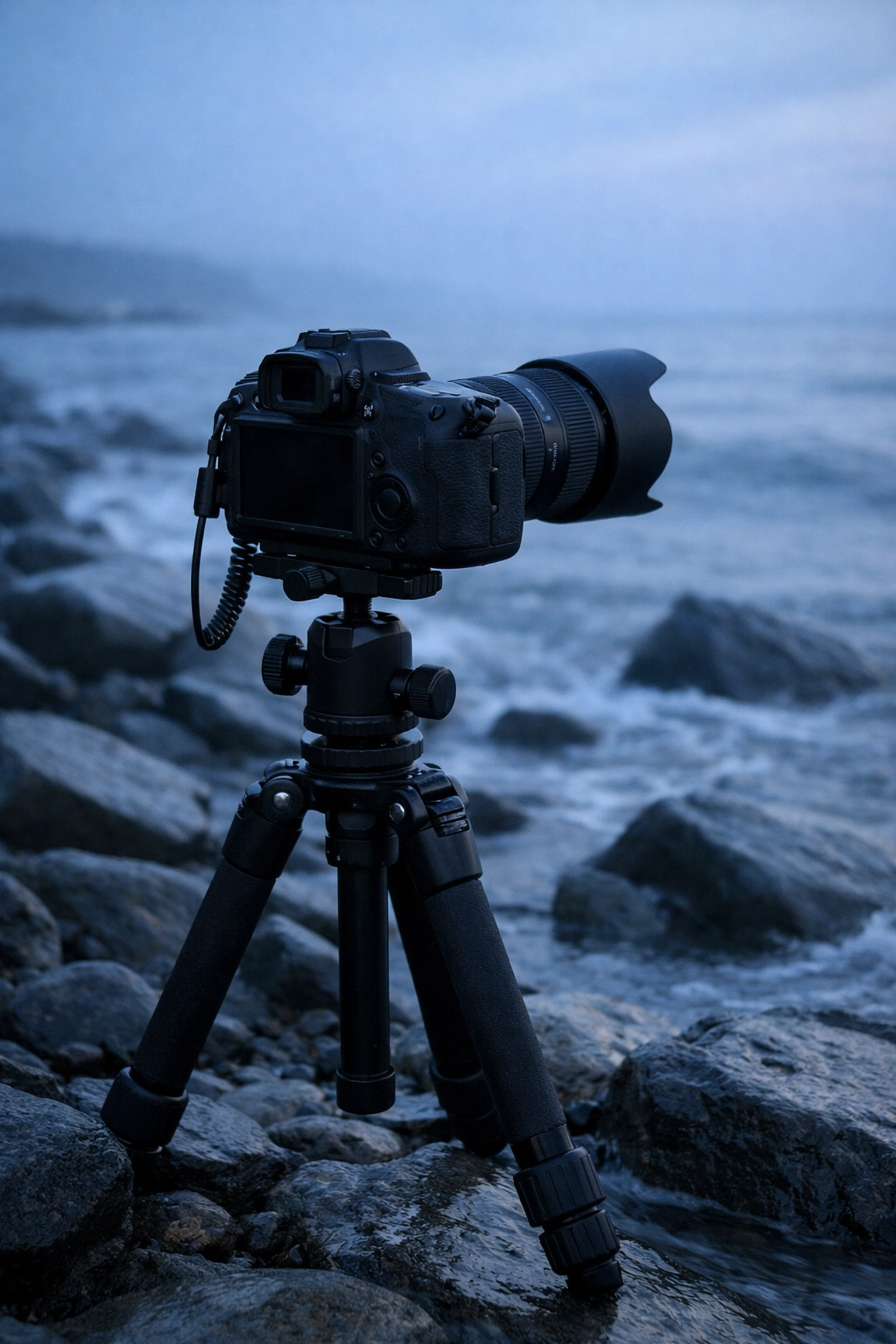
While most photography guides tell you to keep your images sharp, fine art photography often encourages intentional motion blur. By using a slower shutter speed, you can turn crashing waves into a soft mist or moving clouds into a painterly streak. This technique adds a layer of surrealism that is central to the ethereal aesthetic.
3. The Power of Overexposure
Don't be afraid to push your exposure compensation to +1 or +2. In the world of dreamy photography, a slightly "blown out" highlight can actually enhance the mood, creating a halo effect around your subjects.
| Technical Element | Ethereal Photography Effect | Recommended Setting |
|---|---|---|
| Aperture | Soft, blurred backgrounds and focus fall-off | f/1.2 to f/2.8 |
| Shutter Speed | Smooths motion and creates a sense of time | 1/30s or slower (use a tripod) |
| ISO | Keeps the image clean and free of digital noise | ISO 100 – 400 |
| White Balance | Adds a cool or warm "dreamy" cast | Custom or Shade (for warmth) |
Essential Gear for the Fine Art Photographer
While your vision is paramount, your equipment acts as the conduit for that vision. You don't need the most expensive camera on the market, but you do need the right tools to execute specific techniques.
- A Solid Tripod: Essential for long exposures. If you are exploring the best photography spots in Miami, a tripod allows you to capture the Atlantic's movement with precision.
- Prime Lenses: Lenses with a fixed focal length (like a 35mm or 50mm) often offer wider apertures than zoom lenses, which is vital for achieving that ethereal bokeh.
- Neutral Density (ND) Filters: These act like sunglasses for your lens, allowing you to use slow shutter speeds even in broad daylight.
If you are just starting and want to see how these tools work in the field, I highly recommend looking into a private Miami photography tour. Seeing a professional work through these settings in real-time will accelerate your learning curve.
Dreamy Photography Editing: The Secret Sauce
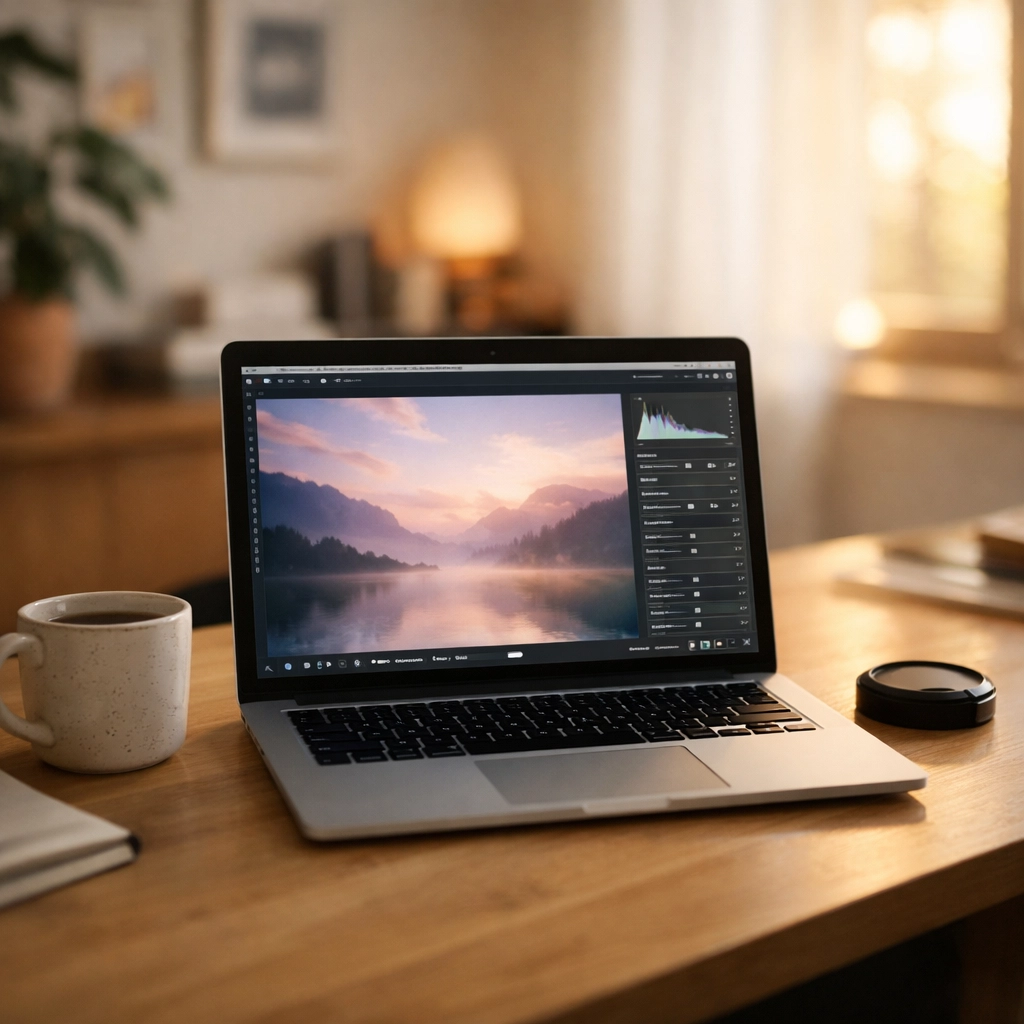
The magic of fine art photography often happens during post-processing. Your RAW file is just the beginning; the "dream" is built in Lightroom or Photoshop. Dreamy photography editing isn't about slapping on a filter; it's about delicate adjustments to light and color.
To achieve a professional ethereal look, focus on these three pillars:
- Reduce Contrast and Clarity: Lowering the "Clarity" and "Dehaze" sliders in Lightroom creates a soft, foggy look. It smooths out skin tones and architectural edges, giving the image a romantic feel.
- Color Grading: Ethereal shots often favor a limited color palette. Think pastels: pinks, soft blues, and mint greens. Use the HSL (Hue, Saturation, Luminance) panel to desaturate harsh colors and shift them toward more harmonious tones.
- The "Orton Effect": This is a classic fine art technique that involves layering a sharp version of an image with a blurred, overexposed version. The result is a photograph that seems to glow from within.
If you want to achieve these results instantly, you should use the Ultimate Lightroom Preset Collection. It’s designed specifically to give your images that polished, high-end fine art look without the hours of manual tweaking.
Case Study: Ethereal Coastal Landscapes
Miami provides the perfect backdrop for practicing these skills. Between the turquoise waters and the neon-lit Art Deco architecture, you have endless opportunities to experiment. If you are planning a shoot, grab our Miami self-driving photography guide to find the most secluded spots where you can set up your tripod and wait for the perfect light.
Imagine shooting at South Beach during the blue hour. By using a 30-second exposure and a soft color grade, you can transform a busy beach into a silent, hauntingly beautiful landscape. This is the essence of ethereal photography: taking the reality everyone sees and turning it into a world only you can imagine.
Building a Cohesive Body of Work
One of the biggest mistakes beginners make is producing a portfolio of unrelated "great shots." In the professional fine art world, curators and collectors look for a series. This means your images should look like they belong together.
Consistency is key. Whether it’s your choice of lighting, your specific style of dreamy photography editing, or your subject matter, there should be a thread that connects every photo. This is why many artists spend years on a single project, like documenting the changing light of the Florida Everglades. If you're heading that way, don't forget to check out our Everglades photography guide to help you navigate that unique environment.
Advanced Tips for Growth
- Study the Masters: Don't just look at other photographers. Look at Impressionist painters like Monet. See how they used light and color to suggest form rather than defining it with harsh lines.
- Print Your Work: You haven't truly seen your photography until it’s on paper. Printing your work reveals flaws you won't see on a screen and helps you understand the texture of your images. Check out the Edin Studios resources for more on the professional side of the industry.
- Shoot in "Bad" Weather: Fog, rain, and mist are your best friends for ethereal photography. They provide natural diffusion that no software can perfectly replicate.
Conclusion: Your Journey Starts Here
Mastering fine art photography is a lifelong pursuit of learning how to see. It’s about more than just gear; it’s about the courage to express your unique perspective through your lens. By focusing on technical skills like long exposures and wide apertures, and refining your eye through dreamy photography editing, you empower yourself to create work that truly resonates.
Whether you are exploring the streets of a new city with our New York City photography guide or capturing the serene beauty of Lake Tahoe, remember that every shot is an opportunity to refine your voice. Keep experimenting, keep breaking the rules, and most importantly, keep creating.
For more tutorials, gear reviews, and inspiration, stay tuned to the Edin Chavez Photography Blog. Your evolution from a beginner to a master of the ethereal starts with the very next frame you capture.


