
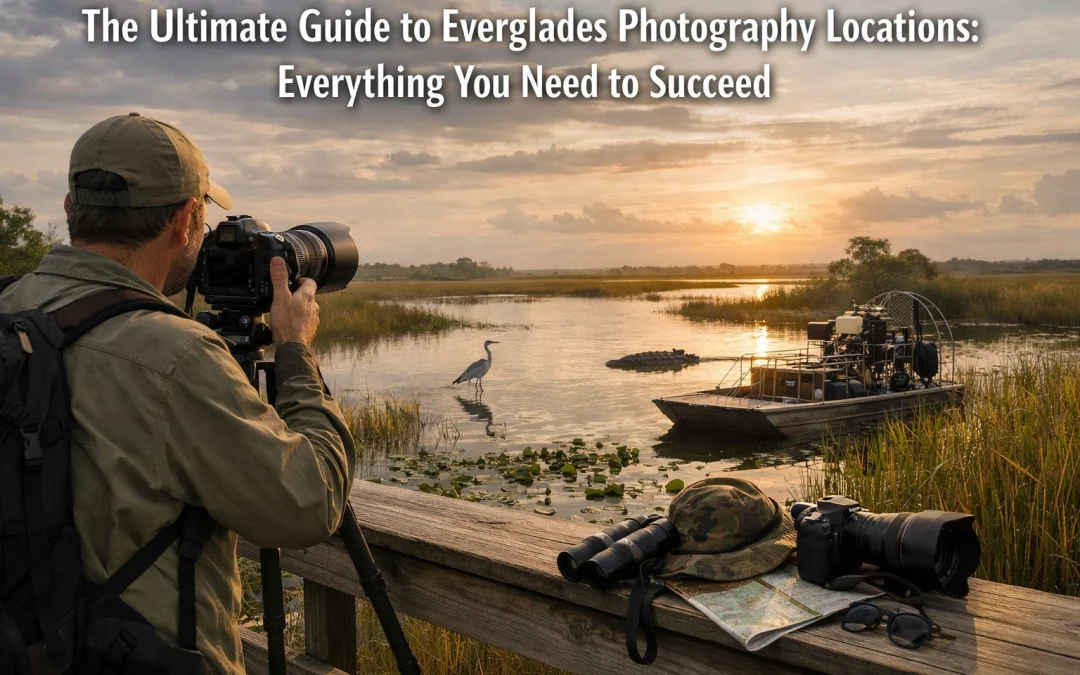
Just as the morning mist begins to lift off the sawgrass prairies, you realize that the Everglades is not just a swamp; it is a prehistoric landscape teeming with life, waiting for your lens to capture its soul. Many photographers visit Florida and stick to the coastlines, but when you venture into the "River of Grass," you unlock a world of biodiversity that is simply unmatched anywhere else on the planet. Whether you are looking for high-octane wildlife photography Everglades moments or the quiet, ethereal beauty of landscape photography Everglades scenes, this guide ensures you know exactly where to stand when the light hits.
Stepping into the Everglades can be overwhelming due to its sheer scale. To help you navigate this unique ecosystem, I have curated the absolute best Everglades photography locations based on years of field experience. This is your roadmap to success in one of the most challenging yet rewarding environments in the world.
The Iconic Anhinga Trail: Your Wildlife Hub
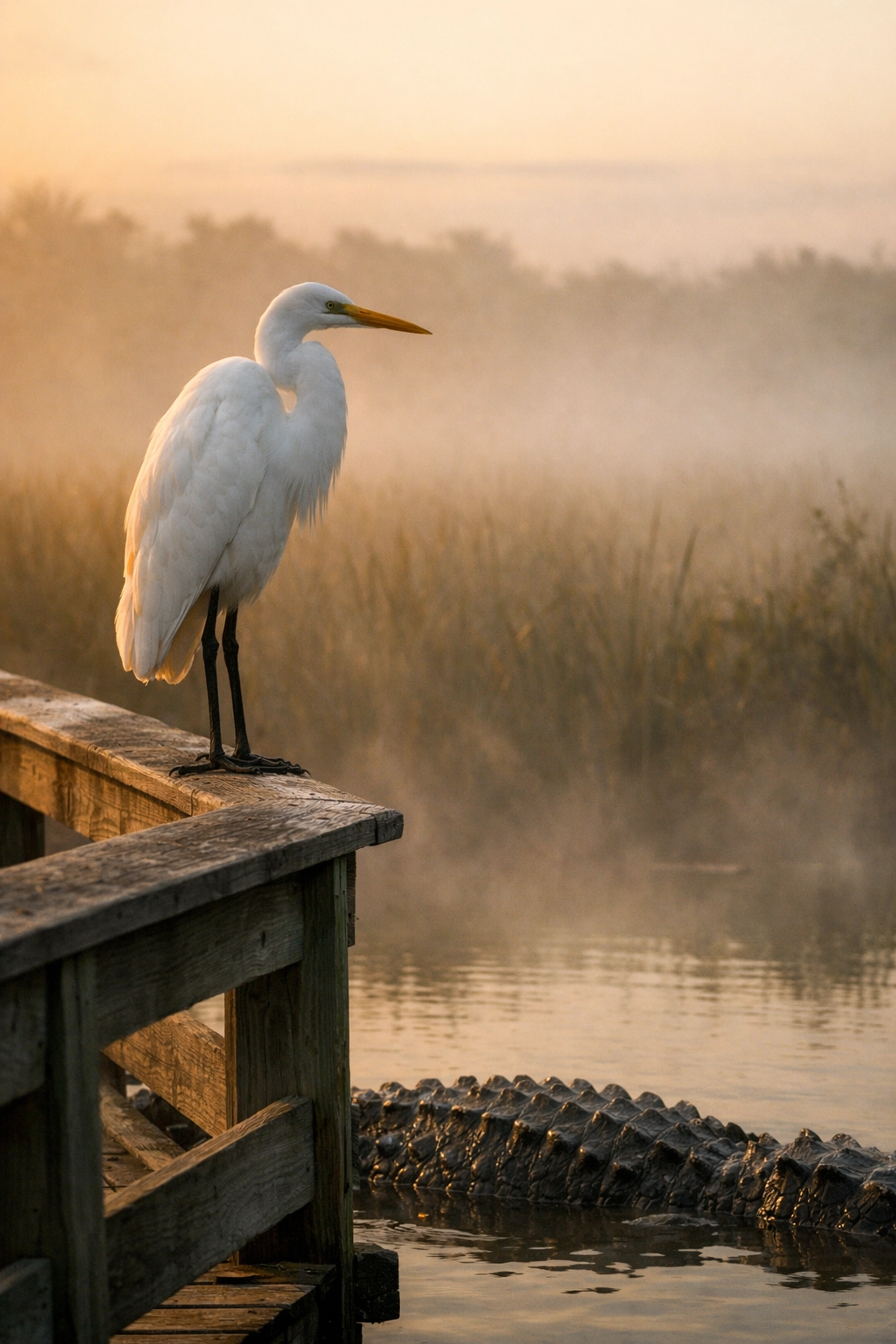
When you first arrive at the Royal Palm area, your primary destination should be the Anhinga Trail. This is widely considered the crown jewel of accessible wildlife photography. Because the animals here are accustomed to the boardwalk, you can get incredibly close to your subjects without disturbing their natural behavior.
You will encounter anhingas drying their wings, various species of herons and egrets, and more alligators than you can count. To truly elevate your work, arrive just before sunrise. The low-angled light creates a golden glow on the water, and if the temperature is right, a layer of mist will hang over the marsh, providing a dreamlike quality to your compositions. By positioning yourself early, you ensure your images have the depth and atmosphere that separate a snapshot from fine art.
Shark Valley: Perspective and Panoramas
Located off the Tamiami Trail, Shark Valley offers a different perspective on the glades. The 15-mile loop is a haven for birds and reptiles alike. While many tourists take the tram, you should consider renting a bike or walking the first few miles to maintain full control over your shooting angles.
The observation tower at the halfway point provides a 360-degree view of the horizon, which is essential for your landscape photography Everglades portfolio. From this height, you can capture the vastness of the sawgrass plains and the dramatic Florida cloud formations. Along the trail itself, you will find alligators lounging within feet of the path. Use a 70-200mm lens here to capture environmental portraits, showing the reptile within its grassy kingdom rather than just a tight headshot.
Big Cypress National Preserve and Loop Road
If you crave a more rugged, "old Florida" feel, your journey must include the Big Cypress National Preserve. Specifically, Loop Road is a legendary 24-mile stretch that takes you deep into the heart of the cypress strands. This is where you go for texture, shadow, and mystery.
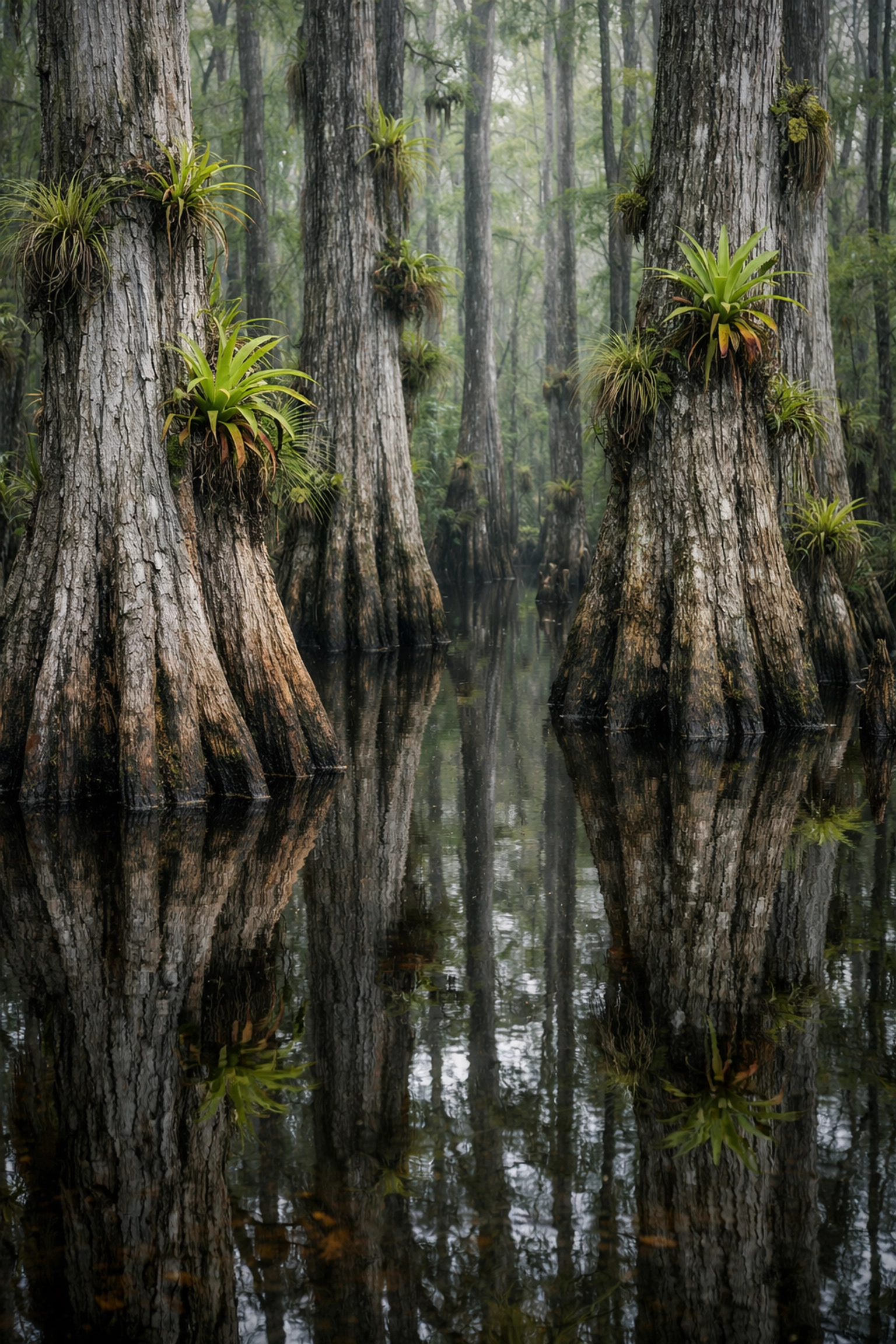
As you drive slowly down this unpaved road, keep your eyes peeled for the elusive barred owl or the rare Florida panther. The cypress domes here create incredible leading lines and reflections in the tea-colored water. For the best results, look for "air plants" and orchids clinging to the ancient trees. The soft, filtered light under the canopy allows you to capture rich greens and deep browns that are often lost in the harsh midday sun.
Flamingo and the Southern Extremes
Driving all the way to the end of the park road leads you to Flamingo. This area feels like the edge of the world. Because it sits on the transition zone between fresh and saltwater, the photographic opportunities are unique. This is one of the few places in the world where you can photograph both the American Alligator and the American Crocodile in the same vicinity.
Eco Pond, located near the Flamingo visitor center, is your go-to spot for sunset silhouettes. During the dry season, Roseate Spoonbills often frequent the pond, their vibrant pink feathers contrasting beautifully against the deep blues of the water. When you set up your tripod here, focus on the "golden hour" to capture the reflections of the mangrove fringe as the sun dips below the Florida Bay.
Everglades Location Comparison Table
To help you plan your itinerary, I’ve broken down the key features of these primary locations:
| Location | Primary Photography Focus | Best Time of Day | Recommended Lens |
|---|---|---|---|
| Anhinga Trail | Wading Birds, Alligators, Mist | Sunrise | 300mm – 600mm |
| Shark Valley | Panoramic Landscapes, Bird-in-Flight | Late Afternoon | 70-200mm |
| Loop Road | Cypress Domes, Owls, Orchids | Overcast or Early Morning | 24-70mm & 400mm |
| Eco Pond | Spoonbills, Waterfowl, Sunsets | Sunset | 500mm+ |
| Pahayokee | Wide-open Sawgrass Vistas | Sunrise | 16-35mm (Wide Angle) |
Mastering the Technical Challenges
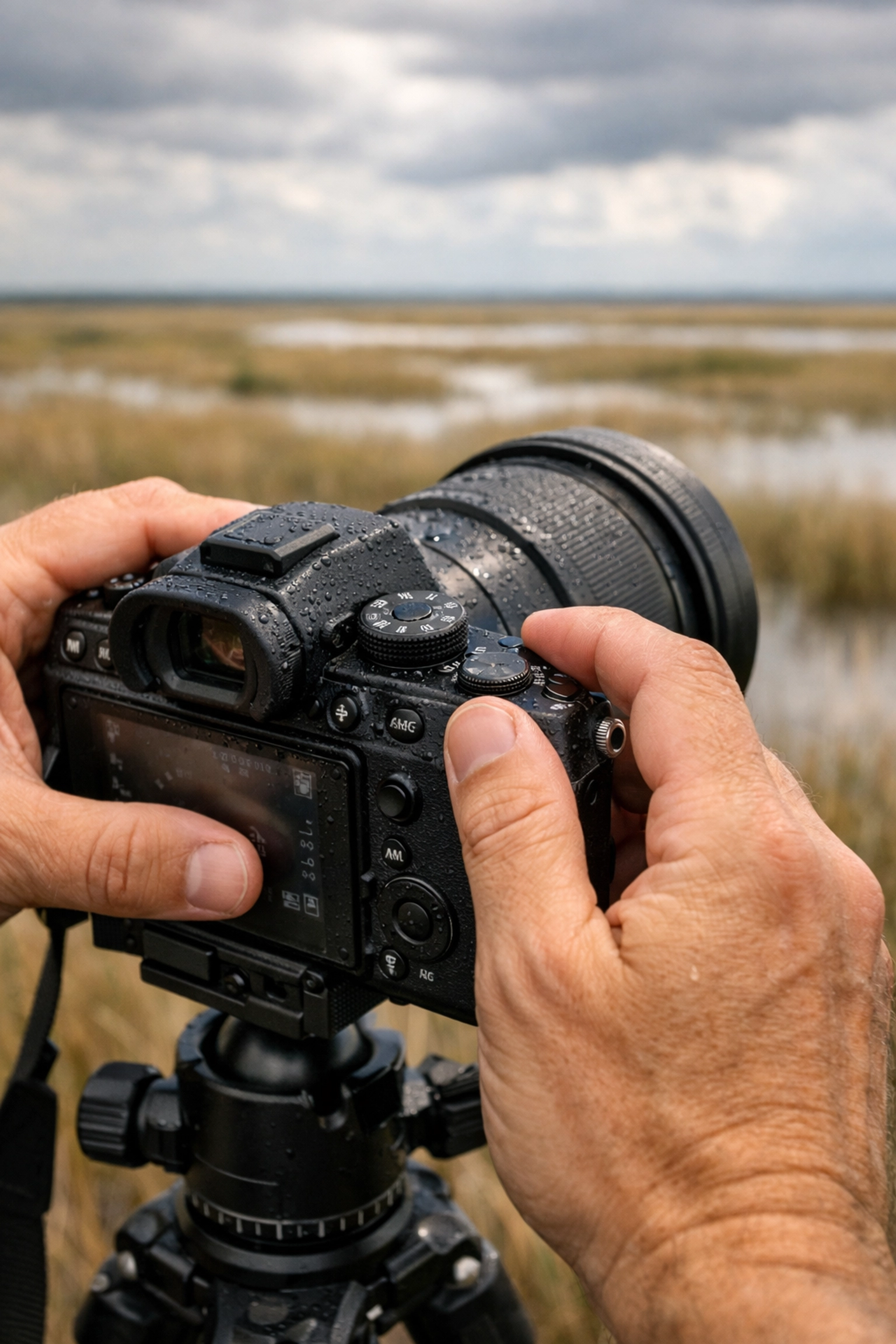
Photographing the Everglades requires more than just showing up; it requires a strategic approach to your gear and settings. Because you are often working in high-contrast environments or dark cypress canopies, your technical proficiency is what will ensure your success.
- Manage Your ISO: In the deep shade of Mahogany Hammock or Sweetwater Strand, don't be afraid to push your ISO to 2500 or higher. Modern mirrorless cameras handle noise exceptionally well, and a sharp, slightly grainy image is always better than a blurry one caused by a slow shutter speed.
- Use a Circular Polarizer: This is non-negotiable for landscape photography Everglades work. It allows you to cut the glare off the water’s surface, revealing the hidden world of submerged vegetation and fish below, while also saturating the greens of the foliage.
- Long Glass is Key: For wildlife photography Everglades sessions, a lens with at least 400mm of reach is your best friend. While some animals are close, the most intimate behavioral shots: like a heron striking at a fish: require that extra reach to fill the frame without encroaching on the animal's space.
The Magic of the Dry Season
Timing your visit is perhaps the most critical decision you will make. While the Everglades is beautiful year-round, the dry season (late November through April) is when the magic happens. As water levels drop, wildlife concentrates around the remaining deep-water holes.
During February and March, locations like Mrazek Pond become a frenzy of activity. You might find hundreds of wading birds feeding in a single small area. This concentration makes it much easier for you to capture multiple species in a single frame. This is also the peak nesting season, meaning you can photograph chicks in the nest at the Anhinga Trail, adding a powerful narrative element to your fine art collection.
Essential Gear for Your Expedition
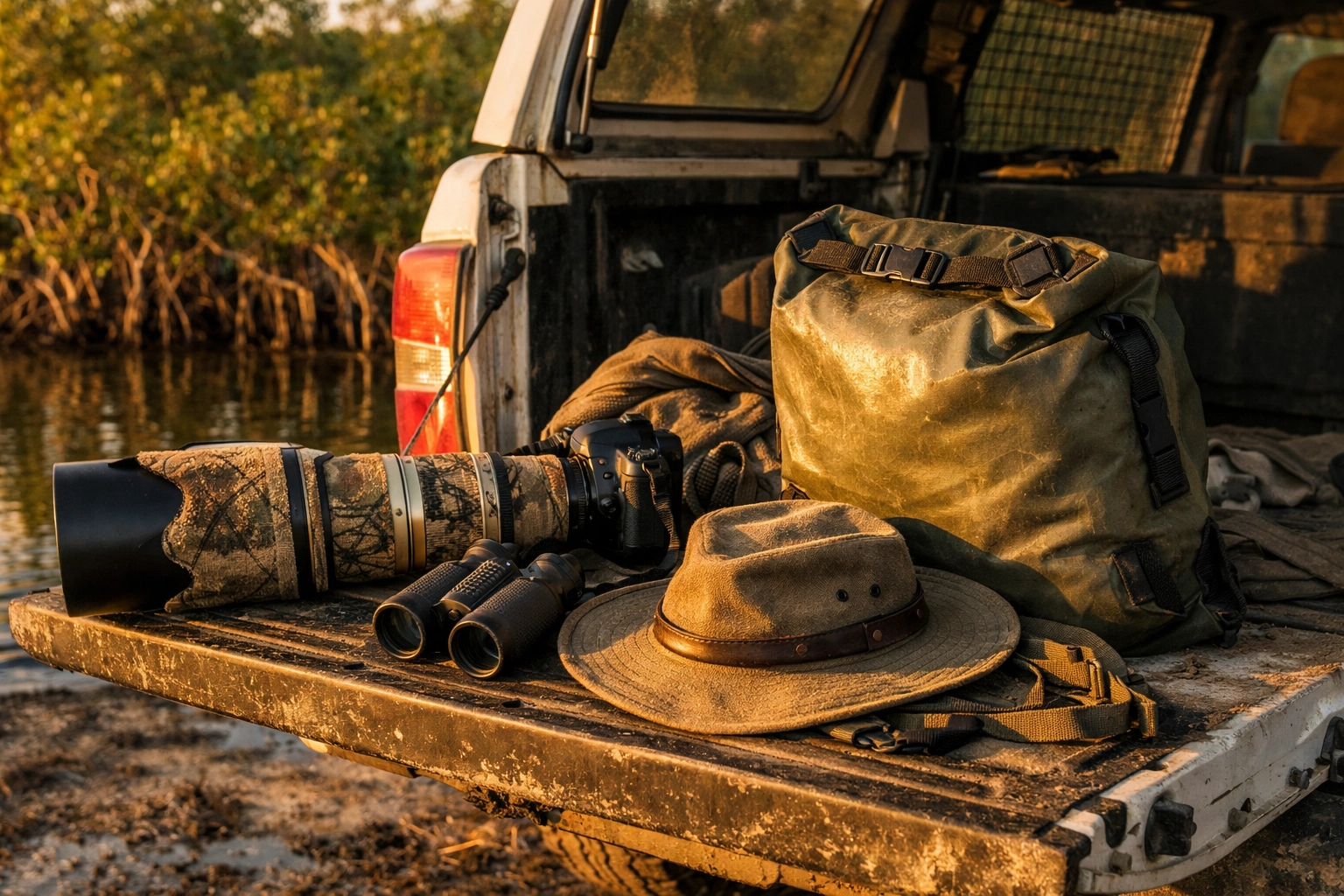
Your comfort in the field directly impacts your creativity. Beyond your camera and lenses, you need to protect yourself and your equipment. The Florida sun is relentless, and the mosquitoes can be formidable if you aren't prepared.
- Protection: Wear long-sleeved, moisture-wicking clothing and use a high-quality insect repellent.
- Stability: A sturdy tripod is essential for those low-light sunrise shots at Pahayokee Road.
- Safety: Always carry a waterproof dry bag for your gear, especially if you decide to take a canoe out on the Nine Mile Pond trail to find hidden rookeries.
Take Your Skills to the Next Level
You now have the foundation to explore the Everglades and bring home world-class images. However, knowing the locations is only half the battle; knowing the secret "honey holes" and the exact seasonal shifts can take years to master on your own.
If you want to skip the trial and error and start shooting like a pro immediately, I have compiled everything I know into a comprehensive resource. My Everglades Photography Guide gives you GPS coordinates, specific seasonal tips, and advanced composition techniques tailored specifically for this environment.
Purchase the Ultimate Everglades Photography Guide Here
By investing in your education, you ensure that your next trip to the River of Grass isn't just a walk in the park, but a productive expedition that yields breathtaking fine art.
For more inspiration and to see my latest work from the field, feel free to explore my galleries at Edin Chavez Photography or browse more educational articles on my Photography Blog. Your journey into the wild heart of Florida starts now: make sure you're ready for it.
Hence, with these locations and strategies in your arsenal, you are well-equipped to capture the raw, untamed beauty of the Everglades. Respect the wildlife, mind the light, and always keep your eyes open for the unexpected. The perfect shot is waiting for you just around the next bend in the boardwalk.


