
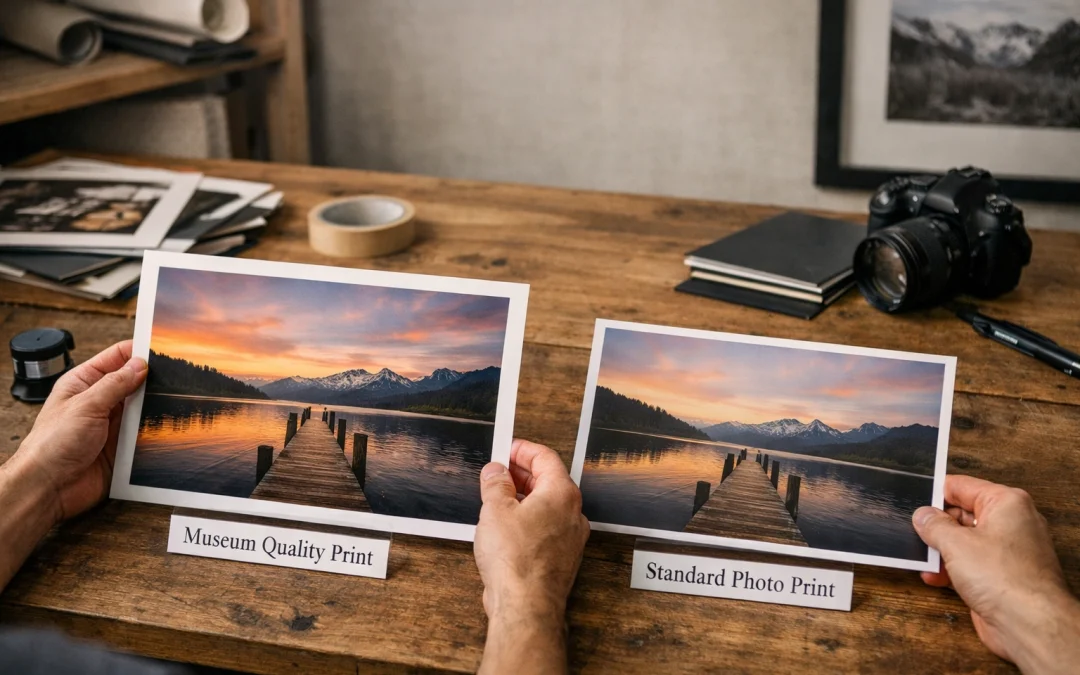
When you're building a fine art photography collection, one of the most critical decisions you'll face isn't just which images to acquire: it's understanding what you're actually buying when you invest in a print. The difference between museum quality prints and standard photo prints isn't just marketing jargon. It's the difference between a piece that maintains its value and visual impact for generations versus one that fades into a shadow of its former self within a decade.
As someone who creates fine art photography professionally, I've watched collectors make both informed and regrettable decisions about print quality. Your choice impacts not just how the piece looks on your wall today, but whether it becomes a treasured heirloom or a disappointing memory. Let's break down exactly what separates these two worlds so you can make the right decision for your collection.
What Museum Quality Really Means for Your Investment
Museum quality prints aren't called "museum quality" because they sound fancy: they earn that designation through rigorous material standards and archival processes. When you invest in archival prints for photography, you're getting materials engineered to last 100+ years without significant fading or degradation. These prints use pigment-based inks rather than dye-based alternatives, combined with acid-free, archival-grade papers that are often 100% cotton rag or alpha-cellulose.
The paper itself makes a substantial difference in your piece's longevity. Museum quality prints typically feature heavyweight papers starting at 200gsm and ranging up to 400gsm or more. These papers have a tactile, substantial feel that elevates the viewing experience beyond just visual appreciation. The weight and texture contribute to the art object's presence in your space.
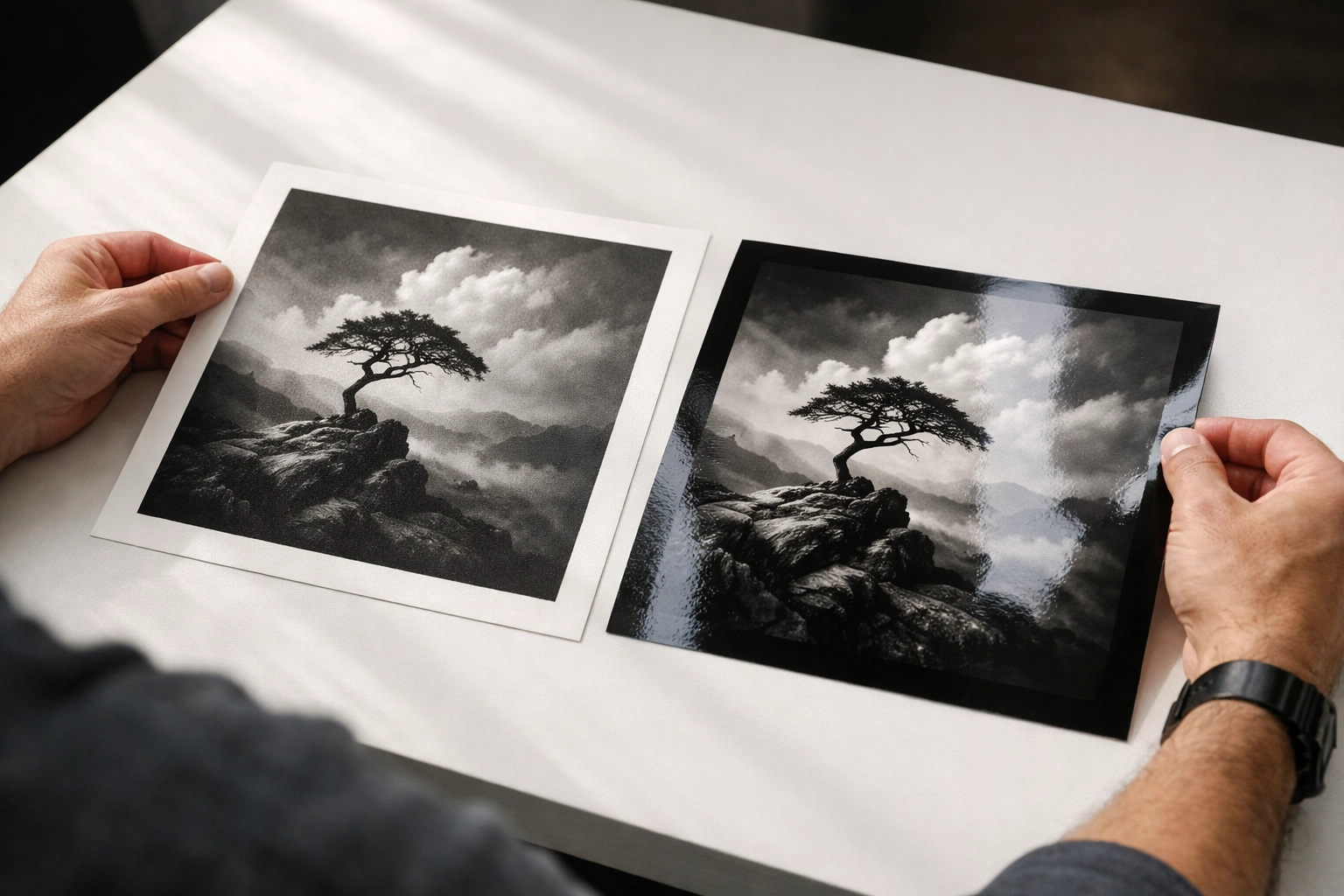
What really sets museum quality apart is the ink technology. These prints use up to 12 different colored inks compared to the standard CMYK (four-color) process. This expanded color gamut means your fine art photography prints can reproduce subtle tonal variations and color accuracy that standard processes simply can't match. You're not just getting brighter colors: you're getting truer colors with smooth gradations that prevent banding and maintain the photographer's original vision.
The Trade-Offs of Standard Photo Prints
Standard photo prints serve a purpose, but you need to understand their limitations before you decide they're right for your collection. These prints use resin-coated papers that deliver immediate visual impact with vibrant colors, deep blacks, and high contrast: especially on glossy or semi-gloss surfaces. If you're looking for that punchy, magazine-quality appearance right out of the package, standard prints excel at first impressions.
However, standard prints aren't designed for long-term preservation. The resin coating and chemical processes used in production prioritize affordability and speed over longevity. These prints fade more quickly than museum quality alternatives, often showing noticeable degradation within 10-20 years even under proper display conditions. The dye-based inks used in most standard printing break down when exposed to light and environmental factors your wall art will inevitably encounter.
The paper quality differs substantially as well. Standard photographic paper tends to be thinner and less substantial than archival alternatives. While this makes them easier to ship and less expensive to produce, it also means they're more susceptible to physical damage, humidity changes, and handling wear over time.
Longevity: The True Cost of Your Choice
When you evaluate the cost difference between museum quality and standard prints, the initial price tag tells only part of the story. A museum quality print from edinfineart.com might cost three to five times more than a standard print, but that investment pays dividends in preservation and value retention.
Consider this scenario: You invest $800 in a museum quality fine art photography print versus $200 for a standard version of the same image. In 15 years, your museum quality piece still looks virtually identical to the day you purchased it, maintaining its market value and potentially appreciating as the edition sells out. The standard print? It's likely faded noticeably, particularly if displayed near windows or in well-lit rooms, and has little to no resale value.
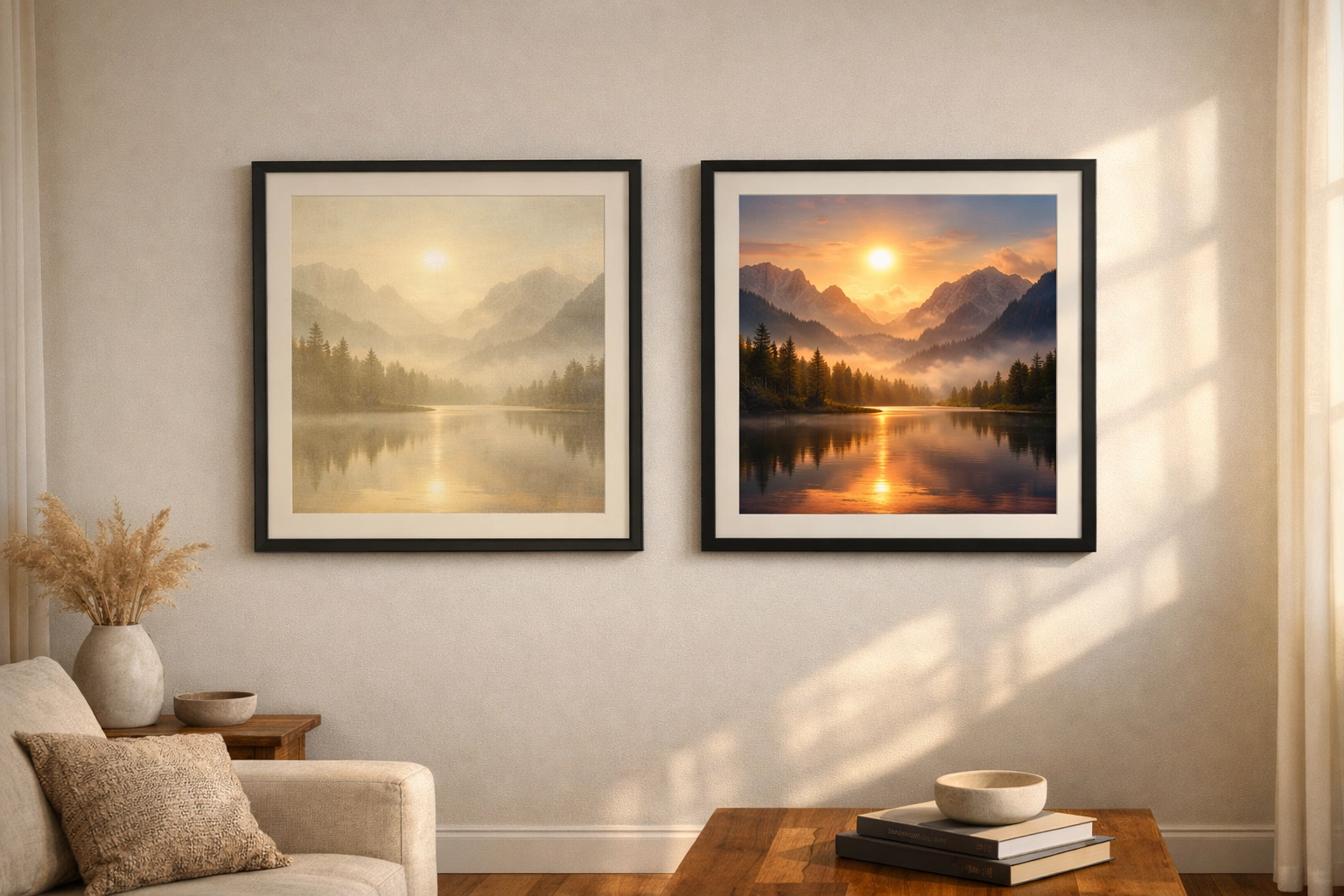
Insurance companies and art appraisers recognize this distinction. Museum quality prints with proper documentation maintain their insurable value and can be formally appraised for estate purposes. Standard prints rarely qualify for the same treatment because their deterioration is predictable and substantial.
The longevity advantage extends beyond just the print itself. Archival prints for photography maintain their emotional impact across generations. That image you connected with today will continue to move viewers decades from now, rather than becoming a faded ghost that requires explanation about how vibrant it once looked.
Visual Characteristics: What Your Eyes Actually See
The visual differences between museum quality and standard prints are more nuanced than you might expect. Standard prints often appear more impressive at first glance. The glossy surface creates depth, the blacks look deeper, and the colors seem more saturated. This immediate visual punch is why many photographers use standard prints for proofs or casual display: they deliver instant gratification.
Museum quality prints take a different approach to visual impact. The matte or subtly textured surfaces reduce glare and create a more contemplative viewing experience. Colors appear more subdued but infinitely more accurate to the photographer's original vision. Skin tones look natural rather than oversaturated. Highlights hold detail instead of blowing out to pure white. The smooth tonal gradations create an almost three-dimensional quality as light moves across the surface.
This difference becomes particularly apparent with my ethereal, dreamy photography style. The soft tones and emotional atmospheres I capture require the subtle color accuracy that only museum quality printing can deliver. A standard print might make these images appear more "poppy," but it sacrifices the delicate tonal relationships that create the emotional resonance collectors respond to.
The texture of museum quality paper also contributes to the viewing experience. Many archival papers have a slight tooth or texture that gives the image a painterly quality. This tactile dimension adds to the art object's presence in your space in ways a smooth resin-coated print simply cannot match.
When Museum Quality Is Your Only Real Option
Certain situations demand museum quality prints without compromise. If you're building a serious collection meant to last beyond your lifetime, archival quality isn't optional: it's essential. The same applies to any piece you consider investment-grade or plan to include in your estate planning.
Gallery exhibitions and museum loans require documentation of archival standards. Curators won't consider loans of work printed on non-archival materials because they can't guarantee the piece will survive the exhibition without degradation. If you have aspirations of loaning pieces to institutions or participating in serious exhibition opportunities, museum quality is the entry requirement.
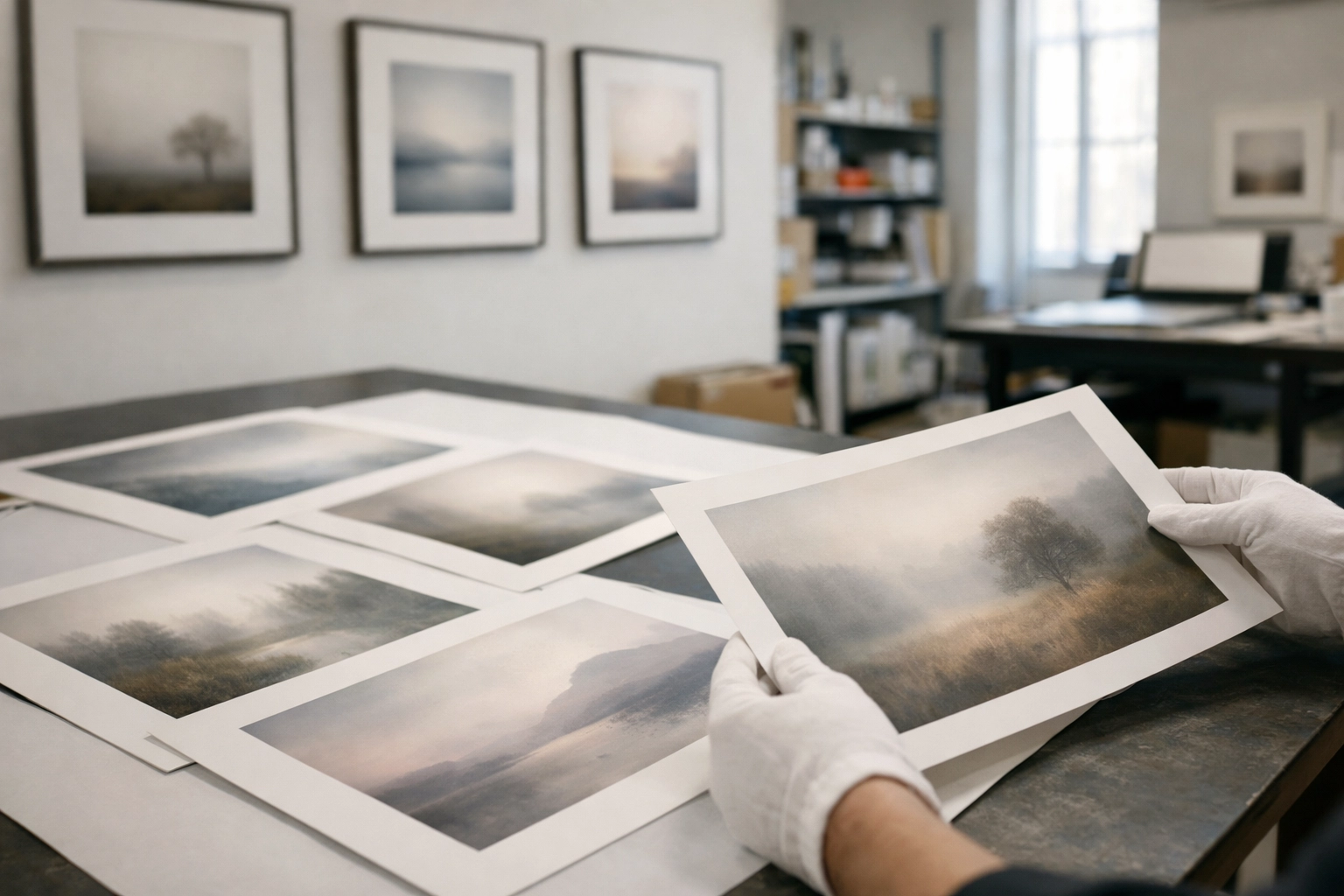
Pieces with strong personal or emotional significance deserve archival treatment. That photograph from a once-in-a-lifetime trip, a portrait of a loved one, or an image that speaks to your soul: these aren't candidates for planned obsolescence. Museum quality ensures these meaningful pieces survive to become family heirlooms rather than casualties of time.
Limited edition fine art photography prints inherently demand museum quality standards. When you acquire a numbered edition piece, the implied promise is that all prints in the edition maintain consistent quality and longevity. Mixing quality levels within an edition undermines the entire concept of limited editions and collector value.
When Standard Prints Make Practical Sense
Despite the clear advantages of museum quality, standard prints have legitimate applications in your relationship with fine art photography. If you're exploring a photographer's work before committing to an archival piece, standard prints let you live with an image without a major financial commitment. Think of them as extended test drives for your walls.
Temporary displays or rotating collections benefit from standard prints. If you enjoy regularly changing the artwork in your space, investing in museum quality for pieces you'll rotate out in six months doesn't make financial sense. Standard prints give you the flexibility to experiment with different images and styles without breaking your budget.
Environments where preservation isn't feasible: like bathrooms, kitchens, or spaces with high humidity and temperature fluctuations: are poor candidates for museum quality prints anyway. Standard prints serve well in these challenging locations where even archival materials would struggle with the environmental conditions.
Budget constraints are a real consideration for many collectors. If choosing standard prints in the near term allows you to engage with fine art photography and build your appreciation, that's a valid starting point. Just understand you're making a conscious trade-off between immediate affordability and long-term value.
Making the Decision That Serves Your Collection
The choice between museum quality prints and standard photo prints ultimately comes down to your specific goals, values, and circumstances. If you're building a collection for long-term enjoyment and potential appreciation, if preservation matters to you, or if you're selecting pieces with deep personal meaning, museum quality is the clear choice. The initial premium you pay translates directly into decades of additional life and sustained value.
Standard prints serve specific purposes: temporary display, casual decoration, or budget-conscious exploration of photography. They're not inherently bad choices, but they are fundamentally different products with different outcomes. Understanding that distinction empowers you to make informed decisions rather than discovering the limitations of your purchase years after the fact.
When you're ready to invest in fine art photography prints that will maintain their beauty and value for generations, the quality of materials and printing processes matters more than any other single factor. Your collection deserves pieces that honor both the photographer's vision and your commitment to preserving meaningful art. That's what separates collectors from decorators: the understanding that true value in art extends far beyond the moment of purchase into a future where your choices continue to reward you every day.


