
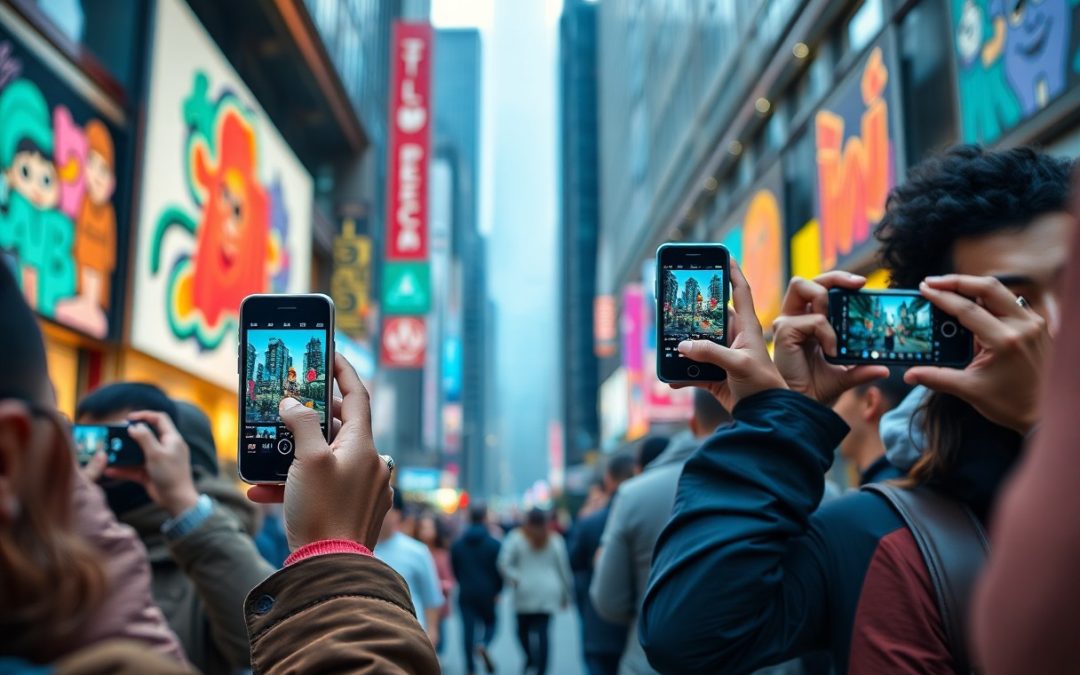
Most of us carry powerful cameras in our pockets today, thanks to smartphones that have transformed your photography experience. The integration of artificial intelligence in these devices enhances your ability to capture stunning images effortlessly. However, this evolution comes with dangers, such as the risk of over-reliance on technology, which can affect your creativity and skill development. Embracing the positive advancements while staying aware of these pitfalls will help you navigate the dynamic world of photography like a pro.
Key Takeaways:
- Smartphones have democratized photography, making it accessible to everyone.
- AI enhances image editing and processing, improving photo quality effortlessly.
- Social media platforms influence photography styles and trends significantly.
- Mobile photography apps offer advanced features that rival traditional cameras.
- AI algorithms can assist in composition, lighting, and subject recognition.
- Smartphone cameras continually evolve, incorporating features from professional equipment.
- Ethical concerns arise with AI-generated images and authenticity in photography.
The Impact of Smartphones on Photography
Smartphones have revolutionized photography, transforming an exclusive practice into an everyday activity. With advanced features and high-resolution cameras, capturing life’s moments is now within everyone’s reach. You can document experiences instantly and share them globally, altering the way you perceive and engage with your surroundings. The immediacy and convenience have led to an explosion of images uploaded daily, creating a dynamic digital culture where creativity flourishes.
Evolution of Mobile Cameras
The evolution of mobile cameras has been remarkable, progressing from basic 0.3 MP sensors to cutting-edge multi-lens systems boasting over 200 MP. Today, smartphones feature optical zoom, Night Mode, and artificial intelligence enhancements, enabling you to take professional-grade photos without additional equipment. This technological leap caters to various photography styles, making it easier than ever to experiment and refine your skills.
Accessibility and Democratization of Photography
Smartphones have significantly enhanced the accessibility of photography, placing powerful tools in the hands of millions. Anyone with a smartphone can capture, edit, and share images, eliminating barriers that once limited the medium to professionals. This democratization means diverse voices and perspectives are now documented, allowing for broader representation in visual storytelling and fostering a vibrant online community.
With over 3.8 billion smartphones in use worldwide, the accessibility offered by these devices has transformed photography into a universal language. You no longer need expensive equipment or specialized training; a simple touch of a button allows you to share your unique viewpoint. Platforms like Instagram and TikTok further amplify this democratization, showcasing talent and creativity across global audiences. As a result, photography becomes a collective endeavor, empowering individuals to express themselves and connect through shared experiences.
Artificial Intelligence in Photography
The integration of artificial intelligence in photography has transformed how images are captured, edited, and organized. AI algorithms analyze vast amounts of data to enhance your photos, enabling features such as auto-enhancements, smart cropping, and facial recognition. With these advancements, you can achieve professional-quality results without extensive technical knowledge, making powerful photography tools available at your fingertips.
AI-Powered Editing Tools
AI-powered editing tools have streamlined the post-production process, enabling you to enhance your images effortlessly. Programs like Adobe Photoshop and Lightroom now incorporate AI to facilitate tasks such as automatic color correction and sky replacement. With these tools, complex editing techniques become achievable for any skill level, allowing you to elevate your photography with minimal effort.
Intelligent Camera Features
Intelligent camera features leverage AI to improve your photography experience by automatically adjusting settings and recommending compositions. Modern smartphones come equipped with capabilities like scene recognition and subject tracking, ensuring you capture the best shot every time. These features help you focus on creativity, as the camera manages technical details.
For instance, the latest smartphone models often include scene detection, which identifies elements in your frame, such as landscapes or portraits, and adjusts exposure, focus, and color settings accordingly. Features like live focus allow you to create stunning bokeh effects in real-time, while AI-driven image stabilization minimizes blur during recording. Some devices even offer night mode, utilizing AI to analyze low-light conditions and enhance brightness without losing detail. By harnessing these intelligent capabilities, you experience a significant boost in the quality of your images, ensuring that you capture life’s moments with clarity and artistry.
Changing Aesthetics and Trends
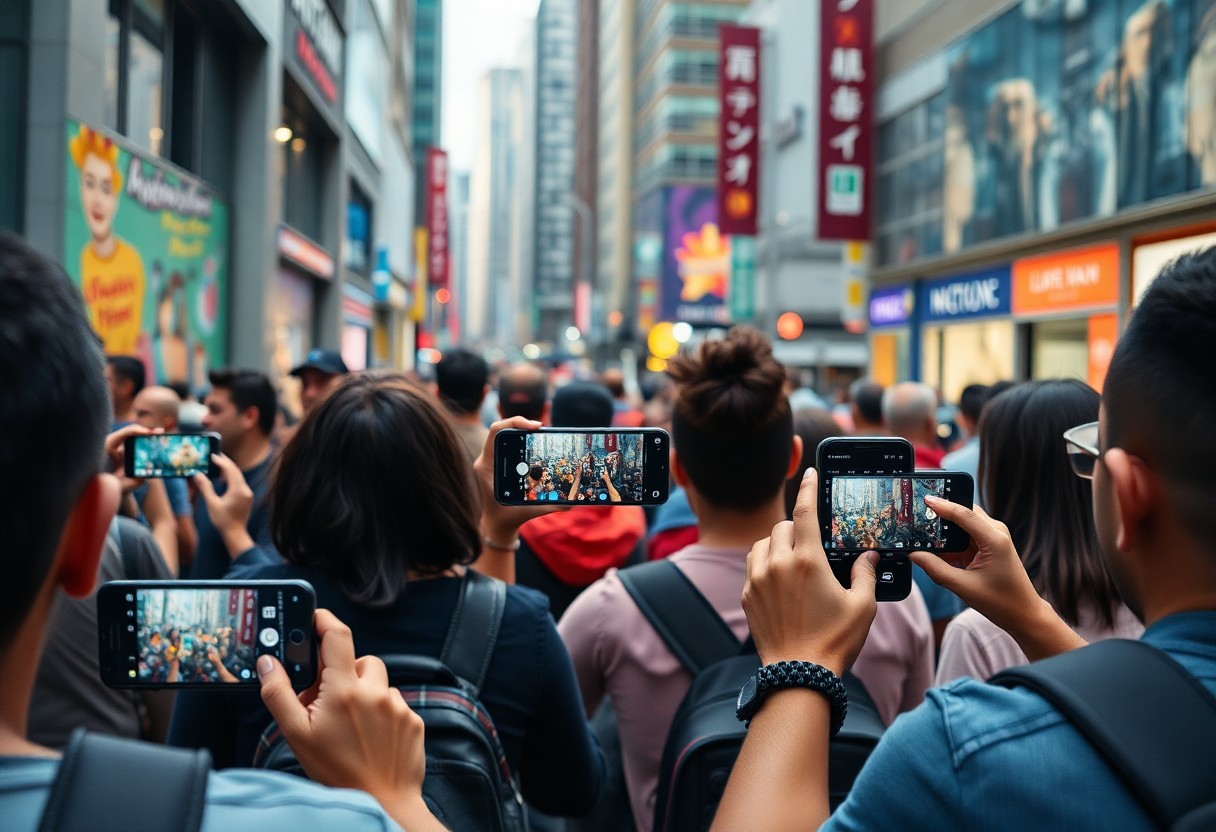
The rise of smartphones and AI has redefined visual aesthetics in photography, often blending avant-garde styles with mainstream appeal. You see vivid colors, surreal compositions, and the use of filters that create unique artistic expressions. This democratization enables anyone to experiment with trends like minimalism or vibrant street photography, allowing personal styles to flourish without the need for professional training.
New Styles Inspired by Technology
Emerging styles draw heavily from advances in technology, such as the use of augmented reality and computer-generated imagery. You might explore techniques like double exposure through apps, creating layers of images that challenge traditional boundaries. These innovations encourage you to be bolder with your creativity, blending reality with digital enhancements.
The Role of Social Media
Social media platforms play a pivotal role in shaping photography trends, making them highly dynamic and collaborative. You can showcase your work, gain instant feedback, and derive inspiration from countless creators around the globe. Trends often emerge rapidly, with virality impacting the tools and styles that you adopt.
Platforms like Instagram and TikTok contribute to an ever-evolving visual language, where aesthetics can shift overnight. The popularity of hashtags drives movements, such as #FilmPhotography and #PortraitMode, connecting you with a community of like-minded enthusiasts. You leverage these platforms to refine your skills, experiment with trending techniques, and tap into a rich source of inspiration, drastically expanding your creativity and reach.
Challenges Faced by Traditional Photography
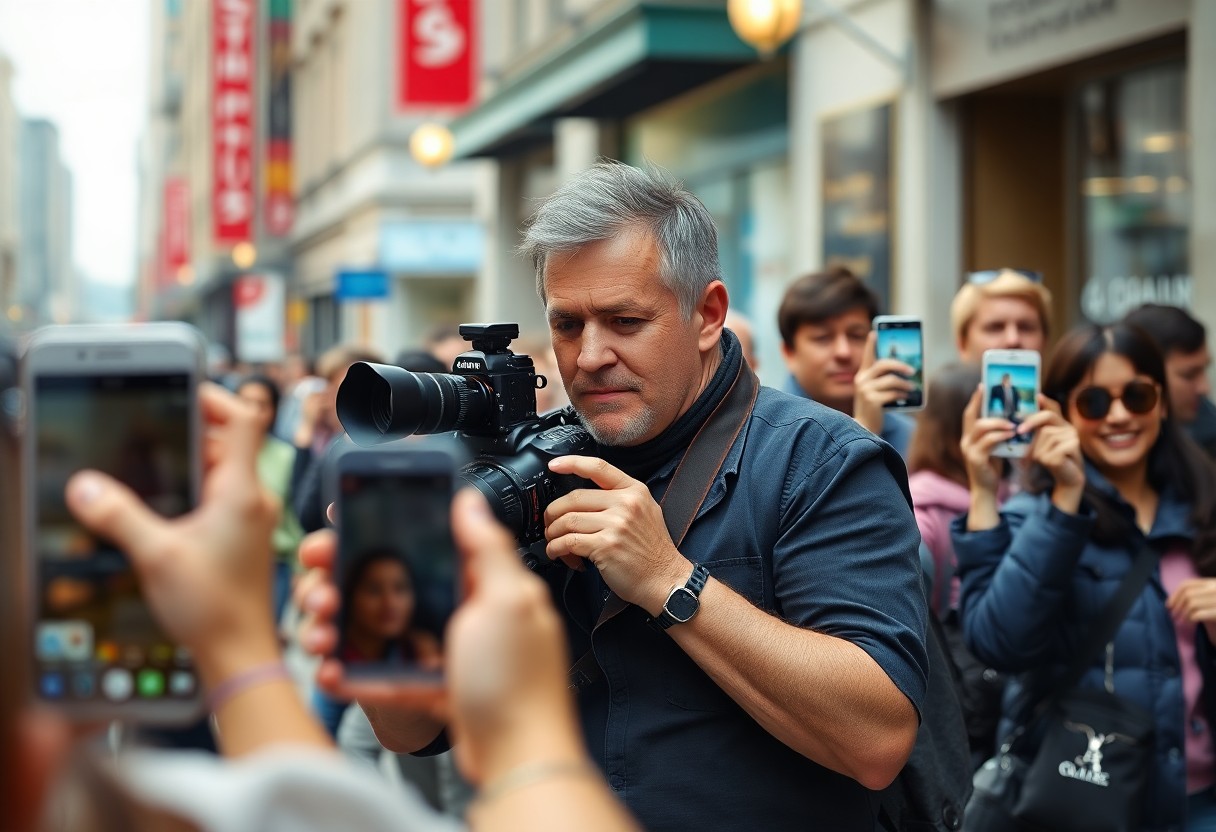
The surge of smartphone photography has created significant obstacles for traditional photographers. With the rapid advancements in camera technology, you may find yourself facing an oversaturated market where everyone is a potential photographer. As a professional, you encounter fierce competition, not just from other professionals but also from committed amateurs equipped with robust smartphone cameras. Additionally, the expectation for instant results has altered client demands, pushing traditional methods of staging and editing to the background in favor of quick, casual snapshots.
Professional Photographers vs. Smartphone Users
Professional photographers often grapple with the perception that smartphone users can achieve similar results with minimal effort. You might notice clients favoring smartphone snaps over paid shoots, leading to a decline in traditional photography services. This trend may overlook the intricate techniques, creative vision, and post-processing skills that you employ, which contribute to a distinct level of artistry and quality that is often absent in smartphone photos.
The Value of Skilled Craftsmanship
Skilled craftsmanship in photography encompasses more than just snapping pictures; it involves a profound understanding of composition, lighting, and technique. You recognize that the artistry behind a well-captured image requires hours of practice and dedication. The subtle nuances of using different lenses, controlling exposure, and mastering post-production settings greatly enhance the final product, setting you apart from smartphone users who may rely on automatic settings and filters.
In an age where anyone can take a picture, the value of skilled craftsmanship becomes increasingly apparent. You understand that the delicate balance of technical ability and creative vision is important to producing standout images. Unlike the often uniform results from smartphones, your expertise allows you to manipulate factors such as depth of field and shutter speed to craft compelling and evocative photographs. For instance, using a professional DSLR camera, you can achieve striking bokeh effects that draw focus to your subject in a way that smartphone cameras typically cannot replicate. This distinction not only enhances visual storytelling but also reflects the dedication and artistry that your clients should appreciate.
Future Trends in Photography
The future of photography will be heavily influenced by advancements in technology, particularly in augmented reality (AR), virtual reality (VR), and artificial intelligence (AI). As these technologies evolve, you will witness new ways to capture, experience, and manipulate images, pushing the boundaries of visual storytelling and engagement. The integration of AI tools is set to enhance your creative process, allowing for innovative designs and efficient workflows that were once unimaginable.
Enhanced Experiences through AR and VR
AR and VR will transform how you interact with photography, offering immersive experiences that blend the physical and digital worlds. Exhibitions may feature AR overlays that provide deeper context to images, while VR environments allow you to step inside a photograph, experiencing the scene as if you were actually present. This shift not only changes how you view images but also how you create and share your work, turning each photo into an interactive narrative.
The Role of AI in Creative Decision Making
AI is set to redefine how you approach creative decisions in photography, offering tools that enhance your artistic vision. With machine learning algorithms capable of analyzing vast datasets, AI can suggest the optimal framing, lighting, and even potential editing styles for your images. These insights allow you to focus more on your creative instincts while benefiting from data-driven recommendations tailored to your unique style.
Consider how AI tools such as Adobe’s Sensei or Skylum’s Luminar AI can analyze your previous work, learning your preferences and suggesting automatic edits that align with your aesthetic. Imagine an AI companion that assists in choosing the perfect shot from hundreds of options based on composition, lighting, and subject matter. Such innovations provide you with actionable insights that can refine your photography, offering a new level of customization and creativity. As AI continues to learn and adapt, the creative possibilities become virtually limitless, empowering you to push the boundaries of your visual storytelling.
Ethical Considerations
The integration of AI into photography raises significant ethical dilemmas that demand your attention. As you navigate this landscape, understanding the implications of algorithmic biases, manipulation of images, and the responsibilities of both creators and consumers becomes paramount. Your choices can shape the discourse around authenticity and representation in visual media, thereby influencing societal perceptions and values.
Privacy Issues with AI and Photography
In AI-enhanced photography, privacy concerns are increasingly pressing. With smartphones capable of capturing high-resolution images indiscriminately, you may unintentionally invade someone’s privacy by photographing in public spaces. AI algorithms can also analyze faces and emotions, raising the stakes on consent and the ethical use of personal data. Balancing creative expression with respect for individual privacy is a challenge you must navigate.
Copyright and Ownership in the Digital Age
The rise of digital photography and AI technology complicates copyright and ownership issues significantly. You might find yourself questioning whether the rights to an AI-generated image belong to you, the software creator, or both. As AI tools increasingly assist in your creative process, delineating ownership becomes more complex. Legal frameworks have struggled to keep pace, often leading to ambiguous situations where rights are unclear or contested.
Ownership in the digital age also raises questions about originality and authorship. For instance, when AI generates or alters an image based on your input, the extent of your creative contribution can be murky. Legal cases, such as the one involving the “Monkey Selfie,” illustrate the complexities of copyright in photography today. Your understanding of the shifting landscape, including the necessity of licensing, can help you protect your work while adhering to ethical practices in an evolving digital environment.
Final Words
Conclusively, as you navigate the landscape of photography in the era of smartphones and artificial intelligence, you have unprecedented tools that can enhance your creative expression and technical skills. Embracing these advancements allows you to capture moments with ease and explore innovative techniques that were once reserved for professionals. Your ability to leverage smartphone technology and AI capabilities will redefine your approach to photography, making it more accessible and dynamic. This evolution not only elevates your artistry but also democratizes the medium, empowering you to share your unique vision with the world.
FAQ
Q: How has smartphone technology changed photography?
A: Smartphone technology has made photography accessible to a broader audience by integrating high-quality cameras and editing software into devices. This allows users to capture and share images instantly, democratizing photography.
Q: What role does artificial intelligence play in modern photography?
A: Artificial intelligence enhances photography through features like automatic scene recognition, improved focus, and image enhancement. AI algorithms can analyze and optimize photos, making it easier for users to achieve professional-quality results.
Q: Are professional cameras still relevant in the age of smartphones?
A: Yes, professional cameras are still relevant. They offer superior sensor sizes, lens versatility, and manual controls that are important for certain types of photography, such as commercial, landscape, and studio work.
Q: How can I improve my photography skills using a smartphone?
A: To improve photography skills with a smartphone, focus on composition, lighting, and subjects. Use grid lines to apply the rule of thirds, experiment with natural light, and explore different angles to enhance your photos.
Q: What are some challenges photographers face with smartphone photography?
A: Challenges include limited low-light performance, small sensor size, and the inability to interchange lenses. Additionally, smartphone images often require post-processing to achieve desired effects, which can be complex for some users.
Q: How has social media influenced photography trends?
A: Social media has significantly influenced photography trends by encouraging users to share visually appealing content. This has popularized styles such as minimalism and aesthetics focused on vibrant colors and unique compositions.
Q: Can AI-generated images replace traditional photography?
A: While AI-generated images can produce impressive results, they cannot fully replace traditional photography. The personal touch, creativity, and context captured by human photographers remain irreplaceable elements in photographic art.


