

This guide will walk you through the imperative features of Coinbase, arguably the best Bitcoin trading platform for beginners. As a newcomer, you might feel overwhelmed by the complexities of cryptocurrency; however, this platform simplifies the process, helping you navigate your way through buying, selling, and storing Bitcoin. You’ll learn how to ensure security for your investments and maximize your trading experience. By the end, you’ll be equipped with the knowledge needed to confidently start your cryptocurrency journey on Coinbase.
Key Takeaways:
- Coinbase is user-friendly, making it an ideal choice for those new to cryptocurrency trading.
- The platform supports a variety of cryptocurrencies, allowing users to diversify their investments.
- Coinbase offers a secure environment with advanced security features to protect users’ assets.
- Educational resources and tutorials are available to help beginners understand cryptocurrency trading.
- Users can easily buy, sell, and trade cryptocurrencies through a streamlined interface and mobile app.

Setting Up Your Coinbase Account: The Essential First Step
Creating your Coinbase account is your gateway to entering the world of Bitcoin and cryptocurrency trading. You’ll start by providing your email and setting a strong password. Following this, you’ll receive a confirmation email to verify your account, which ensures a secure and smooth trading experience. Completing your profile with personal information is also necessary, as it helps Coinbase comply with regulatory requirements while protecting your account.
Choosing the Right Account Type: Pro vs. Standard
Coinbase offers two primary account types: the Standard account and Coinbase Pro. The Standard account provides a simple interface suited for beginners, allowing easy buying and selling of cryptocurrencies. In contrast, Coinbase Pro is geared towards more experienced traders who prefer advanced tools and lower trading fees. Evaluating your trading goals will help determine which option fits best for your needs.
Verification Process: Navigating ID Checks and Security
The verification process is straightforward, involving a series of ID checks designed to enhance your account’s security. You’ll need to provide personal information such as your full name, address, date of birth, and a government-issued ID. This process typically takes only a few minutes but can vary based on the volume of new accounts being processed. Successfully completing verification also means you’ll have access to higher trading limits and additional features.
During the verification process, Coinbase implements strong security measures to protect your identity and funds. The platform uses technologies like SSL encryption to safeguard your data. If you encounter any issues, Coinbase support is available to assist you through the process, ensuring that your experience remains as seamless as possible. Once verified, you can fully engage in trading with confidence, knowing that your account is secure and compliant with financial regulations.
The User-Friendly Interface: Your Control Center for Trading
The Coinbase interface is designed with simplicity and efficiency in mind, making your trading experience seamless. From a beginner’s perspective, everything you need is laid out intuitively, ensuring that you can focus on making trades rather than getting lost in the platform. With clear navigation and easy-to-use features, you can manage your cryptocurrency assets confidently and effectively.
Navigating the Dashboard: Key Features Explained
Your dashboard on Coinbase is the hub where all vital activities happen. It features a clean layout with easy links to your portfolio, market data, and trading options, all designed to enhance your trading experience.
- Portfolio Overview: Track your assets and their performance at a glance.
- Market Trends: Access live updates of the current market prices for various cryptocurrencies.
- Price Alerts: Set custom notifications to keep up with price fluctuations.
- Trading Options: Execute trades quickly with a few clicks.
- Educational Resources: Access guides and tutorials directly from your dashboard to improve your trading skills.
Any features included are aimed at empowering you to make informed decisions while trading.
Making Sense of Market Charts: Deciphering Trends and Tickers
Understanding market charts is vital for successful trading. With Coinbase, you can view interactive charts that help you analyze price movements over different time frames. By familiarizing yourself with this data, you can spot potential trends and make informed buying or selling decisions.
Coinbase offers users powerful market charts that present crucial information such as price movements, historical performance, and volume statistics. You’ll find candlestick charts, which show the opening, closing, high, and low prices over set intervals, helping to indicate market momentum. Additionally, line graphs provide an overview of price movements at a glance, while volume bars can indicate the strength of a market move. By learning how to interpret these visual tools effectively, you can identify trends, set realistic targets, and adjust your strategies to maximize your trading success.
Buying and Selling Bitcoin: A Step-by-Step Guide
Navigating the process of buying and selling Bitcoin on Coinbase can seem daunting, but it’s quite straightforward once you know the steps. Start by linking your bank account or credit card to fund your purchases. After your account is set up, you can easily place an order either to buy Bitcoin or sell it, depending on your investment strategy. Here’s a breakdown of key actions you’ll need to take:
| Action | Details |
|---|---|
| Link Payment Method | Choose between bank account, credit, or debit card for transactions. |
| Buy Bitcoin | Select ‘Buy’ on the Coinbase dashboard, enter the amount, and confirm. |
| Sell Bitcoin | Click on ‘Sell,’ choose the amount you want to sell, and complete the transaction. |
Placing Your First Order: Market vs. Limit Orders
Deciding whether to use a market or limit order is crucial when placing your first order on Coinbase. A market order executes at the current market price, ensuring speed in buying or selling. Conversely, a limit order allows you to set a specific price at which you want to buy or sell, giving you control but potentially delaying the transaction if the market doesn’t meet your price. Weigh your objectives carefully to choose the right order type.
Managing Your Portfolio: Best Practices for Beginners
Effectively managing your cryptocurrency portfolio involves regular monitoring, diversifying your investments, and keeping an eye on market trends. As a beginner, set a budget for your investments and stick to it, allocating funds based on your risk tolerance. Utilize Coinbase’s portfolio tracking features to stay organized and informed about your holdings.
Being proactive in managing your portfolio is vital to your success as an investor. Regular portfolio assessments allow you to evaluate performance and make adjustments based on market conditions or your personal financial goals. Establishing alerts for significant price changes and staying updated on news in the crypto space will enable you to react promptly. Additionally, consider revisiting the percentage allocations of your assets periodically, ensuring you’re not overexposed to any particular coin, which can mitigate potential losses during downturns.

Understanding Fees and Costs: What to Expect
Working with Coinbase means navigating various fees and costs associated with trading cryptocurrencies. Your experience can be influenced by factors such as trading volume, payment method, and withdrawal options. Typically, Coinbase generates revenue through transaction fees that can span from 1.49% for standard trades to 3.99% for credit card purchases. Prepare to see these fees reflected when you execute trades, so factor them into your investment strategy for better financial planning.
Breaking Down the Fee Structure: Hidden Costs
Understanding Coinbase’s fee structure involves looking beyond the surface. While you may be aware of the upfront trading fees, additional hidden costs can emerge, including spreads that vary during market fluctuations and potential withdrawal fees depending on the method chosen. These subtle charges can add up, so always double-check fees outlined during transactions to ensure you’re fully informed of what you pay.
How to Minimize Trading Fees: Tips and Tricks
To enhance your trading experience, consider these practical tips to effectively reduce trading fees. Begin by utilizing the Coinbase Pro version for lower fee rates, as it operates on a maker-taker model, offering a more economical approach when trading in larger volumes. Additionally, observe and apply various payment methods that incur lower fees to maximize your return on investment. The key to minimizing fees lies in your trading strategy and chosen method.
- Use Coinbase Pro for lower fees.
- Opt for bank transfers instead of credit cards.
- Consider timing your trades to avoid peak fee periods.
- Take advantage of lower fees on larger volume trades.
- Regularly monitor your trades to ensure you’re informed on costs.
By implementing these strategies, you can significantly reduce the trading costs you incur while using Coinbase. These measures include taking advantage of lower fees on high-volume trades and opting for bank transfers over credit or debit card purchases. Additionally, regularly assessing your account will help you identify patterns and optimize your trading approach. The aim is to ensure you maximize your overall investment while keeping costs to a minimum.
- Become aware of volume discounts that may apply.
- Utilize fee calculators available on Coinbase to anticipate costs.
- Consider diversifying your portfolio gradually to reduce costs.
- Stay informed about any changes in fee structures.
- Check community forums for updated tips on minimizing fees.
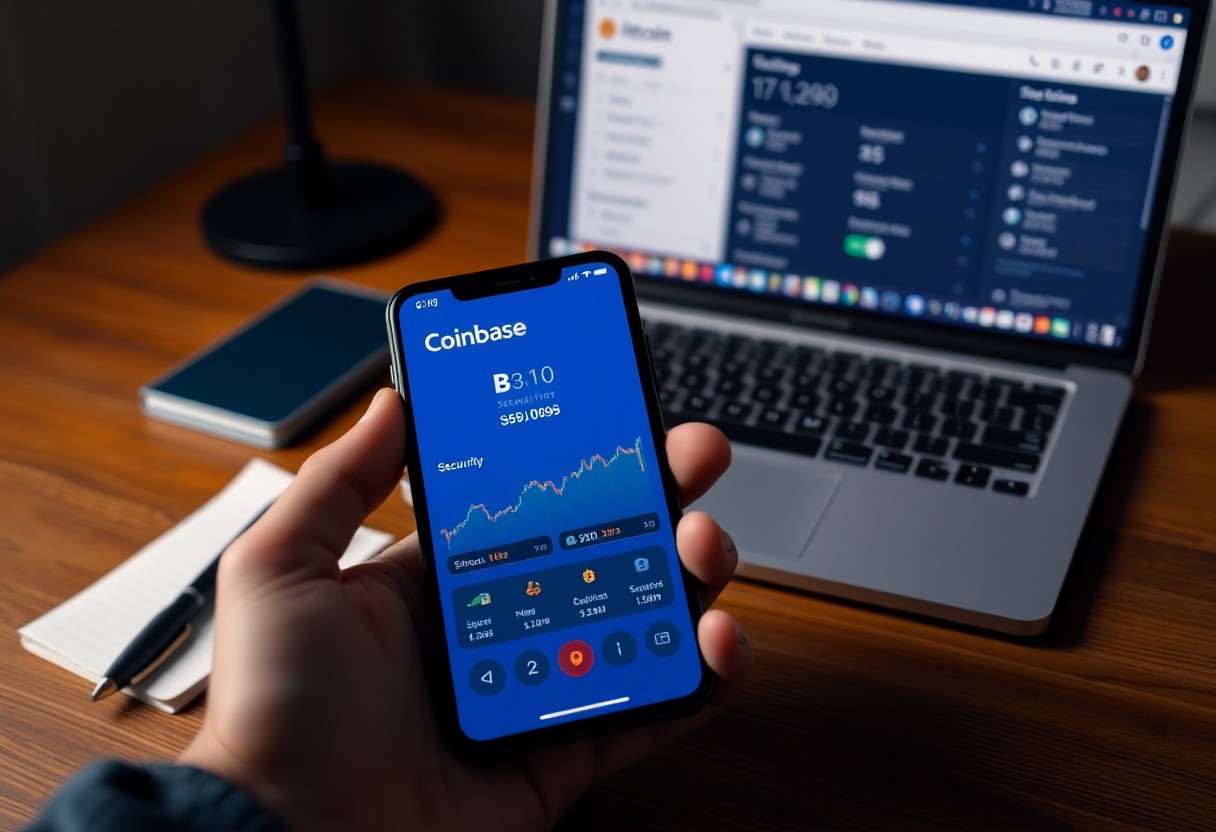
Safety Protocols and Best Practices: Securing Your Investments
With cryptocurrencies gaining popularity, securing your investments on Coinbase is paramount. Utilize the platform’s various safety features to safeguard your assets from potential threats. By implementing best practices such as robust password management and understanding the importance of wallet security, you can confidently navigate the crypto landscape without unnecessary risk.
Two-Factor Authentication: Adding Extra Layers of Security
Two-Factor Authentication (2FA) provides an necessary second line of defense for your Coinbase account. By enabling 2FA, you add an extra step that requires not only your password but also a code sent to your mobile device. This security enhancement can significantly decrease the likelihood of unauthorized access, as a would-be intruder would need both your account credentials and physical access to your phone.
Recognizing and Avoiding Scams: Staying Alert
Your vigilance plays a vital role in safeguarding your investments from scams prevalent in the crypto space. Phishing attempts, where attackers impersonate reliable services to steal login details, are particularly common. Always verify URLs before entering sensitive information and stay informed about the latest scams circulating in the crypto community. Engaging with official sources can provide timely alerts regarding emerging threats.
Scammers often exploit your eagerness to engage in cryptocurrency trading, luring you with fake investment opportunities boasting unrealistic returns. One frequent tactic includes unsolicited messages on social media, claiming to help you double your investment. To avoid falling victim, be skeptical of any opportunity that seems too good to be true and ensure you only communicate with reputable platforms. Regularly monitor the Coinbase website and community forums to stay informed about known scams, enhancing your ability to protect your investments effectively.
To wrap up
With this in mind, using Coinbase as your Bitcoin trading platform opens up a world of opportunities for you as a beginner. By following the steps outlined in this guide, you can confidently navigate the platform, understand its features, and make informed trading decisions. As you continue to familiarize yourself with cryptocurrency trading, keep exploring the various tools and resources Coinbase offers to enhance your experience and grow your investment portfolio effectively.
FAQ
Q: What is Coinbase and why is it considered a good platform for beginners?
A: Coinbase is a user-friendly cryptocurrency exchange that allows individuals to buy, sell, and manage their Bitcoin and other cryptocurrencies. Its intuitive interface, extensive educational resources, and straightforward account setup make it particularly appealing for beginners in the cryptocurrency space. Additionally, Coinbase provides helpful tools such as price alerts and a digital wallet, which further support new users in managing their investments effectively.
Q: How do I create an account on Coinbase?
A: Creating an account on Coinbase is a simple process. First, visit the Coinbase website or download the mobile app. You will need to provide your email address and create a password. After verifying your email, you will need to complete the identity verification process by providing your personal information and, in some cases, uploading identification documents. Once verified, you can link your bank account, debit card, or credit card to start trading.
Q: What payment methods are accepted on Coinbase?
A: Coinbase supports several payment methods making it convenient for users to fund their accounts. You can link and use a bank account, debit card, or credit card. While bank transfers typically have lower fees and are recommended for larger transactions, debit and credit cards provide quicker access to purchasing cryptocurrencies, albeit with higher fees. It’s important to check the specific fees associated with each payment method before making a transaction.
Q: What are the fees associated with trading on Coinbase?
A: Coinbase charges different types of fees depending on the transaction type. When buying or selling cryptocurrency, users may incur a flat fee or a variable fee based on the total transaction amount. Additionally, there may be a spread associated with the exchange rate. Users should refer to the Coinbase fee structure on their website for detailed information on both trading and withdrawal fees, as these can vary based on the user’s location and payment method.
Q: Does Coinbase offer any security features to protect my investments?
A: Yes, Coinbase provides several security features designed to protect users’ investments. All accounts are secured with two-factor authentication (2FA), which requires users to verify their identity using a secondary device. Coinbase also stores the majority of user funds in offline cold wallets to reduce exposure to potential hacks. Additionally, customers can enable advanced security options such as withdrawal address whitelisting to enhance their account’s security further.


