
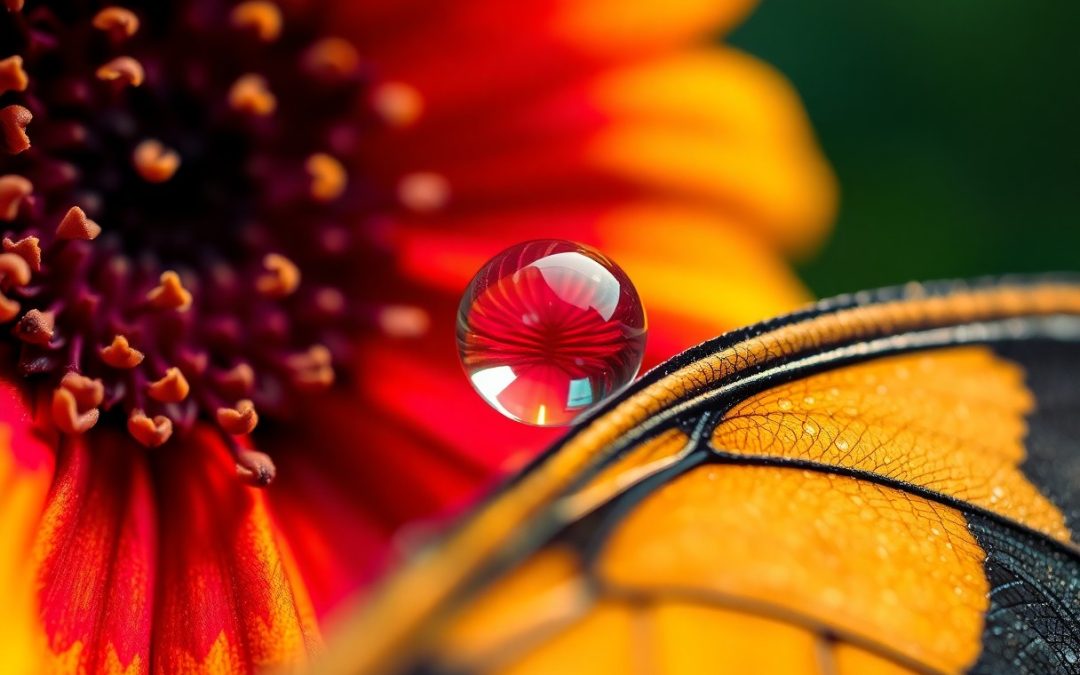
This guide will empower you with innovative techniques to elevate your macro photography skills. You will discover practical tips that range from the right equipment to creative compositional strategies, ensuring that you capture the enchanting details of small subjects in stunning clarity. By following these insights, you can transform ordinary scenes into extraordinary works of art, showcasing intricate textures and vibrant colors that often go unnoticed. Let’s look into the world of macro photography, where every tiny detail tells a captivating story.
Gear That Transforms: The Macrophotography Essentials
Your choice of gear can make a significant difference in macro photography, allowing you to focus on details invisible to the naked eye. Optimal equipment will not only enhance image quality but also streamline your shooting process. Investing in high-quality lenses, sturdy tripods, and additional accessories can elevate your macro work, offering exceptional results that encapsulate the beauty of tiny subjects.
Lenses That Capture the Unseen World
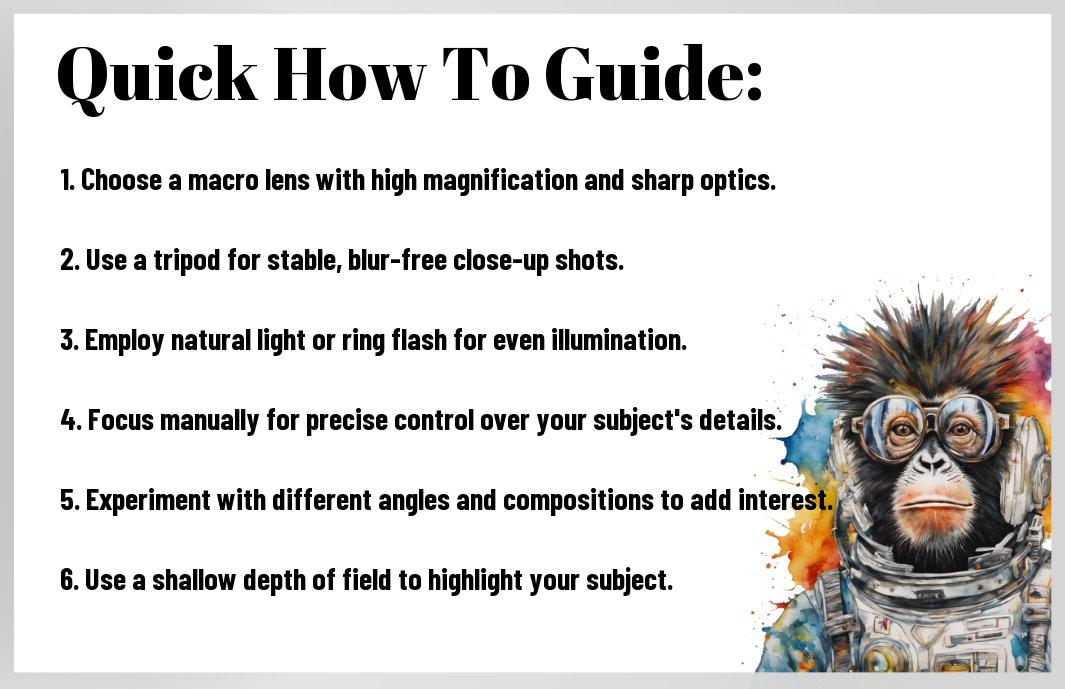
The right lens transforms your approach to macro photography, with options ranging from dedicated macro lenses to extension tubes and reversed lenses. A true macro lens, such as a 100mm f/2.8, offers a 1:1 magnification ratio, enabling you to capture stunning details at a close distance. Versatility in your lenses leads to creativity in composition, allowing you to explore the intricate textures and colors of your subjects.
Must-Have Accessories for Stunning Close-Ups
Equipping yourself with important accessories can dramatically enhance your macro photography experience. Items like a sturdy tripod, ring light or flash, and a focus rail allow for steadiness, optimal lighting, and precise focus adjustments. Neutral density filters can help control light exposure, ensuring captivating images even in bright conditions. Investing in these accessories pays off by improving the detail and clarity of your macro shots.
Among these must-have accessories, a tripod is indispensable for maintaining stability, especially when shooting at high magnifications. Options like an adjustable macro focusing rail let you fine-tune your composition without disturbing the scene. A ring light or diffused flash opens up a world of crystal-clear detail with beautifully balanced illumination, minimizing harsh shadows. For outdoor settings, consider a reflector to bounce natural light onto your subject, enriching your imagery. Each tool complements your artistic vision, ensuring that every subtle nuance is preserved. Embracing these accessories elevates your macro photography to new heights, allowing you to fully express your creative potential.
Mastering Technique: The Art of Macro Composition
Effective macro composition elevates your photography by drawing attention to details that might go unnoticed. Begin by positioning your subject in a way that utilizes negative space; this highlights its intricate features. Experiment with different angles, incorporating natural elements such as leaves or flowers to provide context and enhance visual appeal. Macro photography often thrives on creativity, so be prepared to break traditional rules and develop your style for truly stunning results.
The Rule of Thirds and Beyond
Applying the rule of thirds can be transformative in macro photography. By placing your subject off-center, you create a more dynamic composition. However, venturing beyond this guideline opens up further possibilities. Incorporating leading lines, symmetry, or even central placement can yield breathtaking images, so don’t hesitate to experiment with different compositional techniques until you discover what resonates with your vision.
Creating Depth with Layering and Bokeh
Layering and bokeh are important tools for adding depth to your macro shots. Placing elements in the foreground and background creates a three-dimensional effect, drawing the viewer’s eye into the frame. Simultaneously, employing a wide aperture allows for a beautifully blurred background, isolating your subject and enhancing its details. When these techniques are combined, they transform a standard macro photograph into an immersive experience that captivates onlookers.
To effectively utilize layering and bokeh, start by identifying elements in your environment that can add texture and context to your composition. For instance, a leaf in the foreground or distant flowers can create visual layers. Use a lens with a larger aperture, such as f/2.8 or wider, to achieve that stunning bokeh effect, seamlessly blending the background into soft colors that emphasize your main subject. This combination not only enhances visual interest but also establishes a sense of depth, making your macro photography truly stand out.
Harnessing Natural Light: The Key to Vibrant Macro Imagery
Natural light serves as the foundation for capturing the allure of macro subjects. Soft, indirect sunlight enhances the intricate details of your subjects, revealing textures and colors that artificial lighting might obscure. Position your subject near windows or outdoors to take advantage of this dynamic element. Cloudy days can also provide diffused light, reducing harsh shadows and allowing for a coherent exposure across your composition. Mastering the interplay between light and shadow can significantly elevate your macro photography’s impact, crafting stunning visuals that draw viewers in.
Golden Hours: Timing Your Shoots
The golden hours—shortly after sunrise and before sunset—offer unparalleled lighting conditions for macro photography. During this time, sunlight casts a warm, golden glow that brings subjects to life, enriching colors and amplifying textures. Planning your shoots around these times will yield dreamy, soft-focus images with dramatic contrasts, making your macro photography stand out. By knowing the exact timing of these hours in your locale, you can consistently achieve breathtaking results.
Diffusers and Reflectors: Controlling the Light
Utilizing diffusers and reflectors can dramatically enhance your macro photography setup. Diffusers help soften direct sunlight, preventing blinding highlights and deep shadows that can obscure fine details. Conversely, reflectors bounce light back onto your subject, highlighting intricacies that would otherwise remain hidden. Products such as collapsible diffusers or homemade solutions, like sheer white fabric, are effective options for achieving balanced illumination.
Incorporating diffusers and reflectors into your macro toolkit not only grants you greater control over the exposure but also allows you to create a more polished look. For instance, positioning a simple white poster board as a reflector can significantly brighten the shadows on a flower, revealing its delicate layers without overpowering the shot. Consider experimenting with multiple reflectors or diffusers to refine light direction and intensity further. Embracing these tools can transform ordinary scenes into striking compositions, showcasing the beauty of your subjects in a new light.
Exploring Unique Subjects: Finding Macro Inspiration in Everyday Life
Macro photography invites you to see the world differently, revealing the intricate details of seemingly ordinary subjects. Whether you’re capturing the delicate patterns on a butterfly’s wing or the minute textures of household items, inspiration is everywhere. By shifting your perspective and honing in on smaller subjects, you can unlock a treasure trove of photographic opportunities right in your daily environment.
The Beauty in Nature: Plants and Insects
Nature provides a vibrant palette for your macro photography, with each plant and insect showcasing unique textures and colors. From the fibrous veins of leaves to the dew-kissed petals of flowers, you’ll find incredible diversity. Insects, too, present endless possibilities; a close-up of a bee gathering nectar highlights their fuzzy coats and intricate eyes, grounding each shot in the beautiful chaos of life.
Everyday Objects: Transforming Mundanity into Art
Everyday objects can serve as unexpected subjects in your macro photography journey. A simple paperclip, a worn-out stamp, or splashes of paint can take on a whole new identity under a macro lens. Shifting your focus to these ordinary items prompts you to explore textures, patterns, and colors that often go unnoticed, turning the mundane into captivating art.
Transforming everyday objects into captivating works of art requires a creative mindset and an eye for detail. A close-up of a coffee mug can reveal the unique patterns formed by cracks or scratches, while the worn edges of a book page convey stories untold. Consider the light source and angles to highlight the object’s features; you might be surprised how the shadows play against different surfaces. Utilizing props like colored backgrounds or textured materials can add depth, creating a striking visual contrast that captivates viewers. Engage with these familiar items in new ways, and you’ll discover endless possibilities for compelling macro compositions that breathe life into the ordinary.
Post-Processing Magic: Enhancing Your Macro Shots
Post-processing can transform your macro shots from ordinary to exceptional. By honing in on details, adjusting contrast, and fine-tuning colors, you create images that truly captivate. Use programs to eliminate distractions and draw attention to the intricate features of your subjects. Whether you elevate the vibrancy of a butterfly’s wings or sharpen the texture of a leaf, the right post-processing techniques can enhance the story your image tells, ultimately improving its impact.
Essential Editing Techniques for Macro Photography
Sharpening, noise reduction, and color correction make up the backbone of macro photography editing. Focus on enhancing details without overdoing it; a subtle touch can bring out the fine textures and intricate patterns of your subjects. Highlighting contrasts while ensuring the colors stay true to life will add depth. Cropping can also be a powerful tool to frame your subject effectively, allowing the viewer to appreciate the minute details that often go unnoticed.
Software Recommendations for Professional Finishing
For achieving professional-quality macro images, Adobe Lightroom and Photoshop are top-tier options favored by photographers. For those seeking alternatives, software like Capture One and GIMP provide robust tools for editing and fine-tuning your shots. These platforms offer a range of features that cater to various editing needs, from basic enhancements to complex manipulations.
Adobe Lightroom stands out for its user-friendly interface and efficient workflow, particularly for batch editing. Its powerful cataloging features help you manage large quantities of images, while tools like the adjustment brush allow targeted edits to specific areas, making it ideal for macro shots. On the other hand, Photoshop gives you complete control over your edits, providing advanced features such as layers and selective adjustments, perfect for intricate macro subjects. For those on a budget, GIMP offers a free option without sacrificing quality, making it a valuable alternative for both beginners and seasoned pros alike.
Conclusion
Summing up, mastering stunning macro photography involves leveraging innovative techniques that enhance your ability to capture intricate details. By utilizing tools like extension tubes and focus stacking, along with practical tips for lighting and composition, you can elevate your photography skills. Experiment with different angles and settings, and don’t shy away from utilizing natural elements to add depth to your images. With patience and creativity, you will undoubtedly achieve breathtaking macro shots that showcase the beauty of the miniature world around you.


