
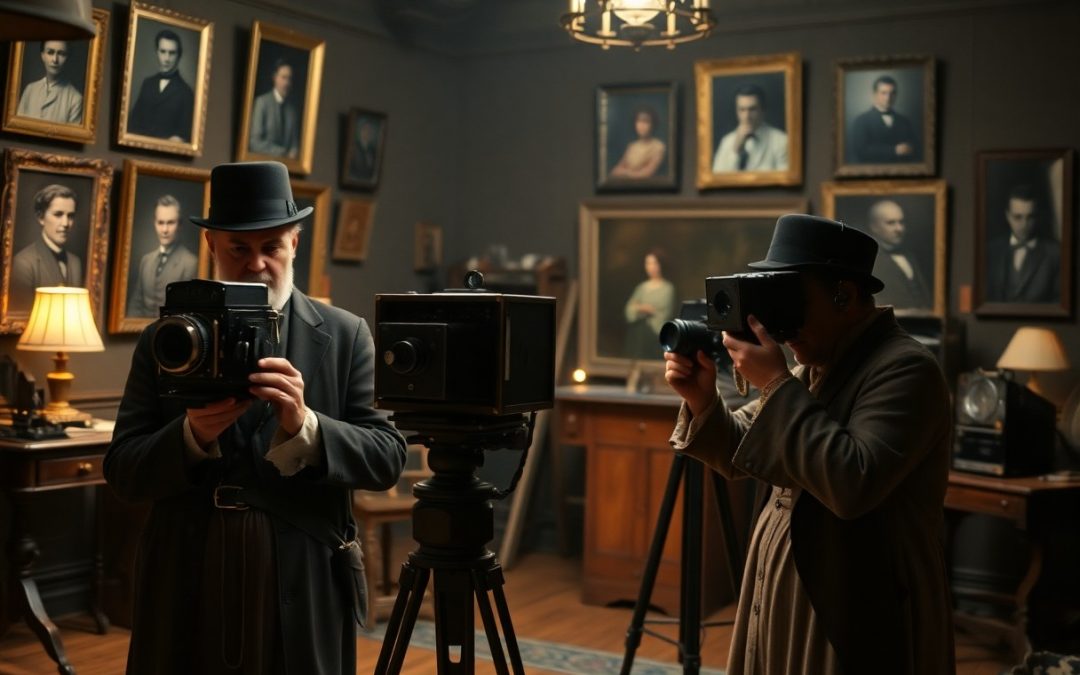
Pioneers in the field of photography have transformed the way you see and understand the world around you. Their innovative techniques and groundbreaking inventions laid the foundation for modern photography, enabling you to capture fleeting moments in time. From the early daguerreotypes to the development of color photography, these visionaries pushed the boundaries of artistic expression and technology. This blog post will guide you through the lives and legacies of those early trailblazers, helping you appreciate how their contributions have shaped your visual experiences today.
The First Snapshots: Early Innovators in Photography
You’ll find that the early days of photography were shaped by innovators whose visions laid the groundwork for capturing moments as we know them today. These pioneers forged ahead with groundbreaking techniques that defied the limitations of their time, setting the stage for an entire industry and art form that continues to evolve. The ambition to freeze time in an image drove these inventors as they developed the first practical methods of photography, paving the way for countless generations of artists and enthusiasts.
Joseph Nicéphore Niépce: The Birth of the Photograph
Joseph Nicéphore Niépce, regarded as the father of photography, captured the world’s first permanent photograph in 1826 or 1827. Using a process called heliography, Niépce exposed a sheet of pewter coated in bitumen for eight hours to create “View from the Window at Le Gras.” This remarkable achievement not only marked the birth of photography but also demonstrated the potential of light to immortalize moments, a concept that was previously unimaginable.
Louis Daguerre and the Daguerreotype Revolution
Louis Daguerre took the foundations laid by Niépce and propelled them into the spotlight with his invention, the daguerreotype, in 1839. This revolutionary process produced detailed images on polished silver plates, drastically reducing exposure times to as little as 30 minutes. Daguerre’s work made photography accessible to the general public for the first time, igniting a passion for capturing life’s fleeting moments. His tenacity and collaborative experiments with Niépce not only refined photographic techniques but also established a commercial framework for the new medium.
Daguerre’s introduction of the daguerreotype captivated the world, leading to exhibitions throughout Europe and in the United States, where people lined up to experience this new art form. With its stunning detail and clarity, the daguerreotype spurred interest in portrait photography and documentation of everyday life, thus laying the foundation for modern photojournalism. You might find it fascinating that within just a few years of its introduction, daguerreotype studios opened in cities worldwide, reflecting the profound demand for visual storytelling that Daguerre had unlocked. This movement not only democratized photography but also forever changed how people perceive and document their lives.
The Art and Science of the Image: Pioneering Techniques
Innovations in photography have consistently blurred the lines between art and science, leading to groundbreaking techniques that have transformed how you capture and perceive images. The early days of photography saw the introduction of the daguerreotype, an intricate process that required meticulous attention to detail. As experimentation continued, various methods emerged, such as tintypes and collodion, each with their unique properties. These innovations not only expanded your options as a photographer but also deepened the emotional and aesthetic resonance of your images, setting the stage for the rich visual narratives to come.
George Eastman: Making Photography Accessible
George Eastman revolutionized photography with the introduction of the Kodak camera in 1888, which simplified the process for everyday users. By marketing the camera as “You press the button, we do the rest,” he allowed you to capture moments without needing extensive technical knowledge. This democratization of photography encouraged masses to engage in the art, effectively launching a new era of amateur photography that fundamentally changed how you record your life.
The Impact of Color Photography and Autochrome Plates
The introduction of color photography marked a significant turning point in capturing visual narratives, allowing you to convey emotions and atmospheres with unparalleled vibrancy. Autochrome plates, developed in the early 20th century, offered a groundbreaking method for creating color images using grains of colored starch. This innovation laid the groundwork for color film and photography, transforming not only the technique itself but also the way you engage with and interpret visual art, ultimately enriching your experience as both a photographer and viewer.
Autochrome plates enabled photographers to produce color images with a level of detail and texture that black and white photography simply couldn’t achieve. Each plate consisted of millions of tiny colored grains, resulting in images that were both vivid and rich in hue. The process, while technically demanding, allowed for a new depth of storytelling, as color could evoke emotions and set tones that black and white images could not. You might find yourself drawn to the subtleties of a sunset or the vibrancy of a lively scene in a way that is profoundly different from monochrome photography. The widespread adoption of color photography not only enhanced your artistic expression but also forever changed how you document life’s fleeting moments.
Breaking Boundaries: The Rise of Photojournalism
The emergence of photojournalism marked a transformative shift in storytelling, where photography evolved from mere documentation to a powerful medium for advocacy and awareness. Pioneers in this field recognized the ability of images to transcend language and cultural barriers, bringing forth compelling narratives that would engage and inform the public. As wars, social issues, and crisis unfolded, photographers ventured into the heart of these events, capturing moments that would provoke thought and inspire action, effectively shaping the course of public opinion.
From Documenting Events to Shaping Public Opinion
Photojournalism progressed from simple event documentation to actively influencing public discourse. Iconic images, often taken amidst chaos and suffering, conveyed visceral emotions, pulling viewers into the narrative. A singular photograph could encapsulate the intensity of a protest, the devastation of war, or the resilience of a community, compelling audiences to confront uncomfortable truths and catalyzing social movements.
Iconic Photojournalists Who Changed the Narrative
Among the pantheon of transformative photojournalists, names like Dorothea Lange and Robert Capa stand out for their ability to capture the human condition. Lange’s haunting image of a migrant mother during the Great Depression and Capa’s infamous shot of a soldier’s last moments during the Spanish Civil War exemplify how photojournalism provides an intimate lens into societal struggles. Their work helped mobilize support for the voiceless, forging a connection between the audience and critical issues facing society.
Consider Dorothea Lange’s “Migrant Mother,” which not only encapsulated the despair of the Great Depression but also drove government action in support of those affected. Similarly, Robert Capa’s impactful images from war zones depicted both the horror and heroism of battle, immortalizing the costs of war in a way that mere words could not convey. These photographers not only reported events; they fundamentally transformed public perception and response, underscoring the potential of photojournalism to inspire change and awareness across generations.
The Digital Frontier: Transforming the Photographic Landscape
The shift from traditional film to digital photography revolutionized the way you capture and share images. This transition has not only enhanced the technological aspects of photography but also redefined the creative process. With instant feedback, you can now experiment with countless effects and modifications, ultimately leading to a more versatile and dynamic experience in capturing your moments.
The Shift from Film to Digital: Key Players
The Democratization of Photography in the 21st Century
The 21st century witnessed an unprecedented democratization of photography, with smartphones bringing high-quality cameras into the hands of millions. As a result, platforms like Instagram and Flickr have transformed the act of sharing images into a social phenomenon. Now, you can effortlessly connect with a global audience, make your voice heard, and participate in visual storytelling, regardless of your background or financial resources.
With the advent of smartphones, nearly everyone has become a potential photographer. Over 3.5 billion people worldwide own smartphones equipped with powerful cameras, making it easier than ever to document daily life and artistic pursuits. This shift has led to diverse styles and aesthetics in photography, as individuals share moments that represent their unique perspectives. Additionally, editing apps and online tutorials have further empowered you to enhance your skills and creativity, ultimately reshaping the landscape of photography as an art form and profession.
Perspectives on Legacy: How Pioneers Influence Modern Photography
The foundations laid by pioneers like Niepce and Daguerre continue to resonate in modern photography. Their innovative techniques and vision challenge you to push boundaries, inspiring contemporary photographers to explore new mediums, subjects, and methods. The philosophies of these historical figures remind you that photography is not merely about capturing a moment but shaping it into an art form that conveys emotion and narrative. You can see their influence in the evolution of genres and techniques that dominate today’s artistic landscape.
Lasting Techniques and Styles from the Pioneers
With these considerations, you gain a deeper appreciation for the pioneers who shaped the history of photography. Their innovations and relentless pursuit of capturing the essence of time paved the way for the vibrant art form you enjoy today. By understanding their contributions, you not only enrich your knowledge but also enhance your engagement with photography, whether as a creator or an appreciative observer. Embrace their legacy and let their stories inspire your own journey in this captivating medium.


