
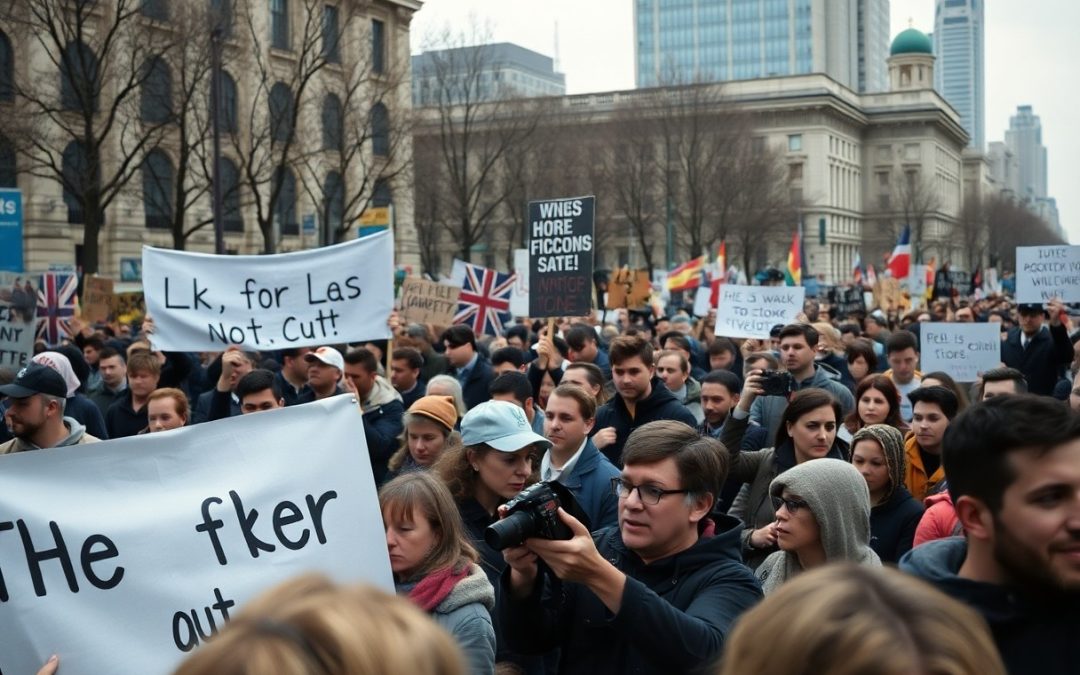
Over time, photography has played a vital role in shaping social movements and influencing public opinion. You may not realize it, but the images captured through the lens have the power to evoke emotions, create awareness, and drive action. From documenting injustices to celebrating victories, photography serves as a compelling visual narrative that can mobilize communities and inspire change. In this post, you will explore how significant photographs have impacted various movements throughout history, illustrating the profound relationship between imagery and social transformation.
Capturing Unseen Realities: The Role of Photography in Social Awareness
Photography serves as a powerful tool for exposing societal issues and instigating change by capturing images that reveal the realities of marginalized communities. By freezing moments in time, photographers provide you with a lens to witness struggles and triumphs previously left unseen. Through evocative imagery, viewers are prompted to confront uncomfortable truths, igniting conversations that can lead to transformative action.
Historical Context: Early Examples of Photographic Impact
In the 19th century, photography began to influence social perspectives significantly. Pioneering works like Matthew Brady’s documentation of the American Civil War or Jacob Riis’s portrayal of tenement life in New York City offered unsettling glimpses into the human condition. These images played a pivotal role in shaping public awareness, encouraging social reform and highlighting the stark contrasts in American society.
Iconic Images that Changed Public Perception
Iconic images often serve as catalysts for change, resonating deeply in the minds of your audience. Consider the haunting photograph of a young napalm victim during the Vietnam War captured by Nick Ut or the striking visuals of the Black Lives Matter movement, which have mobilized protests worldwide. These images not only documented historical moments but also challenged societal norms and inspired action against injustice.
Focusing on the Vietnam War, Nick Ut’s photograph of a young girl fleeing from a napalm attack not only shocked viewers but also shifted public opinion dramatically. Many Americans, previously indifferent to the conflict, were confronted with the harsh realities of war through her terrified expression and charred skin. Such powerful imagery has the potential to galvanize movements, making abstract concepts of injustice all too palpable. Each of these visual stories ignited dialogues that transcended borders, proving that a single photograph can indeed change your perspective and prompt you to advocate for justice.
Visual Narratives that Sparked Movements: The Power of Emotion
Photography transcends mere documentation, capturing emotional truths that resonate deeply within viewers. Your engagement with these visual narratives can elicit empathy, provoke thought, and inspire action. Powerful images, such as a child’s tear-streaked face or a protester’s defiant stance, expose injustices while fostering connections that words alone often fail to achieve. Through these emotive visuals, social movements find a voice, turning personal experiences into collective actions that drive change.
Case Study: The Vietnam War and Its Photographic Footprint
During the Vietnam War, photographers like Nick Ut and Eddie Adams offered haunting images that forever altered public perception. Ut’s photograph of a young girl fleeing a napalm attack encapsulated the war’s devastating human cost, sparking outrage and protests against U.S. involvement. As images circulated through media and homes, they impacted opinion and even influenced political decisions, proving that the lens can wield immense power in shaping historical narratives and mobilizing movements.
The Influence of Candid Photography on Human Rights Advocacy
Candid photography has emerged as a powerful tool for human rights advocacy by revealing the stark realities of injustice. By capturing unscripted moments, photographers expose the often-hidden struggles faced by marginalized communities, prompting public outrage and prompting calls for action. The candid image of a refugee family can humanize a crisis, while visual documentation of police brutality can ignite grassroots movements. These unfiltered representations can transcend cultural and geographical barriers, fostering empathy and demanding accountability from those in power.
Human rights photography thrives on its ability to make the invisible visible. For instance, Getty Images and other platforms have utilized powerful images to support campaigns like the #BlackLivesMatter movement, illustrating that each click of the shutter can resonate with millions. The immediacy of candid photography connects viewers, energizing them to question norms and advocate for change. Groundbreaking projects such as “Humans of New York” also highlight individual stories, allowing you to engage with the lives behind statistics, ultimately transforming awareness into action and fostering a global community devoted to social justice.
Social Media: The Evolution of Image Sharing and Activism
Platforms like Instagram and Twitter have transformed how images are shared, allowing activism to thrive in the digital realm. As you scroll through your feed, you’re likely to encounter powerful visuals that provoke thought, incite change, and mobilize communities. Every day, countless users leverage these platforms to spread awareness about social issues, demonstrating how technology has empowered grassroots movements worldwide.
Viral Moments: How Digital Photography Fuels Real-Time Movements
Digital photography can spark instant awareness, enabling events to go viral within hours. The moment a striking image surfaces online, it ignites conversations and mobilizes supporters. For example, the shocking footage of George Floyd’s death in 2020 galvanized protests across the globe, showcasing how one powerful image can be the catalyst for collective action and societal scrutiny.
The Role of Influencers: Amplifying Voices Through Images
Influencers play a significant role in how social issues are perceived and engaged with online. With millions of followers, they can bring important causes to the forefront simply by sharing compelling images and stories. Your engagement with an influencer’s post about climate change or racial injustice can amplify these messages, potentially reaching audiences far beyond their immediate circle.
Influencers have a unique ability to frame narratives that resonate deeply with diverse audiences, bridging gaps and fostering understanding. When a popular figure shares a personal story related to an issue, their followers are more likely to engage emotionally. For instance, when activists like Greta Thunberg or organizations like Black Lives Matter partner with social media stars, the reach and impact of their campaigns dramatically increase. Your interaction with such content can create ripples, encouraging others to focus on the issues at hand and participate in meaningful dialogue or action.
The Ethics of Representation: Navigating Sensitivity in Photographic Activism
In photographic activism, ethical representation stands at the forefront of impactful storytelling. Sensitive visuals can amplify marginalized voices and highlight pressing social issues, yet they may also risk perpetuating stereotypes or exploiting vulnerable subjects. As you engage with photographic activism, understanding the weight of representation and its implications on community perception is vital. Each image you create or share carries the responsibility to illuminate while respecting the dignity of those depicted, fostering a deeper connection to the causes you champion.
The Fine Line: Balancing Authenticity and Exploitation
Striking a balance between authenticity and exploitation requires intentionality in your work. Authentic imagery reflects real experiences and narratives, while exploitation often reduces individuals to mere subjects without context or consent. Engaging with your subjects respectfully and thoughtfully allows you to capture their stories without sacrificing their integrity. Being aware of the power dynamics at play can help navigate the complexities of representation, ensuring that your work honors their truth rather than objectifying their struggles.
Strategies for Ethical Photographic Practice in Activism
Adopting strategies for ethical photographic practices enhances your activism and builds trust between you and your subjects. Guidelines such as obtaining informed consent, maintaining transparency about your intentions, and prioritizing the voices of those you photograph contribute to a responsible approach. Additionally, investing time in building relationships with communities ensures that their narratives are portrayed accurately, allowing for a more profound and respectful representation that fosters connection and understanding.
Implementing these strategies involves practical steps like conducting pre-shoot meetings to discuss the aims of your project and ensure that participants feel comfortable and respected. You can embrace a collaborative approach, allowing subjects to share how they wish to be portrayed, which not only empowers them but also enriches the authenticity of your images. Regularly reflecting on the impact of your work and revisiting consent over time further solidifies your commitment to ethical representation in photographic activism.
Future of Imagery: Innovations Shaping Social Change in the Digital Age
Innovation in photography continues to reshape how social issues are visualized and shared. The evolution of technology brings forth new tools, from the rise of drones capturing expansive views of protests to smartphones enabling instant sharing across social media platforms. As these innovations emerge, they influence how messages are conveyed and received, amplifying voices that may have previously been marginalized. You find yourself at the intersection of art and activism, where your images can incite action in real time, fostering deeper connections and a more engaged audience.
Augmented Reality and Photography: Engaging New Audiences
Augmented reality (AR) presents exciting opportunities for photography by merging the real and digital worlds. You can create immersive experiences that allow viewers to interact with static images, leading to a deeper understanding of the issues depicted. With AR, photographs can animate narratives, inviting engagement that traditional formats often lack. This innovation not only captures attention but also transforms passive observation into active participation, energizing movements through a more vibrant and interactive medium.
The Intersection of Art and Activism in Contemporary Photography
Contemporary photography thrives at the crossroads of art and activism, where aesthetics blend seamlessly with social commentary. Today, artists like Ai Weiwei and the collective know as the “Social Documentary Network” utilize their craft to challenge societal norms and shed light on pressing issues. You see how photographs morph into powerful tools for social change, often breaking down barriers and promoting dialogue around topics like climate change, racial injustice, and gender equality. Through exhibitions and platforms specifically designed for activist art, the impact is far-reaching, connecting diverse audiences to urgent causes and fostering critical conversation.
Summing up
Ultimately, you can see that photography has played an integral role in shaping social movements throughout history. Each image captures not only moments in time but also the emotions and struggles of communities, urging you to engage with critical issues. By understanding how these powerful visuals have driven change, you can appreciate the importance of photography in advocating for social justice and inspiring collective action. Your awareness of this relationship empowers you to use imagery thoughtfully, whether in your own work or when you encounter powerful visuals that resonate with your values.


