
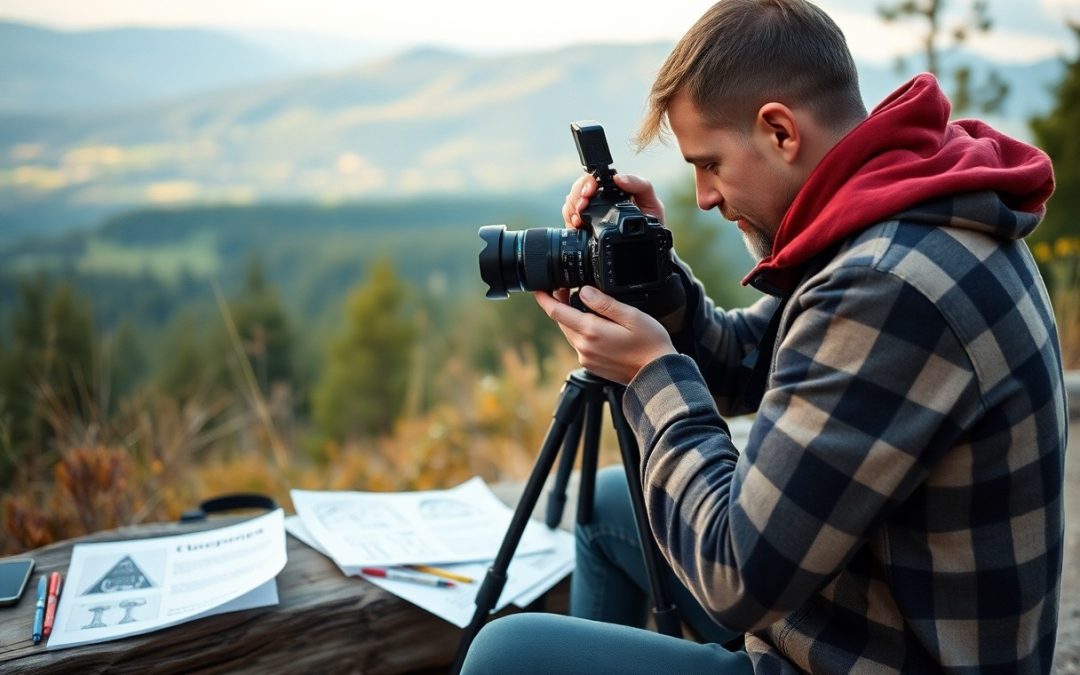
Just as every artist needs a palette, you need creative techniques to elevate your photography skills. In this roadmap, you’ll discover practical tips and innovative approaches that will help you capture stunning images, regardless of your current level. From mastering lighting and composition to experimenting with angles and settings, this guide is tailored to empower you on your photography journey. Embrace your creativity, transform your vision, and let your unique perspective shine through your lens.
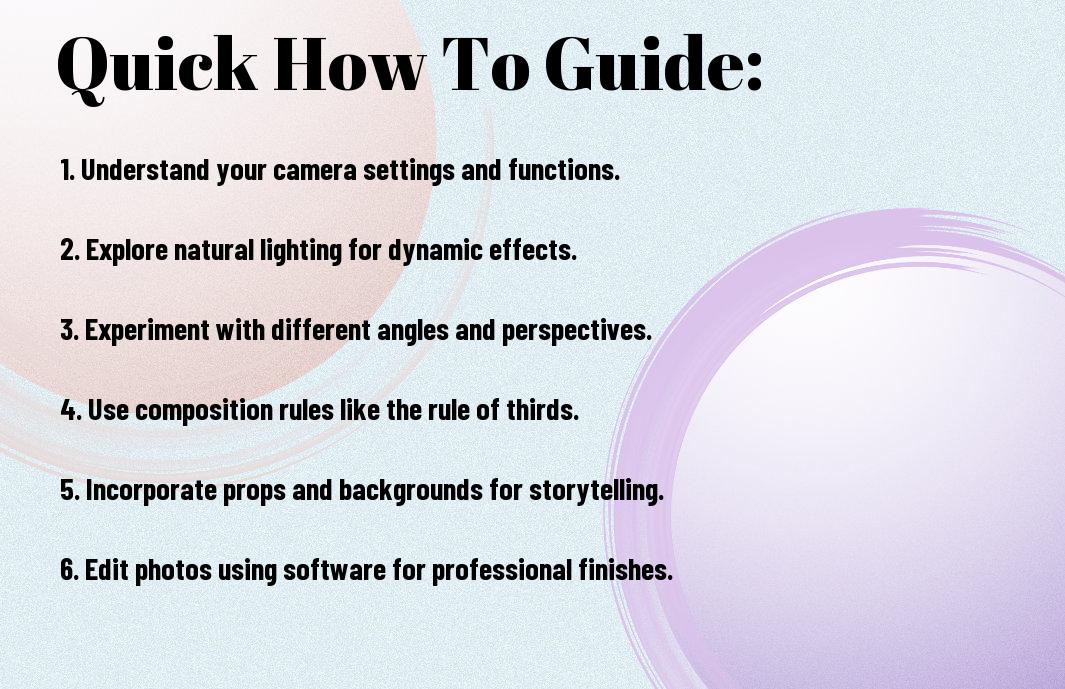

Understanding the Basics of Photography
For anyone stepping into the world of photography, grasping the basics is imperative. Understanding exposure, composition, and lighting will lay the groundwork for your creative journey. These foundational elements influence how your photographs convey emotion and tell stories, enabling you to capture stunning imagery regardless of the equipment you use.
How-to Choose the Right Camera
While selecting a camera, it’s vital to consider your needs and how you intend to use it. Options range from DSLRs to mirrorless and compact cameras, each offering unique features. Evaluate factors like portability, ease of use, and budget to find the perfect match for your photography journey.
Tips for Selecting the Perfect Lens
On your quest for the perfect lens, understanding focal lengths and aperture is key. Each lens serves a different purpose; wide-angle lenses are excellent for landscapes, while telephoto lenses excel in distant subjects. Consider the following tips when making your choice:
- Identify your photography style
- Assess compatibility with your camera
- Explore prime vs. zoom options
The right lens can significantly enhance your creative expression and overall image quality.
Photography often becomes an exploration of various lenses suited for different scenarios. Investing time in learning how each lens works in various lighting conditions and focal lengths can expand your creative possibilities. Consider these points:
- Test the lens before purchasing
- Check reviews and user experiences
- Understand its minimum focusing distance
The better-informed you are about lenses, the more empowered you’ll feel in your photography decisions.
Factors Influencing Image Quality
Knowing how various factors influence image quality will help you elevate your photography. Elements such as lighting, camera settings, and lenses play significant roles in determining the final result. Prioritize understanding these aspects to enhance the visual appeal of your photographs.
- Use proper lighting for your scene
- Pay attention to camera settings
- Consider the environment where you’re shooting
Knowing how to manipulate these elements leads to more polished and professional-looking images.
Tips for enhancing image quality include practicing different techniques that focus on maximizing light and clarity. Experimenting with various settings and shooting conditions will arm you with knowledge imperative for mastering photography. Keep these pointers in mind:
- Utilize natural light effectively
- Maintain proper focus and exposure
- Post-process your images thoughtfully
Knowing how to adjust these factors will ultimately improve your skills and make your photography stand out.
Selecting the right gear and understanding imperative concepts will set a strong foundation for your photography journey. Embrace these basics while cultivating your unique style, and you will be well on your way to creating stunning photographs.
Mastering Composition Techniques
It is vital to understand composition when creating stunning photographs. Mastering composition techniques allows you to enhance the story your image tells, drawing viewers in and capturing their attention. With a solid grasp of these techniques, you can elevate your photography game and make every shot count.
How-to Frame Your Shot
You should consider the elements within the frame carefully. Framing your shot effectively can enhance the subject and create a more aesthetically pleasing image. Look for natural frames in your environment, such as branches, windows, or doorways, to draw the viewer’s eye toward the main focus of the photograph.
Tips for Leading the Eye
On a well-composed image, the viewer’s eye will naturally flow through the elements of the frame. To achieve this, employ techniques that guide the viewer’s gaze through your photograph, creating a sense of movement and interest. Consider the following tips:
- Utilize lines to direct attention, such as roads or rivers.
- Place your subject in line with other elements to connect the scene.
- Experiment with color contrast to highlight dominant features.
- Incorporate framing elements that guide the eye to the focal point.
After applying these techniques, your photography will have a dynamic quality that engages the viewer from the very first glance.
Understanding how to lead the eye with these techniques can transform your images significantly. Utilizing lines, colors, and framing not only draws attention to your subject but also establishes a narrative within your work. Consider these additional methods:
- Use negative space to emphasize your subject.
- Create depth by layering elements in the foreground, midground, and background.
- Incorporate movement to evoke emotion or action.
- Experiment with different angles to find the most dynamic view.
After you practice these techniques, the impact of your photography will become more vivid and compelling.
Factors of Balance and Symmetry
While composing your photograph, aim for a sense of balance and symmetry that creates harmony within the frame. Achieving balance can be done by distributing visual elements evenly, ensuring that no single part of the image overwhelms the others. You can either work with symmetry for a formal look or embrace asymmetry for a more dynamic composition.
- Consider the Rule of Thirds to place your subject creatively.
- Keep an eye on the distribution of light and colors.
- Be mindful of the edges of the frame and how they interact.
- Use contrasting elements to create a deliberate imbalance.
Assume that maintaining balance is vital to crafting an engaging photograph that resonates with your audience.
With practice, recognizing the factors of balance and symmetry will become second nature. The arrangement of visual elements can significantly alter your photo’s impact. Reflect on these points to deepen your understanding:
- Experiment with different compositions to find the best balance.
- Take time to analyze photos that resonate with you for inspiration.
- Consider how the background interacts with your subject.
- Create visual tension using dissonance in asymmetrical compositions.
Assume that by embracing these factors, you will elevate your photography and create images that leave a lasting impression.
Harnessing Light for Stunning Effects
Despite the challenges that come with capturing beautiful photographs, mastering light can elevate your images to a whole new level. Understanding how light interacts with your subject can create stunning effects, whether through natural or artificial sources. You will discover techniques to control light effectively, enhancing the overall quality and mood of your photographs.
How to Use Natural Light
Even the simplest subject can transform dramatically with natural light. An ideal time to shoot is during the golden hour—the hour after sunrise and before sunset. Positioning your subject near windows or outdoors can provide soft, flattering light that enhances details and textures in your shots.
Tips for Working with Artificial Light
Light sources allow you to create distinctive moods in your photography. Familiarize yourself with various artificial lighting options, such as speedlights, softboxes, and LED lights. Here are some tips for working with artificial light:
- Utilize diffusers to soften harsh shadows.
- Experiment with different angles to find the most flattering position.
- Balance your artificial light with existing light to achieve a natural look.
After applying these techniques, you’ll notice how artificial light can work wonders in your photography.
Stunning photographs often come from understanding your light sources. Don’t hesitate to play with intensity, direction, and color temperature. You can create dramatic contrasts and highlights by adjusting the distance from your subject while also experimenting with modifiers. Here are further considerations:
- Use gels to change the color temperature of your lights.
- Try combining multiple light sources for more complexity.
- Consider your backdrop and surroundings, as they can reflect or absorb light.
After striving for the right combination, your photographs will display dynamic contrasts and textures and invite viewers to fully engage with your work.
Factors Affecting Exposure
On your journey as a photographer, understanding exposure is key. A well-exposed photo balances the light levels of your subject and background. Pay attention to elements such as aperture, shutter speed, and ISO settings while shooting. Take time to note the following factors:
- Aperture affects the depth of field and light entry.
- Shutter speed influences motion blur and exposure length.
- ISO controls the camera sensor’s sensitivity to light.
After adjusting these settings, you’ll gain greater control to achieve the perfect exposure for your scenes.
Exploring these exposure factors will help you refine your photography skills. Assessing the interplay among aperture, shutter speed, and ISO allows you to capture the essence of your subjects. Here are more details to guide you:
- Adjust your settings based on lighting conditions—brighter scenes require different settings than dimly lit environments.
- Experiment with manual mode for hands-on learning and to gain better insight into your camera’s capabilities.
- Practice taking photos at various exposures to see firsthand how they differ.
After frequent practice, understanding and mastering exposure will become second nature, allowing you to focus more on creativity and storytelling in your photography.
This comprehensive approach to understanding light—both natural and artificial—will enhance your photography techniques significantly. By embracing light’s effects and manipulating exposure settings, you position yourself closer to creating stunning visuals that resonate with your audience.

Exploring Creative Techniques
After mastering the basics of photography, it’s time to probe exploring creative techniques that can elevate your work. These methods not only enhance your skills but also allow your artistic vision to shine. By experimenting with unique styles and settings, you’ll start to find your own photographic voice and create stunning images that engage viewers.
How-to Experiment with Long Exposure
Howto experiment with long exposure involves using a slower shutter speed to capture movement over time. Begin by setting your camera on a sturdy tripod. Adjust the shutter speed according to the action you want to freeze or blur. This technique works well for capturing dynamic scenes, such as flowing water or busy cityscapes, to deliver a sense of depth and time.
Tips for Capturing Motion
Techniques for capturing motion can dramatically enhance your photography. Start by selecting a fast shutter speed to freeze the action or a slow shutter speed for dynamic blurs. Experiment with panning to create a sense of speed, and consider varying your angles for different perspectives.
- Choose the right gear, like a fast lens.
- Practice different settings to understand their effects.
- Explore various lighting conditions for unique outcomes.
Perceiving movement uniquely can add life to your images.
To effectively implement tips for capturing motion, keep your camera steady for sharper images. Shoot in continuous mode to increase your chances of getting the perfect shot during fast-paced action. Additionally, adjust your focus settings to track moving subjects more effectively.
- Analyze the subject’s movement path before shooting.
- Consider using burst mode for quick sequences.
- Incorporate storytelling by capturing movement dynamics.
Perceiving motion gives your photos an artistic touch that resonates with viewers.
Factors to Consider for Unique Perspectives
Tips for finding unique perspectives in photography can transform ordinary scenes into extraordinary images. Experiment with low or high angles and uncommon framing techniques to discover fresh viewpoints. Use foreground elements to create depth, and be mindful of natural lines that draw the eye to your subject.
- Explore different locations and backgrounds.
- Utilize reflections to add complexity.
- Incorporate leading lines to guide viewers.
Any change in perspective can lead to innovative compositions that captivate audiences.
Creative factors to consider for unique perspectives include understanding the interplay between light and shadow. Utilize various light sources to affect mood and texture, and don’t hesitate to get up close for detailed shots.
- Engage with your environment to inspire creativity.
- Think outside the box; unconventional approaches often yield stunning results.
- Continuously seek new angles and subjects to broaden your portfolio.
Any effort you put into exploring perspectives will significantly enrich your photographic journey.
Editing Your Images
Once again, the magic of photography can truly come alive in the editing phase. This is where you enhance your images, fine-tuning details to bring out the best in your shots. Whether it’s adjusting lighting, color correction, or cropping for composition, the right edits can transform a good photo into a stunning piece of art.
How-to Use Photo Editing Software
On your journey to mastering photography, becoming familiar with photo editing software is vital. Start by exploring user-friendly options like Adobe Lightroom or Canva. Import your images, experiment with various tools, and gradually learn features such as layering, filters, and export settings to elevate your workflow.
Tips for Enhancing Your Photos
Clearly, enhancing your photos can significantly improve their visual appeal. Focus on a few key areas to achieve impressive results:
- Adjust brightness and contrast for depth
- Experiment with saturation and vibrancy to make colors pop
- Utilize sharpening tools to bring out details
- Consider cropping for better composition and focus
The right approach can truly elevate your photography, enticing viewers to engage with your work.
Tips for enhancing your photos may include refining your editing techniques over time. Always keep these ideas in mind:
- Be mindful of over-editing, which can detract from authenticity
- Create a consistent editing style to enhance your brand
- Use presets for efficiency and cohesion across your portfolio
The path to becoming a skilled editor is paved with practice and experimentation.
Factors to Keep in Mind when Editing
Even as you navigate the editing realm, several factors should influence your decisions. Understand the purpose of each photo and the message you wish to convey, as this will guide your editing process:
- Maintain a balance between creativity and realism
- Consider your target audience when making adjustments
- Observe trends but add your unique voice
Thou must remember that editing is an artistic choice that reflects your vision.
Photo editing is more than just fine-tuning; it involves storytelling and expressing your distinctive style. Keep in mind:
- Practice patience; great results take time
- Seek feedback to grow and improve your skills
- Explore various editing styles to find what resonates with you
Thou should not hesitate to push creative boundaries as you develop your editing approach.

Building Your Photography Portfolio
Now that you’ve honed your skills, building a photography portfolio is your next step to showcase your talent and attract potential clients or collaborations. A well-curated portfolio reflects your unique style and the range of subjects you can capture. Focus on quality over quantity, ensuring each photo represents your best work. Make it easy for viewers to navigate through your collection, allowing them to truly immerse themselves in your photography journey.
How-to Showcase Your Work
Some effective ways to showcase your work include creating a diverse selection of images, maintaining a cohesive style, and presenting your art in visually appealing formats. Aim to display your best shots across various categories, such as landscapes, portraits, or candid moments. Share the stories behind your images to engage your audience and build a connection.
Tips for Creating an Online Presence
Creating an online presence is crucial for promoting your work and connecting with a broader audience. Utilize various platforms to display your photography:
- Set up a personal website to showcase your portfolio.
- Use social media profiles specifically for your photography.
- Engage with photography communities and groups online.
Knowing various platforms can help you discover where your audience engages most and expand your reach.
With social media and website options available, ensure you actively update your online presence with fresh content. Regularly posting new work not only keeps your audience engaged, but also showcases your growth as a photographer. Consider writing blog posts, sharing behind-the-scenes insights, and connecting with your followers to build a loyal community around your art.
- Promote your work on multiple social media channels.
- Participate in online photography contests or challenges.
- Collaborate with fellow photographers to cross-promote.
Knowing a variety of strategies will keep your presence dynamic and help you carve out your niche online.
Factors in Gaining Exposure as a New Photographer
An effective strategy for gaining exposure is to actively seek opportunities to showcase your work. Collaborating with local businesses, participating in events, and submitting to art shows can vastly increase your visibility. Stay proactive and embrace every chance to promote your art in physical and online spaces.
- Attend photography workshops or local art fairs.
- Network with industry professionals and fellow photographers.
- Participate in online forums and share your knowledge.
Knowing your local market and utilizing all avenues available can significantly enhance your exposure.
Aiming for exposure requires you to be strategic in your efforts while remaining authentic to your style. Look for opportunities to collaborate with local artists and businesses that align with your vision. Building strong relationships within the industry can open doors for future projects and referrals, increasing your visibility over time.
- Seek connections with local art galleries for exhibitions.
- Identify online forums where photographers share and critique work.
- Establish relationships with magazines or blogs that feature photography.
Knowing the right connections can provide you with a platform and amplify your voice as a new photographer.
Summing up
From above, mastering creative how-to techniques for stunning photography is an exciting journey that empowers you to explore your passion and express your unique vision. By understanding key principles like composition, lighting, and post-processing, you can elevate your skills and transform ordinary scenes into extraordinary images. As you practice and experiment, you’ll develop your style and confidence. Embrace your creativity, apply the tips outlined, and watch your photography evolve into a captivating visual storytelling tool that reflects your perspective.


