
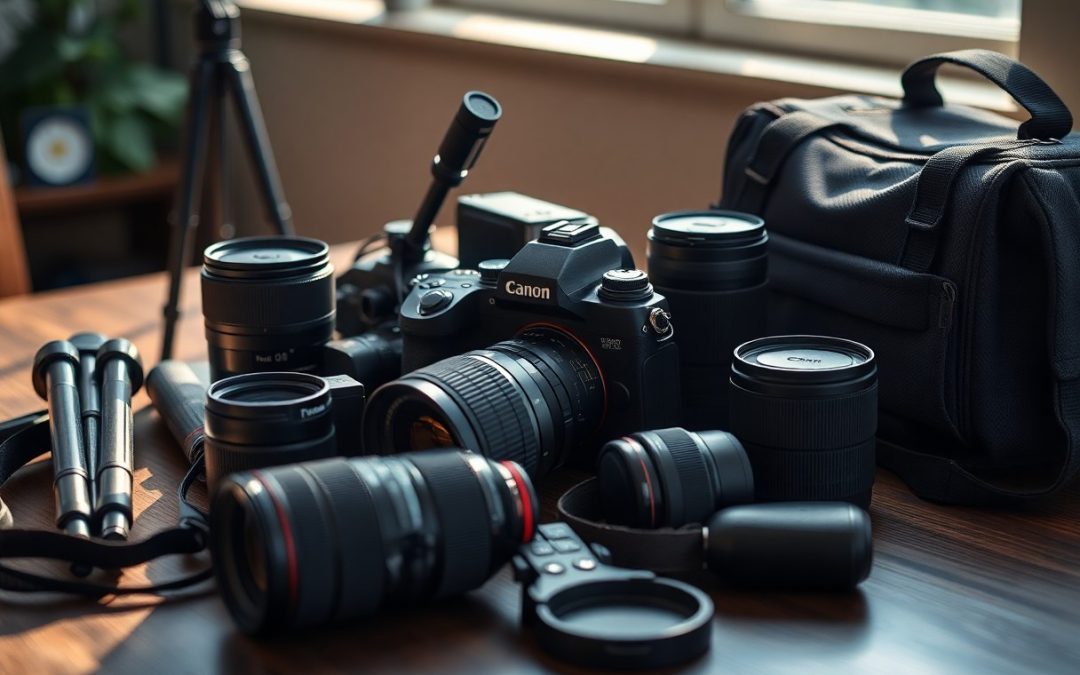
Tips for understanding your photography gear can significantly enhance your shooting experience and the quality of your work. Choosing the right equipment may seem overwhelming, but by considering your specific needs and the types of photography you enjoy, you can make informed decisions. In this post, you’ll explore imperative factors to think about when selecting cameras, lenses, and accessories that will best suit your style and goals, ultimately empowering you to capture stunning images with confidence.
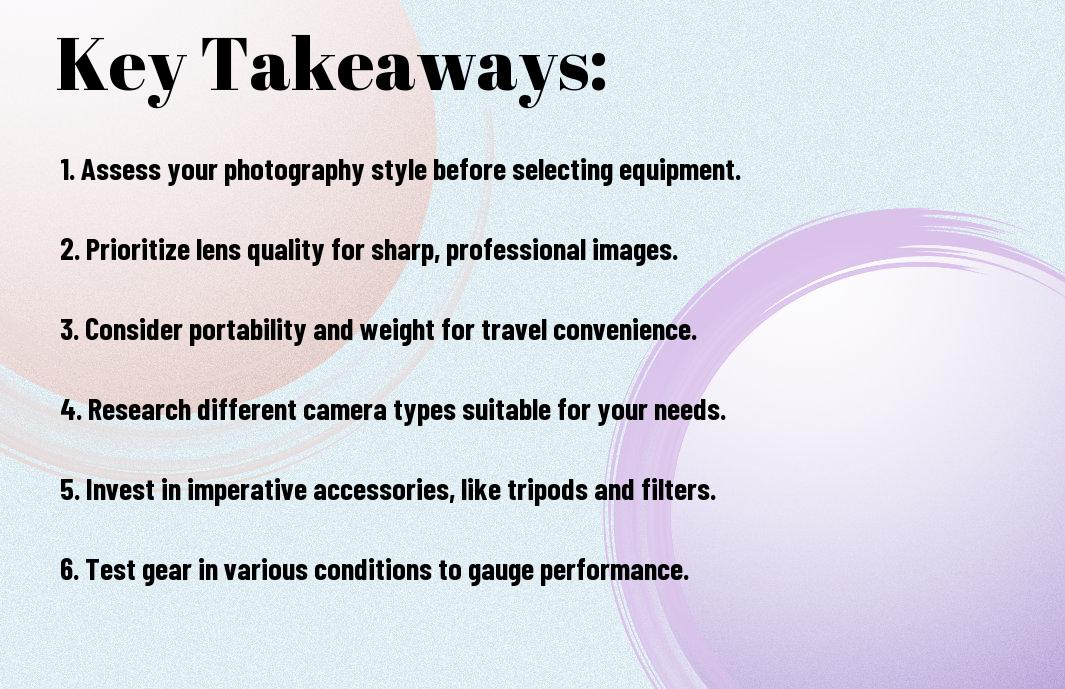
Understanding Camera Types
The camera type you choose greatly influences your photography experience and outcomes. Each type serves various needs and preferences, from novice to expert. Understanding these options helps you make an informed decision:
| Camera Type | Features |
| DSLR | Interchangeable lenses, optical viewfinder, better battery life |
| Mirrorless | Interchangeable lenses, electronic viewfinder, typically lighter |
| Compact | Fixed lens, lightweight, typically user-friendly |
| Point-and-Shoot | Automatic settings, portable, affordable |
| Smartphone | Integrated camera, easy sharing, great for everyday use |
Perceiving the differences in camera types will empower you to select the right gear for your needs.
DSLRs vs. Mirrorless
After considering your photography needs, you’ll want to explore the differences between DSLRs and mirrorless cameras. DSLRs are known for their optical viewfinders and longer battery life, while mirrorless options offer a compact design and nearly silent operation. Overall, both have advantages, but your choice should align with your shooting style and preferences.
Compact and Point-and-Shoot Cameras
After exploring other options, it might be beneficial to consider compact and point-and-shoot cameras. These types are designed for convenience, making photography accessible to everyone, regardless of skill level.
Point-and-shoot cameras have simplified controls and automatic settings, perfect for beginners or casual photographers. Their lightweight and portability make them ideal for traveling or daily use. While they may lack the advanced features of DSLRs or mirrorless cameras, they still capture impressive images, making them excellent for spontaneous moments. By choosing a point-and-shoot, you can focus more on capturing the moment rather than adjusting settings.
Essential Lenses
One of the most important decisions you’ll face in your photography journey is selecting the right lens for your needs. Lenses are key to capturing the desired image quality and composition. By understanding the various types of lenses available, you can significantly enhance your creative potential and ensure you’re equipped for different shooting scenarios, whether it’s landscapes, portraits, or close-ups.
Prime vs. Zoom Lenses
The choice between prime and zoom lenses often hinges on your shooting style and the flexibility you require. Prime lenses have a fixed focal length, offering superior image quality and wider apertures for low-light situations, while zoom lenses provide versatility, allowing you to capture a variety of focal lengths without changing your lens. Consider what best suits your photography needs.
Specialty Lenses for Unique Needs
Beside the standard options, specialty lenses can significantly elevate your photography experience by catering to specific styles or conditions. These lenses, ranging from fisheye to macro and tilt-shift, allow you to explore creative angles and detailed subjects that standard lenses might miss.
Specialty lenses not only help you achieve unique effects but also expand your creative toolkit. For instance, macro lenses enable you to capture stunning close-ups of tiny subjects, revealing intricate details often overlooked. Fisheye lenses produce dramatic, wide-angle distortion, perfect for achieving striking perspectives, while tilt-shift lenses offer control over depth of field and perspective correction, making them excellent for architectural photography. Understanding how and when to use these specialty lenses can open up entirely new possibilities in your photographic exploration.
Choosing the Right Accessories
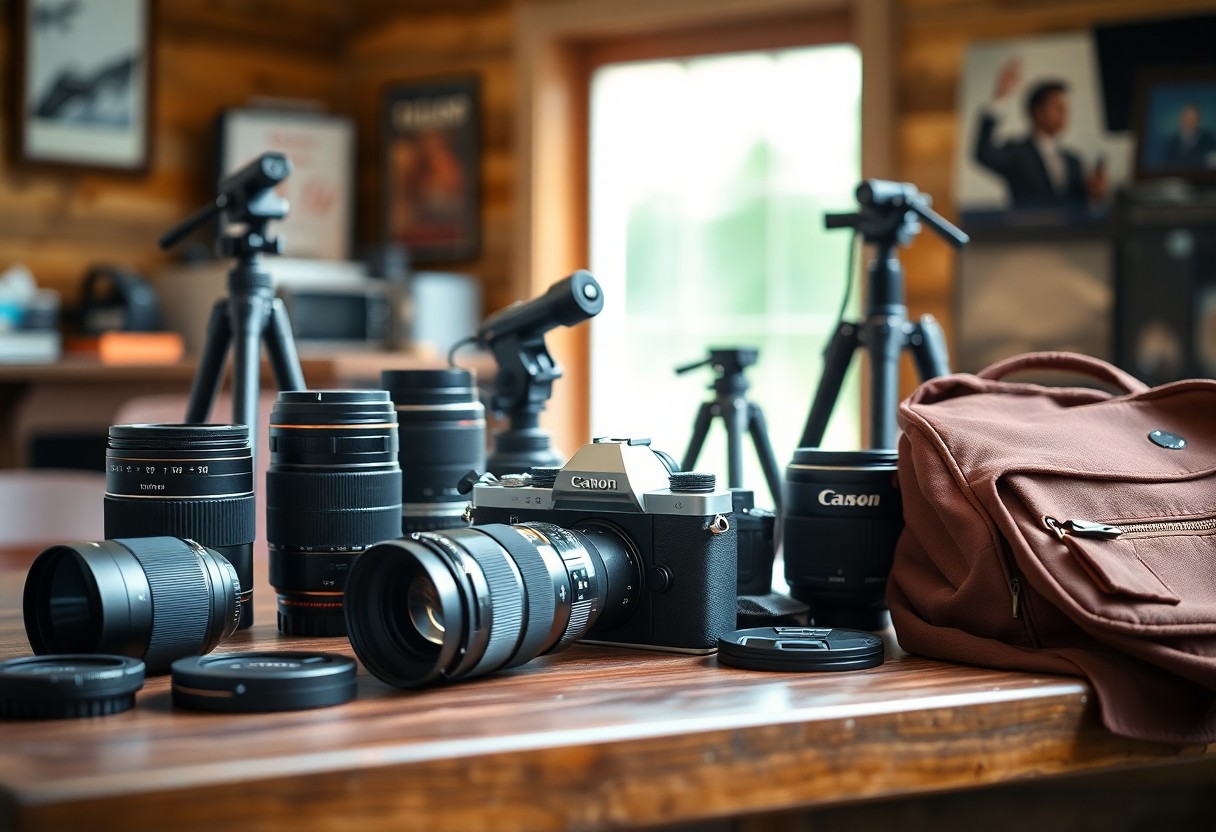
Once again, selecting the right accessories can significantly enhance your photography experience. Think about your shooting style and the specific demands of your projects to determine which accessories you need. From tripods to bags, each accessory plays a role in optimizing your workflow and improving your results. Take the time to research and invest in gear that complements your primary equipment and elevates your photography game.
Tripods and Stabilizers
The right tripod or stabilizer can make all the difference when capturing sharp, clear images. Depending on your shooting style, whether it’s landscapes or action shots, look for a tripod that offers stability and ease of use. Consider a stabilizer for video projects, as smooth motion is vital to professional-looking footage.
Lighting Equipment
After selecting your camera and lenses, the next step is understanding the importance of lighting equipment in your photography toolkit. Proper lighting can elevate your images, bringing out detail and enhancing mood. Whether it’s natural light modifiers, external flashes, or continuous lights, choose tools that suit your shooting circumstances.
Accessories like softboxes, reflectors, and LED lights play an crucial role in helping you achieve the desired effect in your photographs. Invest in high-quality lighting equipment that allows you to manipulate light effectively, giving you the flexibility to shoot in various environments. With the right lighting, you can transform ordinary scenes into stunning visuals that truly reflect your creative vision.
Evaluating Image Quality
Many photographers often overlook the importance of evaluating image quality when selecting their gear. Understanding factors such as sensor size, resolution, color depth, and dynamic range can significantly impact the final outcome of your images. By focusing on these elements, you can make informed choices that enhance your photography and meet your creative vision.
Sensor Size and Resolution
An crucial aspect of image quality is the sensor size and resolution of your camera. A larger sensor typically captures more light, resulting in better detail and performance in low-light conditions. Higher resolution allows for larger prints and cropping flexibility, giving you more options during post-processing. When choosing your gear, consider the balance between sensor size and resolution to achieve your desired photographic results.
Understanding Color Depth and Dynamic Range
At the heart of image quality are color depth and dynamic range, both of which significantly influence your photographs. Color depth refers to the number of colors a camera can capture, allowing for richer and more accurate hues. Dynamic range, on the other hand, determines the range of tones from the darkest shadows to the brightest highlights, crucially influencing detail retention in both extremes.
And as you explore different gear, pay attention to the specifications regarding color depth and dynamic range. Cameras with higher bit depths can record more nuanced color variations, while those with broader dynamic ranges excel in handling challenging lighting conditions. Selecting equipment that offers superior color depth and dynamic range will ensure your images reflect the vibrant, detailed scenes you experience in life.
Budgeting for Your Gear
Keep in mind that understanding your budget is vital when selecting photography equipment. Photography gear can range from affordable to very expensive, and balancing quality with financial limitations is key. Set a budget that aligns with your needs, skills, and goals, allowing you to invest in the right tools without overspending.
Setting a Realistic Budget
The first step in budgeting for your gear is to evaluate your current financial situation and determine how much you can comfortably allocate for photography equipment. Consider your immediate needs versus long-term aspirations, and remember to include potential hidden costs, such as lenses, accessories, and ongoing maintenance.
Balancing Quality and Cost
To make informed decisions, it’s important to find a balance between the quality of equipment and its cost. Investing in high-quality gear can enhance your photography experience, but overspending on unnecessary features or brands can strain your budget.
And while you may be tempted to go for the latest models or the most popular brands, it’s often beneficial to assess what features you genuinely need. Research and compare options within your budget range, focusing on reviews and expert opinions. You can often find reliable equipment that meets your requirements without forgoing quality, enabling you to grow as a photographer without compromising your finances.
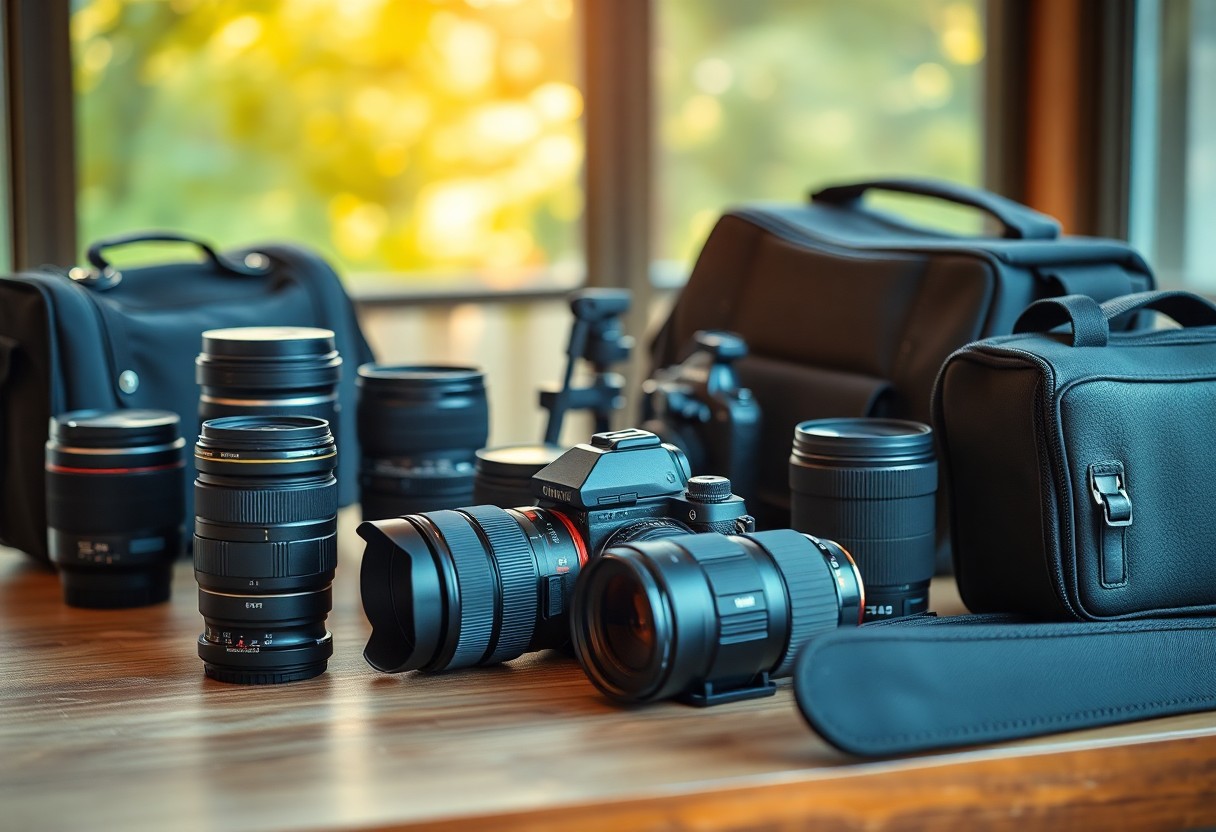
Keeping Your Gear in Top Shape
After investing in quality photography equipment, it is crucial to maintain your gear to ensure the best performance and longevity. Regular checks and proper care will keep your camera and lenses functioning optimally, enabling you to capture stunning images without interruption.
Maintenance and Cleaning Tips
Any photographer knows that keeping gear clean is vital. Establish a routine cleaning schedule and use the right tools for your equipment. Consider these tips:
- Use a microfiber cloth for lenses and screens.
- Blow away dust with a bulb blower.
- Store your gear in a protective and dry case.
- Avoid exposing equipment to extreme temperatures.
Recognizing the importance of upkeep will help you maintain your gear’s performance.
Seeking Professional Repairs
Along with preventive maintenance, seeking professional assistance when issues arise is crucial. If you notice any significant malfunctions or damage, do not hesitate to consult a technician or service center. An expert can properly diagnose problems and offers the experience required for reliable repairs.
And when you choose to seek professional repairs, ensure you select authorized service providers to maintain your equipment’s warranty. This not only guarantees quality work but also protects your investment. Understanding when to consult the professionals can save you time, effort, and future expenses on your photography gear.
Conclusion
Drawing together the insights shared in this guide, you can confidently navigate the myriad of photography equipment available. By understanding your specific needs and preferences, you can select gear that enhances your creative vision and suits your shooting style. Whether you opt for a versatile camera or specialized lenses, investing in the right equipment will significantly elevate your photography experience. Keep exploring, experimenting, and refining your choices to capture the stunning images you envision.


