

There’s a world of techniques that can elevate your ability to capture genuine emotions in any context, whether through photography, writing, or other forms of expression. By employing surprising tricks rooted in psychology and observation, you can enhance your skills and create connections that resonate with your audience. This post will guide you through effective strategies that allow you to tap into authentic feelings, making your work not only more relatable but also unforgettable. Get ready to explore methods that enrich your creative toolkit and deepen the emotional impact of your projects.
Understanding Authentic Emotions
To truly capture the essence of meaningful experiences, you must first grasp the concept of authentic emotions. These emotions arise spontaneously, reflecting genuine feelings rather than those manufactured for appearances. When you connect with these raw sentiments, you create a deeper impact in your storytelling and communication, allowing your audience to resonate with the truth behind what you express.
Defining Authenticity in Emotions
An authentic emotion is an unfiltered expression of your feelings, stemming from personal experiences and perspectives. It’s about displaying true vulnerability rather than adopting a facade that conforms to social expectations or pressures. When you embrace authenticity in your emotional expressions, you invite others to engage more sincerely with your message.
The Importance of Authentic Emotional Capture
Beside enhancing the depth of your narrative, capturing authentic emotions fosters genuine connections with your audience. When you express real feelings, those who engage with your content are more likely to empathize and relate, leading to a richer interaction.
Emotional transparency not only strengthens your bond with your audience but also elevates your work’s impact. When your expressions match your true feelings, your audience feels that honesty, forging trust and rapport. This balance allows your storytelling or communication to appeal on a more profound level, inviting appreciation and understanding that can resonate far beyond the surface. In essence, harnessing authentic emotions paves the way for powerful connections in both personal and professional realms.
Techniques for Capturing Emotion
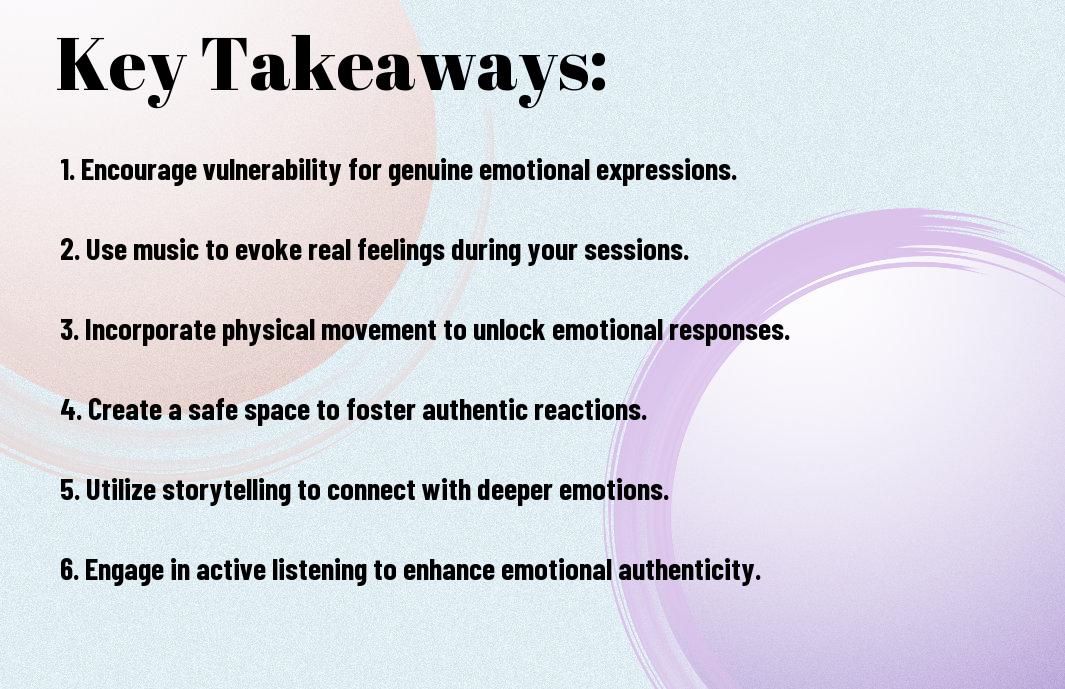
There’s a powerful array of techniques you can employ to capture authentic emotions in your work. By mastering these methods, you can evoke genuine responses that resonate deeply with your audience. From prompting vulnerability to leveraging the surrounding environment, you can create a more meaningful connection that elevates your storytelling or visual endeavors. Utilize these techniques to transform fleeting moments into lasting impressions.
The Power of Vulnerability
Behind every authentic emotion lies a layer of vulnerability. Embracing this concept allows you to unveil the true feelings of your subjects, creating a space where they feel safe to express themselves. You can encourage openness by sharing your own experiences and struggles, fostering a trusting atmosphere that brings forth genuine emotions. This connection often results in more impactful and relatable visuals.
Utilizing Environment and Context
Emotion can be captured by thoughtfully considering the surrounding environment and context in which your subjects find themselves. By placing individuals in settings that resonate with their feelings, you deepen their emotional expressions. For example, a serene beach can evoke tranquility, while a bustling city can reflect chaos. Pay attention to the details of the location and how they interrelate with your subjects’ emotions to enrich your narrative or visual storytelling.
Capturing genuine emotions effectively involves recognizing how the environment influences feelings. By using locations that resonate with your subjects’ experiences, you create a backdrop that amplifies their emotional state. For instance, a cozy, intimate space can enhance vulnerability, while an open, expansive area can evoke freedom or nostalgia. Think about how varying elements—lighting, colors, and even textures—can impact the overall emotional tone. This awareness enables you to curate scenes that not only set the stage but also elicit the emotions you aim to portray.
The Role of Nonverbal Cues
Many people underestimate the power of nonverbal cues in capturing authentic emotions. These subtle signals—including body language, facial expressions, and tone of voice—can convey feelings far more deeply than words alone. By honing in on these aspects, you can enhance your ability to evoke and understand genuine emotional responses in yourself and others, making your interactions more meaningful and impactful.
Body Language Insights
The way you carry yourself can speak volumes about your emotional state. Open postures and relaxed movements signal comfort and confidence, while crossed arms or fidgeting may indicate defensiveness or anxiety. Being aware of these body language insights allows you to connect more authentically with others and encourages them to share their true feelings.
Facial Expressions and Emotional Depth
Above all, facial expressions play a significant role in conveying emotional depth. Your face often reflects what you may not verbalize, allowing others to grasp the nuances of your feelings. Understanding this connection can enhance your ability to express emotions and interpret the emotions of others.
Facial expressions are important in communication, as they can reveal fear, joy, sadness, and more with just a glance. When you smile, frown, or even raise an eyebrow, you’re providing visual cues that can either reinforce or contradict your words. By paying close attention to these expressions, you can better understand the emotional landscape of a conversation, leading to richer, more authentic interactions.

Storytelling as a Tool
Now, you can harness the power of storytelling to connect with your audience on a deeper level. By weaving narratives into your content, you create an emotional landscape where your readers can visualize themselves. Whether you’re sharing personal experiences or crafting fictional tales, the right story can draw out authentic emotions, making your message more impactful and memorable.
Crafting Relatable Narratives
About storytelling, you should focus on crafting narratives that resonate with your audience’s experiences and feelings. When you align your stories with their struggles and triumphs, you create a bond that encourages genuine emotional responses. Consider using everyday scenarios or common challenges that many can relate to, allowing your readers to see themselves in your words.
Evoking Empathy through Stories
Storytelling allows you to foster empathy by placing your audience in the shoes of others. When you narrate experiences that highlight struggles, joy, or transformation, you invite readers to reflect on their own lives while relating to the emotions expressed in your story.
Through vivid descriptions and relatable characters, you can spark empathy, prompting your audience to feel the weight of challenges faced by others. By showcasing a diverse range of perspectives and experiences in your narratives, you encourage your readers to open their hearts, helping them to connect emotionally with the subject matter and ultimately to your message.

Engaging with Your Subject
After you establish a connection with your subject, engaging with them on a personal level is necessary for capturing authentic emotions. This means creating an environment where they feel comfortable expressing their feelings. Open-ended questions can encourage deeper conversations, allowing their true emotions to emerge naturally. Be observant and responsive to their verbal and non-verbal cues, ensuring your interaction feels genuine and respectful. The more engaged you are, the more likely you are to reveal the raw emotions that you seek to document.
Building Trust for Genuine Responses
An effective way to elicit genuine emotional responses from your subject is by building trust. Trust creates a safe space where individuals feel empowered to share their true feelings without fear of judgment. Start by being transparent about your intentions and showing vulnerability yourself. Be respectful of their boundaries and take the time to get to know them. This mutual understanding lays the groundwork for openness, leading to more authentic interactions that reveal their true emotions.
Active Listening Techniques
After you establish trust, employing active listening techniques is key to capturing authentic emotions. This involves giving your full attention to your subject, reflecting on their words, and responding thoughtfully. By doing so, you not only show respect for their feelings but also encourage them to express themselves more freely. Ensure you make eye contact, nod, and provide affirmations that convey your engagement in the conversation. This approach creates a supportive atmosphere where your subject feels understood and valued.
In fact, active listening techniques can significantly enhance the quality of your interactions. You can paraphrase what your subject has said to demonstrate that you are genuinely processing their words. Additionally, ask follow-up questions that explore deeper into their emotions, prompting them to elaborate further. Silence can also be powerful; allowing pauses during the conversation gives them space to reflect and share more profound feelings. By honing these active listening skills, you position yourself as a receptive and empathetic communicator, fostering an environment ripe for authenticity.

Overcoming Barriers to Authenticity
Your journey to capture authentic emotions may be hindered by various barriers. Recognizing and overcoming these obstacles is crucial for creating genuine connections. It’s important to reflect on the norms and expectations that influence behavior, sometimes obstructing authentic expression. By identifying these barriers, you can foster an environment where true emotions flourish.
Identifying Emotional Blocks
The first step in overcoming barriers to authenticity is identifying any emotional blocks that may exist. These can stem from past experiences, societal pressures, or self-doubt that inhibit your ability to express genuine feelings. Acknowledge these blocks, as recognizing them is key to transforming how you communicate and connect with others.
Strategies to Encourage Openness
The act of encouraging openness involves creating a safe space for emotional expression. This can be achieved through active listening, showing empathy, and using inclusive language. Encourage dialogue by inviting others to share their thoughts without judgment, which can foster a more authentic emotional exchange.
Openness stems from a willingness to share and connect without fear. To cultivate this environment, consider adopting practices such as vulnerability, where you reveal your own emotions and experiences. This can inspire others to reciprocate, creating a supportive atmosphere. Additionally, ask open-ended questions that invite deeper conversations, encouraging others to explore their feelings and thoughts more freely. By consistently practicing these strategies, you foster a more authentic dialogue that allows true emotions to emerge.
Final Words
Now that you understand various surprising tricks to capture authentic emotions, you can enhance your ability to connect with your subjects on a deeper level. By employing techniques such as active listening, creating a comfortable environment, and being present in the moment, you can evoke genuine feelings that bring your work to life. Don’t hesitate to experiment with these methods, as they can transform your approach to capturing emotions, ultimately enriching your storytelling and providing a more profound experience for your audience.


