
As you step into the world of fine art photography, you’re not just taking pictures; you’re creating an experience. You want your viewers to feel the wind in the trees, the stillness of a foggy morning, and the quiet emotion of a moment frozen in time. But let’s be honest: there’s a massive canyon between a "nice photo" and a piece of fine art that someone wants to hang in their living room.
Many photographers struggle to bridge that gap. You might be capturing stunning scenes, but for some reason, the final result feels flat, cluttered, or just plain "ordinary." If you’ve ever looked at the gallery-grade work on Edin Fine Art and wondered, "How do I get my images to look that polished?" you’re in the right place.
I’m Penny, and I’ve seen every mistake in the book. Today, we’re going to tackle the seven most common pitfalls holding your work back and show you exactly how to fix them so you can master the art of ethereal photography and high-end prints.
1. Falling Into the "Wide-Angle Trap"
You’ve probably heard that wide-angle lenses are the holy grail of landscape and fine art work. While they are great for capturing scale, they are also the primary cause of perspective distortion and "keystoning." When you tilt your camera up or down to fit everything in, your lines begin to lean, and your subject starts looking like it’s melting away from the viewer.
The Fix:
To maintain the integrity of your subject, you need to align yourself straight-on. If you're shooting architecture or structured fine art, ensure your lens is perfectly level with the center of the piece. Better yet, try zooming in. Instead of using the widest end of your lens, move to the middle of your zoom range (around 35mm to 50mm). This flattens the perspective and provides a much more natural, high-end look. If you need more help with the basics of composition, check out our photography guides for a deeper dive.
2. Ignoring the Power of a Sturdy Tripod
In the world of fine art photography, sharpness is non-negotiable, unless, of course, you are intentionally using motion blur for an ethereal photography effect. Many photographers rely too heavily on their camera’s internal stabilization. While technology is great, it’s not a substitute for a solid foundation. If your images are even slightly soft, they will fall apart when you try to print them large.
The Fix:
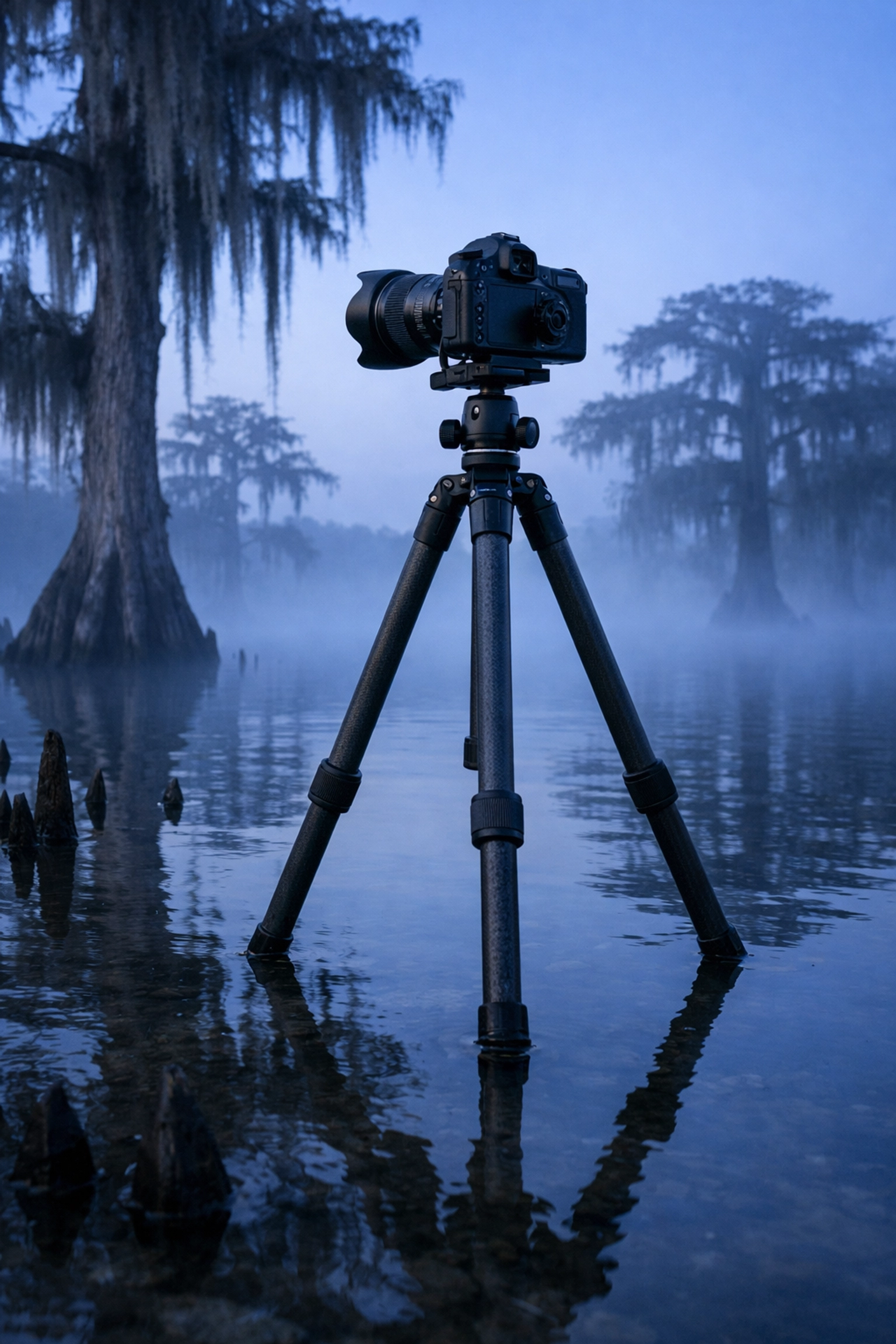
Use a tripod, period. Not just for night shots, but for every fine art landscape you compose. This allows you to use lower ISO settings (reducing noise) and smaller apertures (increasing depth of field) without worrying about camera shake. When you’re aiming for that "smooth as butter" water effect or a crisp mountain range, a tripod is your best friend. For those looking to master these technical skills in the field, our photography workshops offer hands-on training to get your technique flawless.
3. Letting Glare and Reflections Kill the Mood
Nothing ruins a potentially dreamy photography editing session like a massive, unwanted reflection right in the middle of your focal point. Whether you’re photographing artwork behind glass or a lake with a distracting sun glare, reflections pull the viewer out of the "dream" and remind them they’re looking at a piece of glass or a technical error.
The Fix:
If you’re indoors, avoid using an on-camera flash at all costs. It creates "hot spots" that are nearly impossible to fix in post-processing. Instead, use two lights positioned at 45-degree angles to the subject to provide even, glare-free illumination. Outdoors, use a circular polarizer to cut through reflections on water or foliage. This simple tool will make your colors pop and your images feel much more professional.
4. Trusting Your Camera’s "Average" Exposure
Your camera is smart, but it’s also a bit of a conformist. Most automatic exposure systems are designed to make everything look like a "middle-range" gray. If you’re shooting a bright, snowy scene for an ethereal photography project, your camera will try to turn that white snow into a dull gray. Conversely, if you’re shooting a dark, moody forest, the camera will try to brighten it up, killing the atmosphere.
The Fix:
Take control. Switch to manual mode and learn to read your histogram. In fine art, you often want to "expose to the right" (ETR) to capture as much detail as possible in the shadows without blowing out the highlights. This gives you the most flexibility when you get into dreamy photography editing.
| Feature | Automatic Exposure | Manual (Fine Art) Exposure |
|---|---|---|
| Goal | Average out tones to 18% gray | Preserve highlights and shadow intent |
| Result | Dull whites, washed-out blacks | Vibrant whites, deep, rich blacks |
| Control | The camera decides the mood | You decide the emotional impact |
| Post-Processing | Limited recovery options | Maximum dynamic range for editing |
5. Over-Editing vs. Dreamy Photography Editing
There is a very thin line between a photo that looks "ethereal" and one that looks like a neon nightmare. Many photographers think that "fine art" means cranking the saturation and clarity sliders to +100. In reality, the most successful fine art pieces are often those with a subtle, sophisticated touch.
The Fix:
Focus on dreamy photography editing techniques that enhance the mood rather than distorting reality. This involves softening the highlights, using selective color grading to create a cohesive palette, and maybe adding a slight "Orton Effect" to give the image a glow. If you want to achieve this look consistently without the headache, I highly recommend using the Ultimate Lightroom Preset Collection. It’s designed to give you that high-end, gallery-ready finish with just a few clicks.
6. Poor Lighting Balance
Uneven lighting is a silent killer. When one side of your subject is blasted with light and the other is lost in murky shadows (and not in a cool, intentional "Chiaroscuro" way), the image feels unbalanced. This often happens when you shoot in direct midday sun or use a single light source without a reflector.
The Fix:
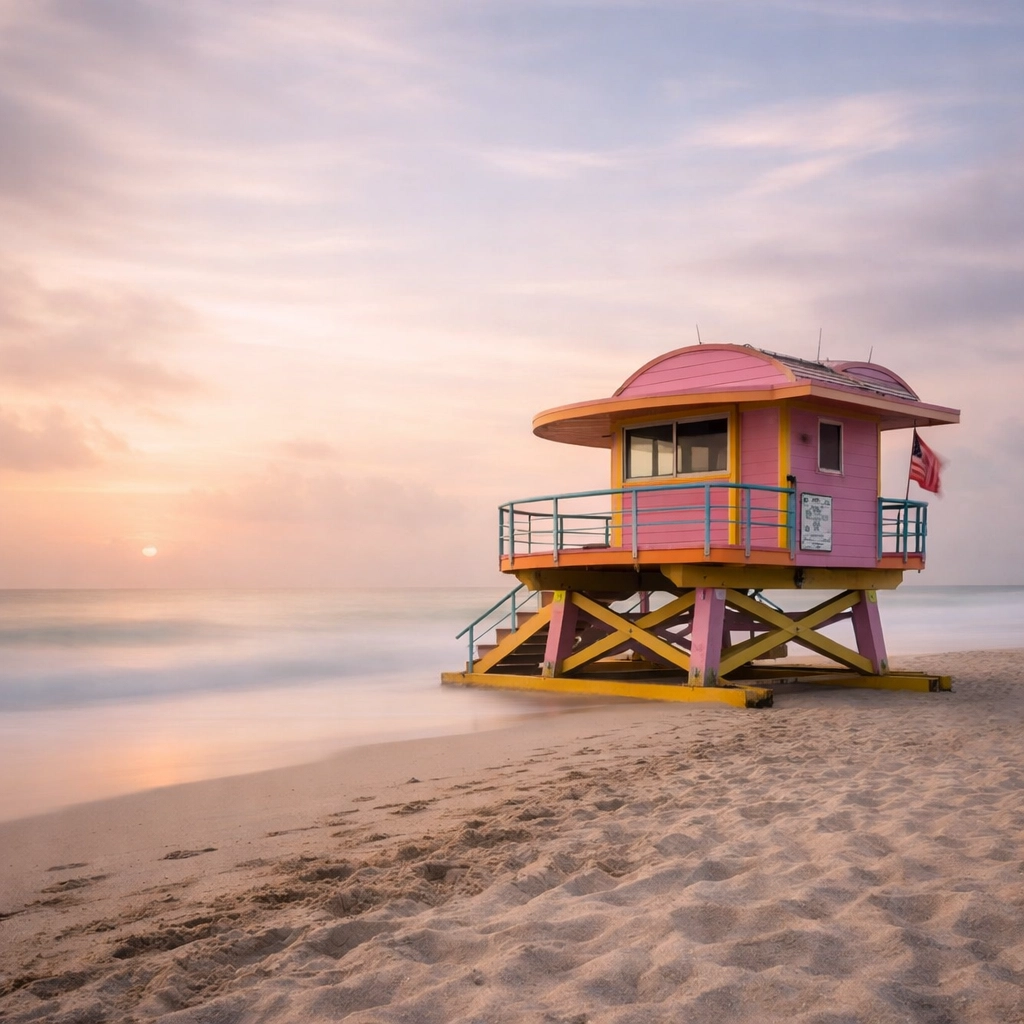
Look for "soft" light. For outdoor fine art photography, this means shooting during the golden hour or on overcast days when the clouds act as a giant softbox. If you’re working with light in a studio or home setting, use reflectors to bounce light back into the shadows. You want the light to wrap around your subject like a warm blanket, not hit it like a flashlight. For more tips on finding the perfect light, you can browse through our photography courses.
7. Cluttering the Composition
One of the biggest mistakes you can make is trying to say too much in one image. When you include every tree, every rock, and every cloud, the viewer doesn't know where to look. Fine art is about a singular vision. If your composition is cluttered, your message is lost.
The Fix:
Practice the "art of subtraction." Before you press the shutter, ask yourself: "Does this element add to the story?" If the answer is no, move your feet, change your focal length, or wait for the light to hide the distraction. Minimalism is often the key to ethereal photography. By simplifying your frame, you allow the viewer to breathe and fully engage with the beauty of the subject.
Elevate Your Vision
Creating fine art is a journey of refinement. It’s about moving past the technical hurdles so your creativity can truly shine. By fixing these seven common mistakes, you’re not just improving your "stats": you’re elevating your voice as an artist.
Remember, the gear is just a tool. Whether you are using the latest mirrorless camera or an old film rig, the soul of the image comes from your eye and your heart. If you’re ready to take the next step and turn your passion into a business, we have resources on how to create a photography business and even how to start a photography blog to share your work with the world.
For more insights on how to elevate your work, explore our site for a deep dive into hundreds of tutorials and guides at blog.edinchavez.com. You can also see how these techniques look in practice by visiting edinstudios.com to see our latest projects.
Don't let these mistakes hold you back any longer. Get out there, keep shooting, and turn your vision into something extraordinary.


