
As you step into the world of professional imagery, you quickly realize that there is a massive gulf between taking a great photo and creating a piece of art. Many photographers can capture a sharp, well-exposed image of a sunset, but only a few can transform that scene into a narrative that stops a viewer in their tracks. This is the essence of fine art photography. It isn’t just about what you see; it’s about how you feel and the specific message you want to convey to the world.
Whether you are just starting out or looking to refine your portfolio, mastering this craft requires a blend of technical precision and uninhibited creativity. You aren’t just a documentarian; you are an artist using a camera as your brush. By following these five steps, you will elevate your work from simple snapshots to gallery-worthy masterpieces that define your unique brand.
1. Start with a Deep Conceptual Foundation
Before you ever touch your shutter button, you need to understand the "why" behind your work. Just as a painter spends hours sketching before the first drop of oil hits the canvas, your journey in fine art photography begins with a concept. You need to brainstorm topics that are personally meaningful to you. What keeps you up at night? What stories do you feel are left untold?
When you approach a subject with a clear intention, your images gain a layer of depth that casual photography lacks. You are no longer just capturing a building or a person; you are exploring themes like solitude, chaos, or rebirth. To get started, sit down with a notebook and write out five emotions you want your audience to feel. Use these as your North Star during your next shoot. This intentionality is what separates the hobbyist from the fine artist. You can find more inspiration on how to structure your creative process at Edin Chavez Photography.
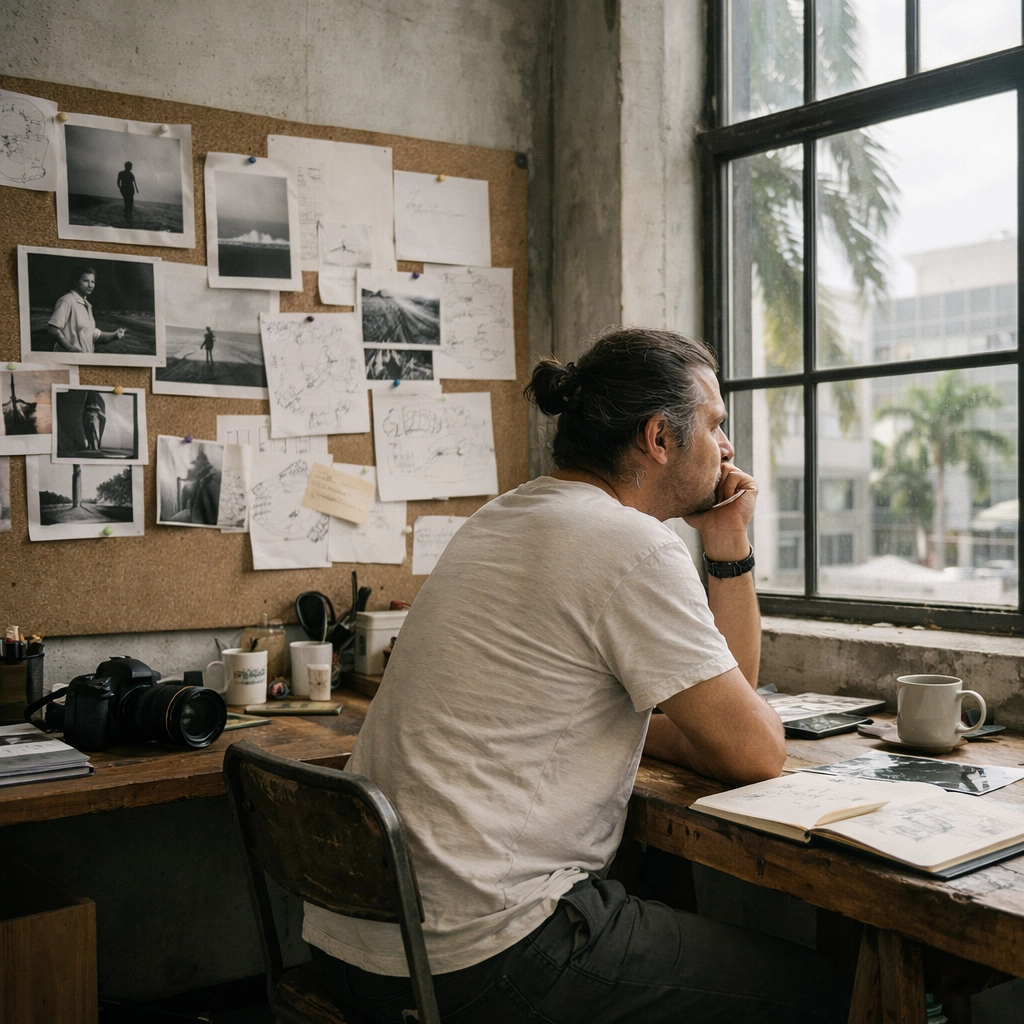
2. Master Your Technical Tools to Execute Your Vision
Your camera settings are the language you use to speak to your audience. To create ethereal photography, you must move beyond "Auto" mode and take full control of your exposure triangle. Understanding how aperture, shutter speed, and ISO interact allows you to manipulate reality to fit your artistic vision.
If you want to achieve that soft, glowing look common in fine art photography, you might experiment with a wide aperture (low f-stop) to create a shallow depth of field. This blurs the background into a creamy bokeh, making your subject appear as if they are floating in a dream. Conversely, playing with long shutter speeds can turn crashing waves into a misty, cloud-like floor. Practice photographing the same subject 100 times using different settings. This isn't just a drill; it's how you learn the limits of your gear so that when inspiration strikes, your technical skills are second nature.
| Feature | Snapshot Approach | Fine Art Approach |
|---|---|---|
| Aperture | Set for maximum sharpness | Set for emotional impact and "dreamy" depth |
| Shutter Speed | Freezes action clearly | Used to imply motion or create ethereal textures |
| Focus | Always on the subject's eye | Can be soft or "missed" to create a sense of mystery |
| Lighting | Needs to be bright and clear | Can be high-contrast or purposefully underexposed |
3. Study Composition and Perspective Through an Artistic Lens
Mastering composition is about more than just the Rule of Thirds. In fine art photography, you are encouraged to learn the rules specifically so you can break them with purpose. You should look at your frame as a balanced ecosystem where every element: shadow, light, line, and texture: serves a function.
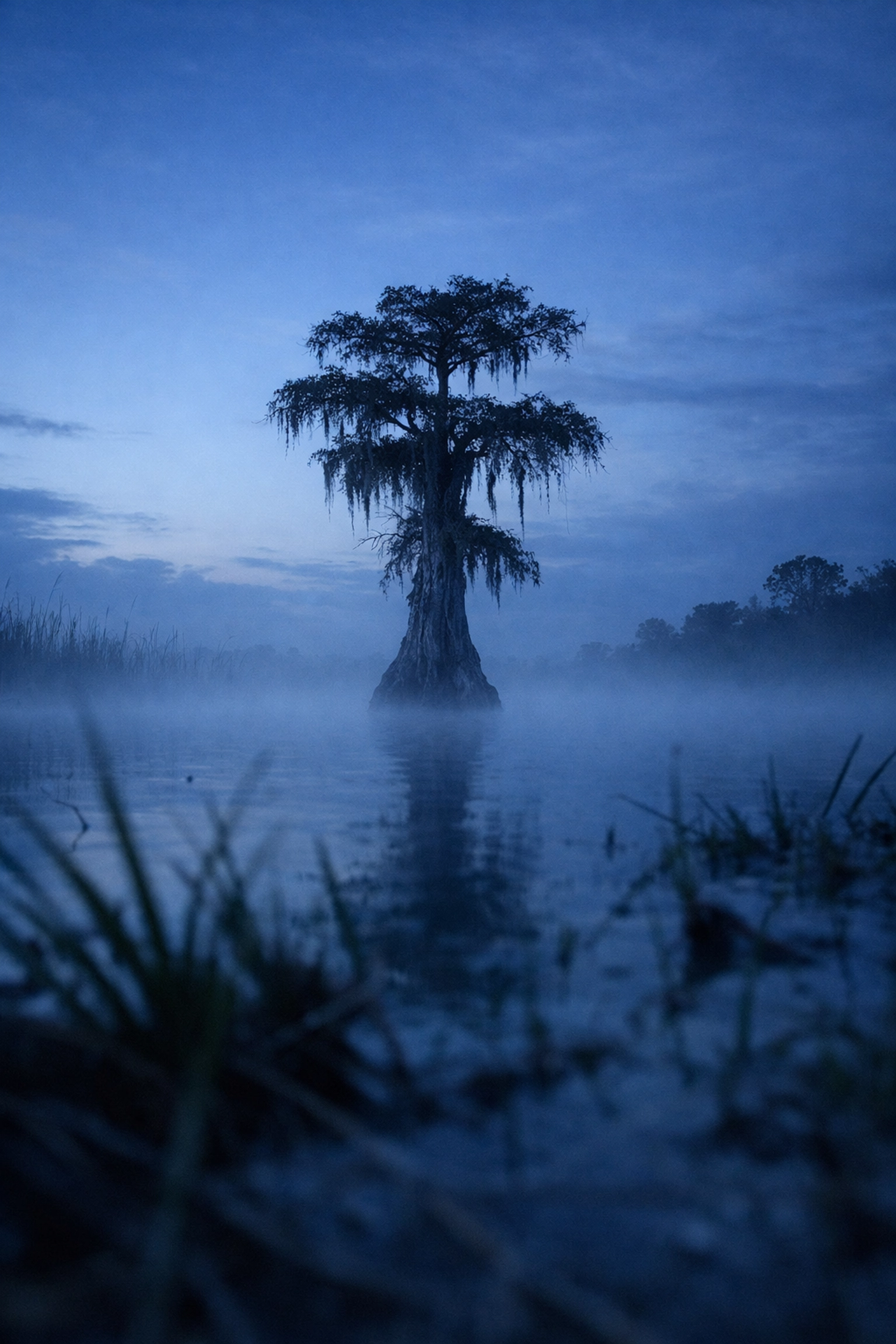
To capture truly ethereal photography, you need to change your perspective. Don't just stand at eye level. Get low, shoot through foliage to create natural frames, or use a "freelens" technique to introduce light leaks and organic blurs. Light is your most important tool. Look for the "Golden Hour" or "Blue Hour" to provide that soft, diffused glow that makes a scene feel otherworldly. If you are shooting in a vibrant location like Florida, check out my Miami self-driving photography guide to find spots where the light hits just right for fine art compositions. If you prefer a guided experience, you might even consider a private Miami photography tour to see these spots through an expert's eyes.
4. Elevate Your Work with Dreamy Photography Editing
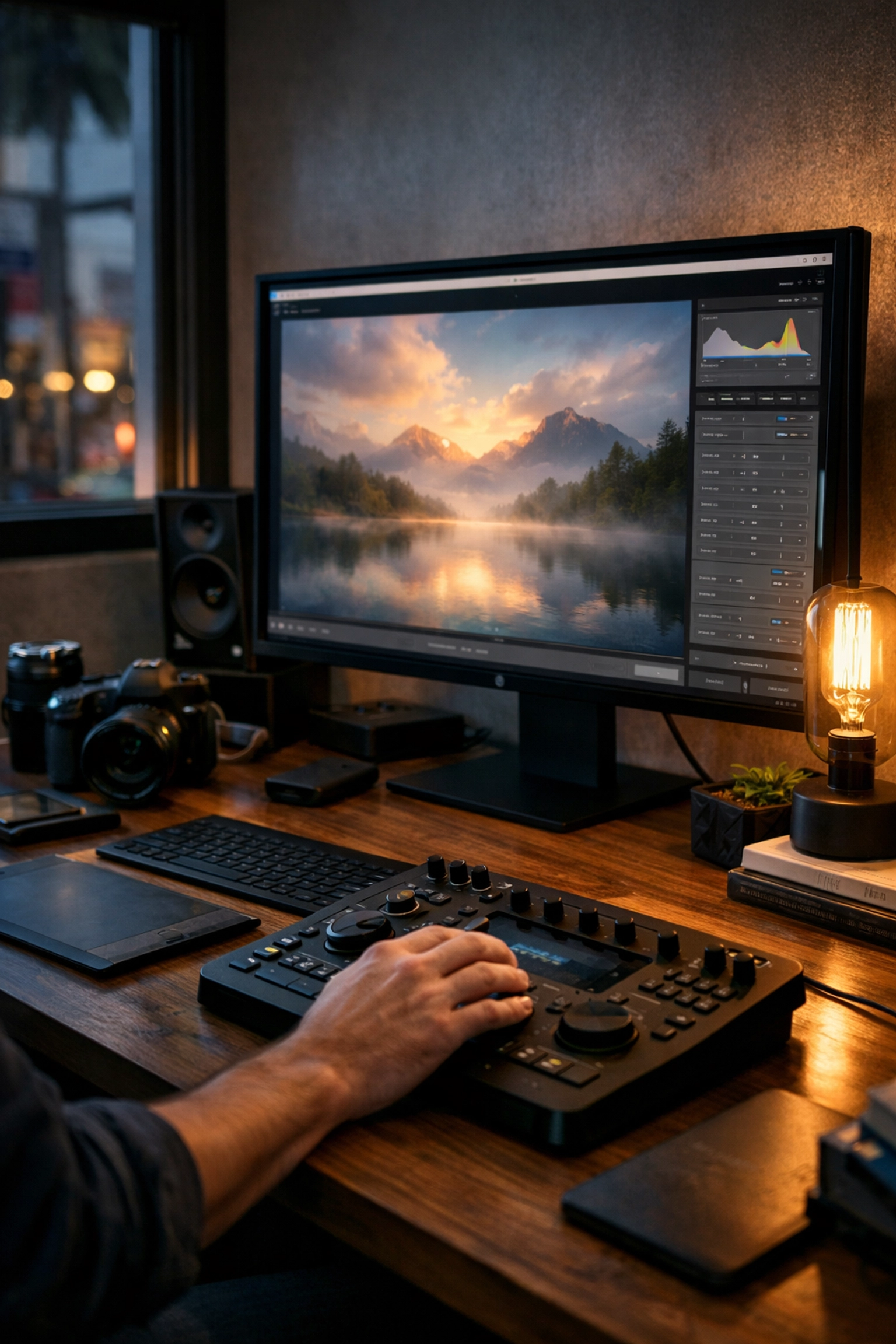
The magic of fine art photography often happens in the "darkroom" of the digital age. Post-processing is where you polish your raw files into finished art. This is where dreamy photography editing techniques come into play. You aren't just correcting colors; you are grading the image to evoke a specific mood.
To achieve an ethereal look, you might reduce the clarity and texture in specific areas of the image to soften the skin or the landscape. Adding a subtle "Orton Effect": a technique that overlays a blurred version of the image onto the sharp one: can give your work a painterly glow that feels timeless. Consistency in your editing is the secret sauce to a signature style. To help you get that professional, high-end look instantly, I recommend using the Ultimate Lightroom Preset Collection. These presets are designed to streamline your workflow and give your portfolio a cohesive, sophisticated feel that attracts collectors and galleries.
5. Build a Cohesive Portfolio and Your Signature Style
Your signature style isn't something you find; it's something you grow through deliberate practice. As you apply consistent techniques across your body of work, a pattern will begin to emerge. Whether it's a specific color palette, a recurring theme, or a unique way of using light, this "visual thumbprint" is what makes your work recognizable.
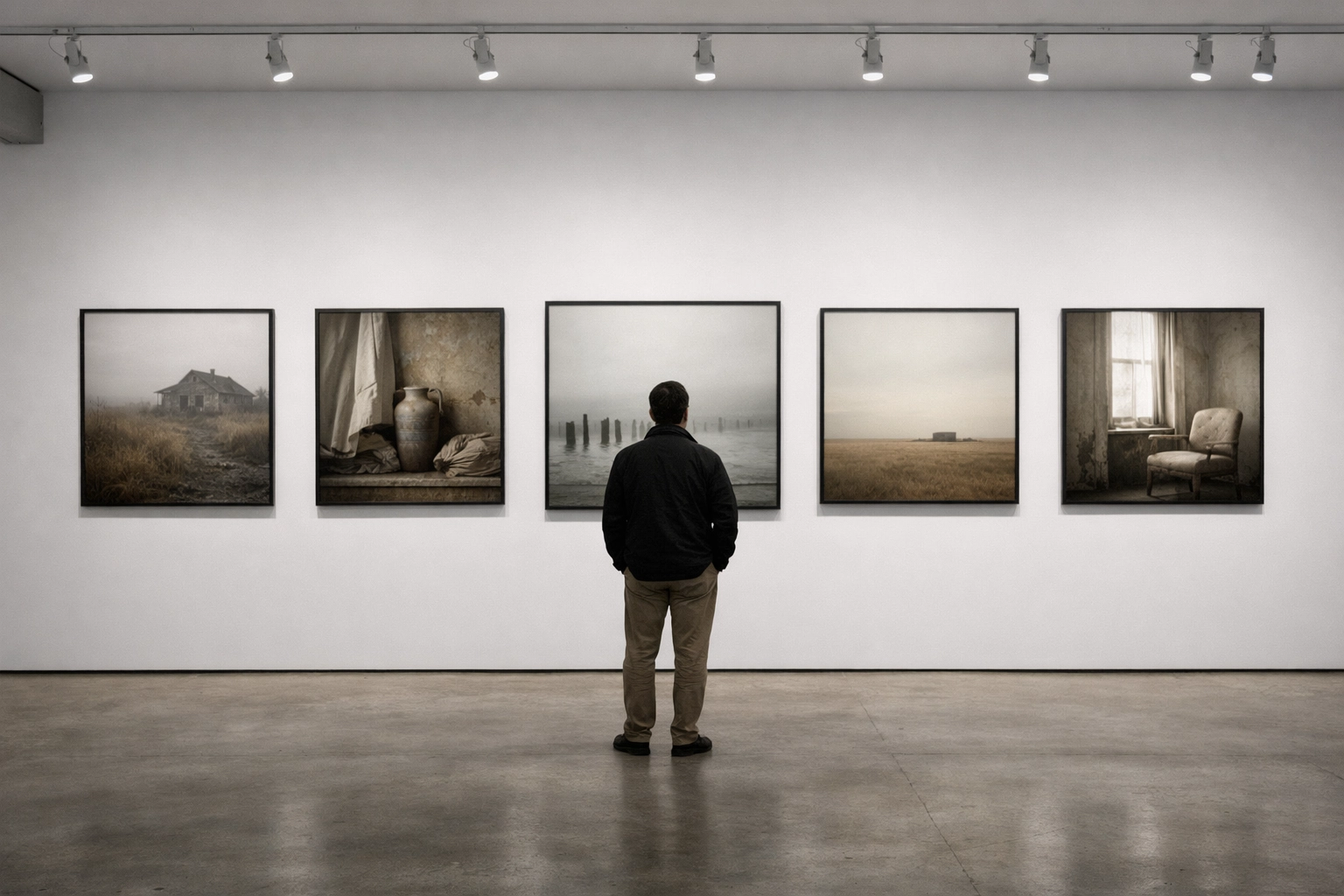
Study the masters by visiting galleries or investing in high-quality art books. Look at how they curate their collections: the photos aren't just individual wins; they work together to tell a larger story. When you are ready to showcase your work, ensure your presentation is as professional as your process. You can see examples of a curated, cohesive body of work at Edin Fine Art. Building a signature style takes time, so don't rush it. Take creative breaks when you feel stuck, and always return to the core concepts that made you fall in love with photography in the first place.
Final Thoughts on Your Artistic Journey
Mastering fine art photography is a lifelong pursuit, but it is one of the most rewarding paths you can take as a creator. By moving from a technical mindset to a conceptual one, mastering your gear, and refining your dreamy photography editing, you empower yourself to create work that truly resonates.
Remember, your vision is unparalleled. Don't be afraid to experiment with ethereal photography techniques that might seem "wrong" to a traditionalist. If it feels right to your soul, it belongs in your portfolio. For more tips on technical skills and location-specific guides: like the New York City photography guide if you're heading to the Big Apple: keep exploring Edin Studios. Your journey to becoming a fine art master starts with the very next frame you compose. Stay inspired, keep shooting, and let your signature style shine.


