
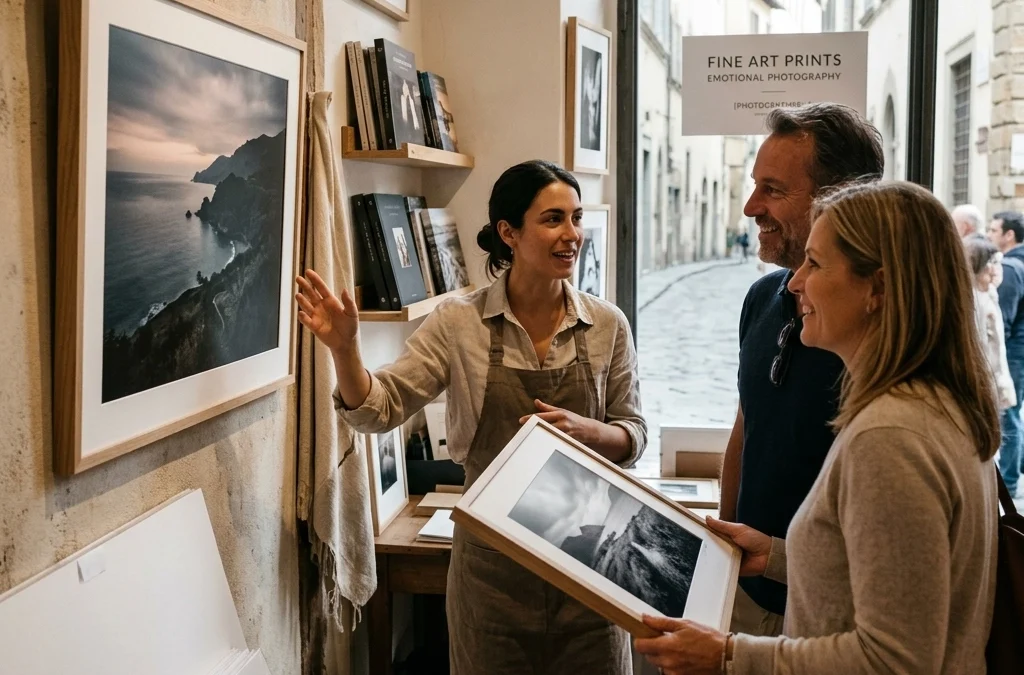
Just as a master chef knows that a meal is about more than just calories, you know that a photograph is about more than just pixels. In the world of fine art photography, the difference between a snapshot that gets scrolled past and a piece that ends up as a centerpiece in someone’s home is one thing: emotional storytelling.
When you create art that makes people feel something, you aren’t just selling a piece of paper; you’re selling an experience, a memory, or a dream. If you want to move your work from your hard drive to a collector's wall, you need to master the bridge between technical skill and emotional resonance. This guide will show you exactly how to do that, ensuring your work commands the attention it deserves at Edin Fine Art.
1. Prioritize Raw Emotion Over Technical Perfection
It is easy to get caught up in the "gear trap." You might think you need the sharpest lens or the highest dynamic range to be successful. While quality matters, technical perfection is often the enemy of soul. Many of the most iconic images in history are grainy, slightly out of focus, or "imperfectly" framed, yet they endure because they capture a raw, human moment.
When you are behind the lens, you must prioritize the feeling of the scene. Are you capturing the quiet solitude of a misty morning in the Everglades? Or the vibrant, chaotic energy of a Miami street? Focus on authentic expressions and the "mood" of the atmosphere. If you’re shooting subjects, stop worrying about "the pose" and start looking for "the moment." Genuine laughter, a contemplative stare, or even a sense of lonely vastness in a landscape will connect with your audience far deeper than a mathematically perfect composition.
By focusing on the "why" before the "how," you ensure your work has the heartbeat necessary to become a sought-after piece of art.
2. Master Light and Color as Your Narrative Voice
Light and color are the "vocabulary" of your visual story. If you want to sell fine art photography, you must understand how these elements manipulate the viewer's psychology.
- Warm Tones: Think of the golden hour in Miami. The oranges and yellows evoke nostalgia, comfort, and hope. If you’re shooting for a Miami Self-Driving Photography Guide, you’ll notice how the evening glow transforms the city into a dreamscape.
- Cool Tones: Deep blues and greens can suggest melancholy, tranquility, or mystery.
- High Contrast: Hard shadows and bright highlights create tension and drama, perfect for architectural pieces or moody street photography.
To maintain a consistent emotional "voice" throughout your work, your post-processing needs to be intentional. This is where your digital darkroom skills come into play. Using the Ultimate Lightroom Preset Collection allows you to streamline your workflow while keeping that signature emotional "look" across your entire portfolio. It’s like having a custom film stock that tells your specific story every time.
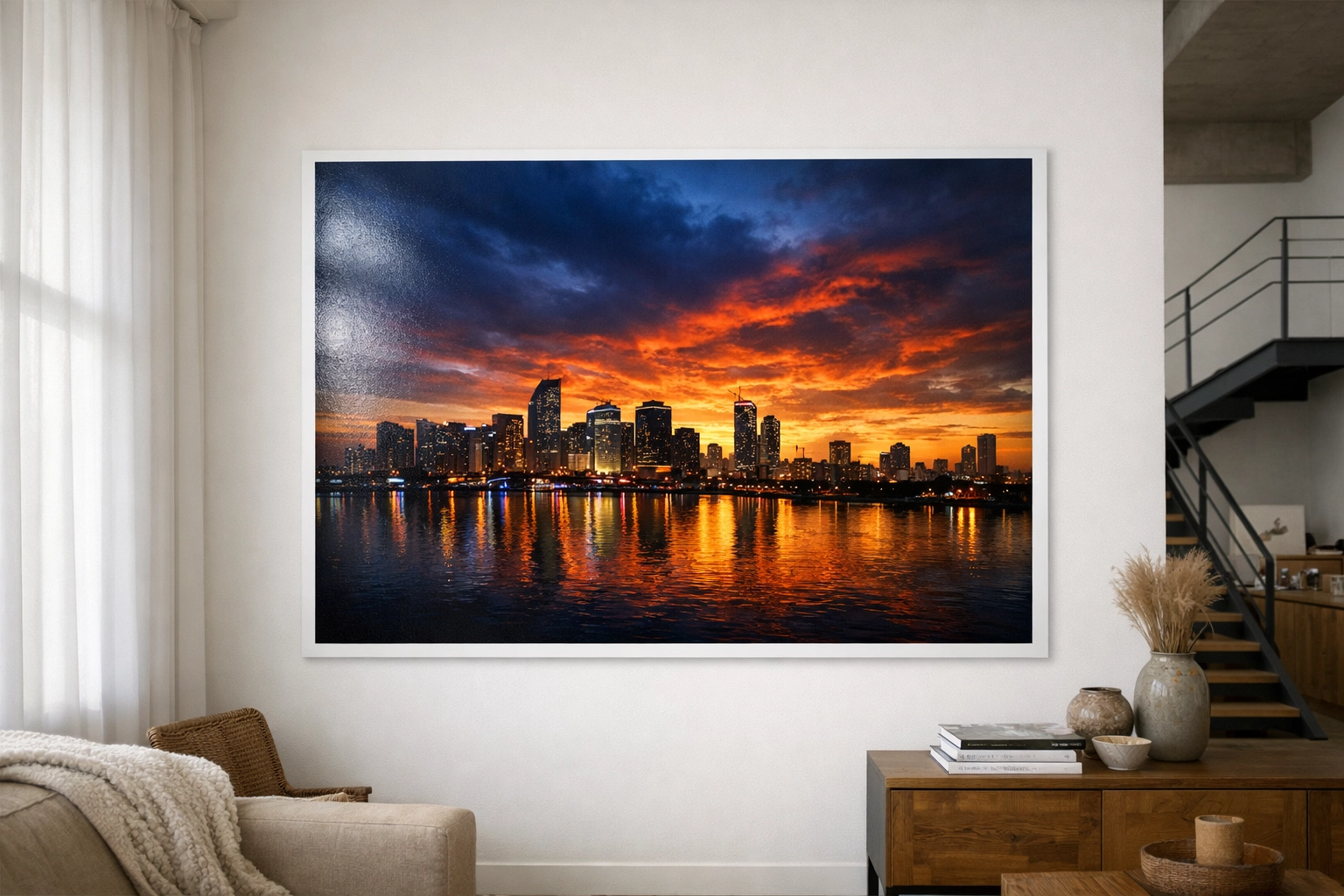
Alt Text: A stunning fine art photography print of a Miami sunset, featuring vibrant oranges and deep blues, illustrating the power of color in emotional storytelling.
3. Infuse Your Work with Personal Perspective
The world doesn’t need another generic photo of a sunset; the world needs your version of that sunset. Your unique perspective is what makes your work "fine art." When you lean into your personal experiences and vulnerabilities, you invite the viewer to do the same.
Are you drawn to the rugged isolation of the wilderness? Your prints should reflect that. Do you find beauty in the decaying architecture of an old city? Lean into it. When you share the story behind the image: the struggle to get the shot, the way the air felt, or why that specific location moved you: you build a bridge of trust with your collector.
This personal touch is what transforms a casual browser into a dedicated fan of Edin Studios. People don't just buy the print; they buy the artist's vision.
| Feature | Snapshot Approach | Fine Art Photography Approach |
|---|---|---|
| Objective | Record a scene as it looks | Express a scene as it feels |
| Focus | Subject matter (The "What") | Narrative and Mood (The "Why") |
| Technical | Standard "correct" settings | Intentional use of light/blur/color |
| Market Value | Low (Social media likes) | High (Museum quality archival prints) |
| Longevity | Forgotten in 24 hours | Generations of display |
4. Craft Intentional Visual Narratives
Before you even press the shutter, you should have a "script" in your head. Ask yourself: "What is the journey I want the viewer's eye to take?"
Using leading lines can draw a viewer into a "path" of discovery. For instance, in the vast wetlands of Florida, using a boardwalk as a leading line can symbolize a journey into the unknown. If you're exploring these areas, check out the Everglades Photography Guide to find those perfect spots where the landscape tells the story for you.
Intentionality also means knowing when to leave things out. Negative space is a powerful tool for storytelling; it creates room for the viewer to breathe and think. A lone tree in a vast field tells a story of resilience and independence. A crowded street with one person in focus tells a story of urban isolation.
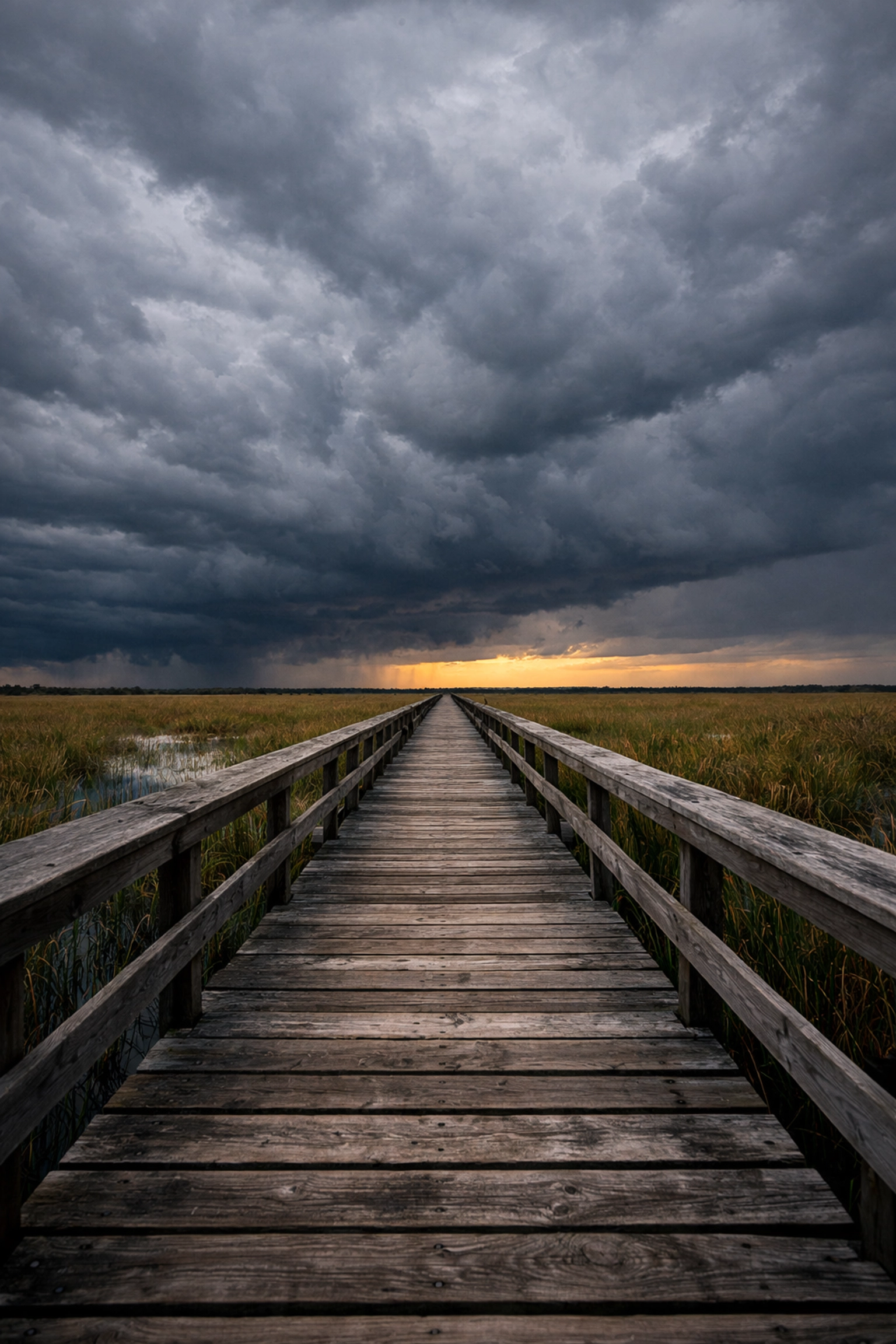
Alt Text: A wide-angle fine art photograph of the Florida Everglades, using leading lines to guide the eye toward a dramatic storm on the horizon, emphasizing archival print quality.
5. Engage Your Audience with Open-Ended Themes
The best art doesn't give all the answers; it asks questions. By creating images that are somewhat open-ended, you allow the viewer to project their own life experiences onto your work. This "shared dialogue" is the secret sauce to selling high-end prints.
When a collector looks at your work and says, "That reminds me of my childhood," or "That makes me feel at peace," you’ve made a sale. You aren't just a photographer; you're a facilitator of their own emotions.
To ensure these emotions last a lifetime, you must provide the highest physical quality. Selling archival prints means your collectors are getting museum quality products that won't fade or yellow. When someone invests in a piece from Edin Fine Art, they are investing in a legacy.
The Technical Bridge to Emotional Sales
While we talk a lot about "feelings," the technical backend is what enables those feelings to be captured and preserved. Your editing process shouldn't be about "fixing" a photo, but about "enhancing" the story. Using tools like the Ultimate Lightroom Preset Collection ensures that your technical execution matches your artistic ambition.
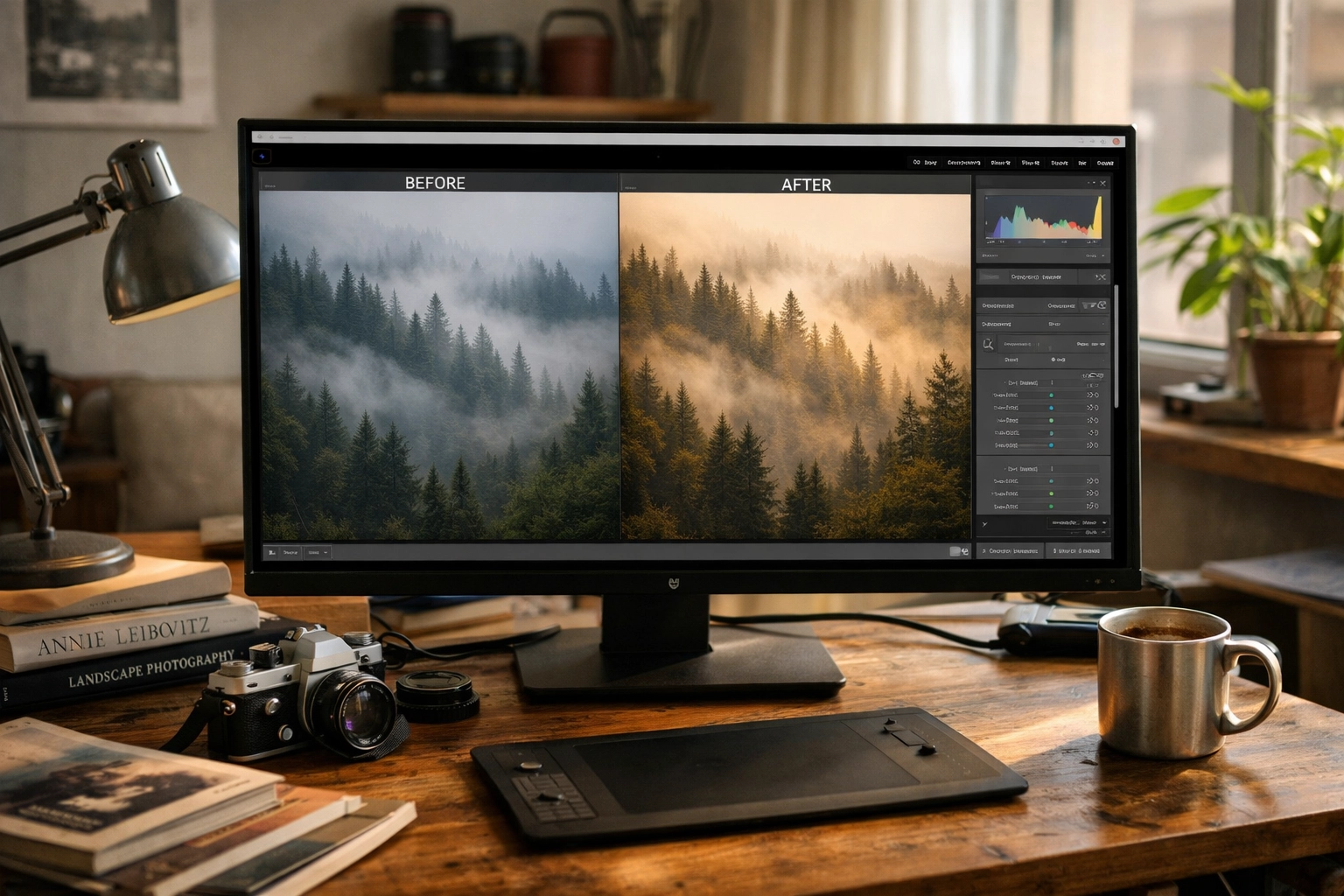
Alt Text: A photographer's workspace showing a high-resolution monitor with a fine art landscape being edited using specialized Lightroom presets to enhance mood and texture.
Why Print Quality Matters for Storytelling
You’ve done the hard work. You’ve woken up at 4 AM, hiked through the mud, and spent hours perfecting the edit. Don't let that story die on a cheap piece of paper. The physical texture of an archival print adds a tactile layer to the storytelling.
A matte finish might suggest a soft, painterly dream, while a high-gloss metallic finish might make a Miami skyline pop with modern energy. When you offer museum quality prints, you are telling the customer that their emotional connection to the image is valuable and worth protecting for decades.
How to Present Your Stories to Sell
- Write "Story" Captions: Instead of "Sunset in Miami," try "The moment the city breathes: capturing the transition from day to night at the edge of the Atlantic."
- Show the Scale: Use room mockups to show how your fine art photography transforms a living space.
- Highlight the Craft: Mention the archival prints and the specific paper types you use. Collectors love the details of the craft.
- Offer Personalized Tours: If you are in the area, offering a Private Miami Photography Tour is a great way to show people exactly how you find these stories in the wild.
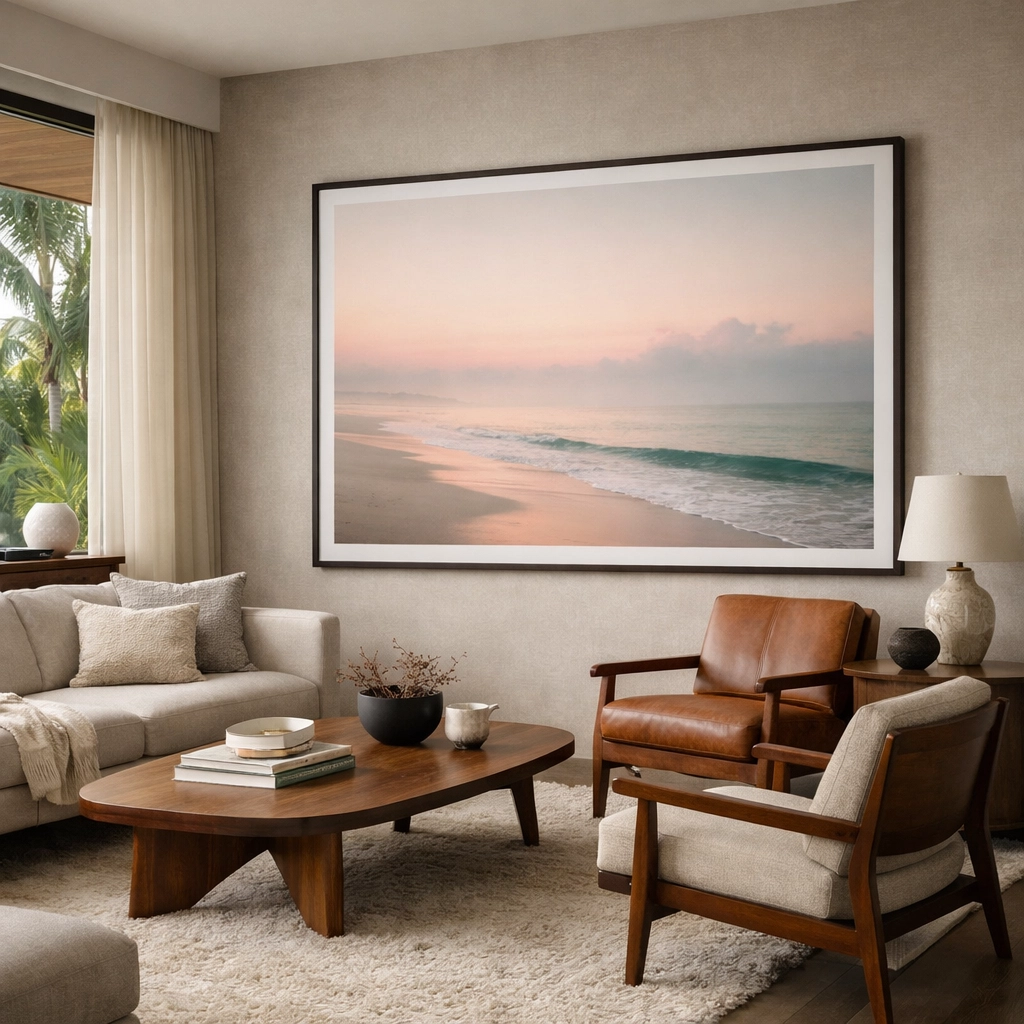
Alt Text: A luxury modern living room featuring a large, framed fine art photography print of a serene beach scene, demonstrating the impact of museum quality art.
By integrating these five steps, you move from being a person with a camera to an artist with a vision. You empower your audience to see the world through your eyes, and in doing so, you create art that is truly "fine."
Hence, with these considerations, your journey into the world of fine art sales becomes less about "selling" and more about "sharing." Your collectors aren't just buying paper; they are buying a piece of your soul, captured in a moment of time.
For more insights on how to elevate your work, explore our site for a deep dive into hundreds of tutorials and guides. Whether you are looking for the latest gear reviews or deep dives into the philosophy of art, we are here to help you navigate your creative career with confidence and flair. Keep shooting, keep telling your stories, and never settle for anything less than extraordinary.


